

Panaji, Mar 10: Tourism Minister, Shri Rohan A. Khaunte informed the State Legislative Assembly today that the Department of Tourism has prepared a roadmap to expand eco-tourism in Goa based on suggestions from relevant stakeholders. He also announced that there are plans to formulate an eco-tourism policy in collaboration with the Forest Department.
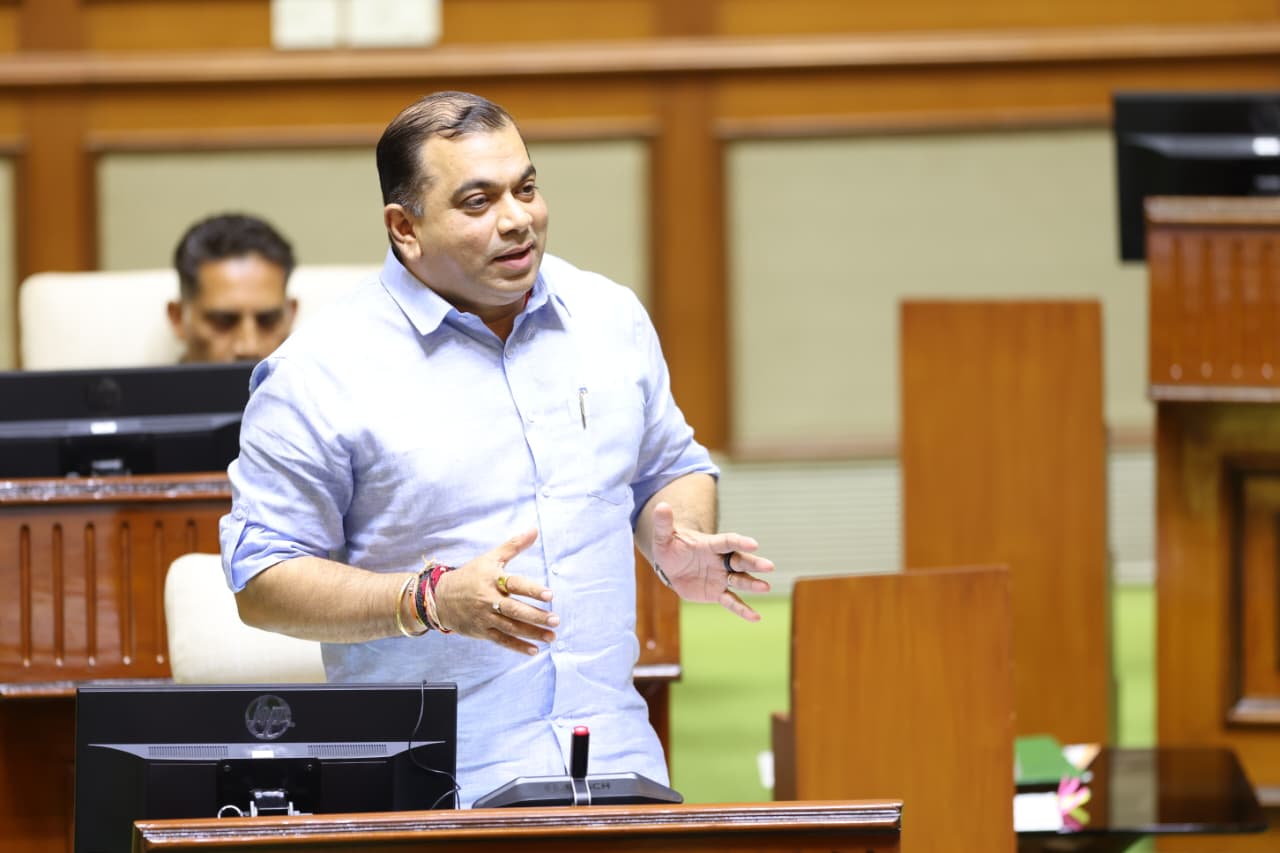
Responding to a question raised by MLA Aleixo Reginaldo Lourenco during Question Hour in the Assembly regarding eco-tourism. During the discussion on the main question, Lourenco asked a supplementary query on whether specific areas had been identified for eco-tourism and what plans were being considered for waste management. While elaborating further, Khaunte stated that the expansion of eco-tourism aims to promote responsible tourism in rural areas while ensuring environmental conservation and creating livelihood opportunities for local communities.
He further informed that after the government came to power in 2022 under the leadership of Chief Minister Pramod Sawant, efforts were made to provide visitors with an opportunity to experience Goa beyond the sea. As part of this initiative, eco-tourism, yoga and wellness tourism, spiritual tourism, and village tourism have been opened up to visitors. The Minister stated that Goa has consciously shifted its tourism narrative through the ‘Goa Beyond Beaches’ initiative, placing a strong emphasis on eco-tourism and nature-based experiences in the State’s hinterland. Goa is home to several natural destinations renowned for eco-tourism including iconic locations such as Dudhsagar Falls, which is the third tallest waterfall in the country and received 236,000 visitors last year. Apart from Dudhsagar, the State also boasts a number of lesser-known but scenic destinations such as Cotigao Wildlife Sanctuary, Kuskem Waterfall, Tambdi Surla, Bondla Wildlife Sanctuary, Mainapi, Bhoma, Charavane and waterfalls in other regions across Goa’s hinterland are among the state’s natural treasures. If visitor movement increases towards these areas, it will help ensure balanced development of rural parts of the State.
The Minister informed that the Goa Tourism Development Corporation (GTDC) organises monsoon trekking experiences every year, encouraging visitors to explore Goa’s waterfalls and forest trails during the monsoon season. With the objective of streamlining, regularising and enhancing the overall visitor experience, GTDC has appointed an operator for conducting monsoon trek trails at Dudhsagar Waterfall. The service provider has introduced activities such as jeep safaris, walking treks and monsoon trekking trails in hinterland areas, encouraging tourists to explore Goa beyond its beaches.
Highlighting the importance of community participation, the Minister noted that Goa Tourism is actively working with local stakeholders and private operators to curate unique experiences that go beyond conventional sightseeing. These include wildlife and birding experiences, bioluminescence trails, heritage walks, island nature trails, adventure activities and educational workshops that allow visitors to engage meaningfully with Goa’s biodiversity, heritage and culture.
He further stated that the Department of Tourism has signed Memorandums of Understanding with organisations and local operators who specialise in such experiences, thereby promoting tourism that is both educational and sustainable. These initiatives also ensure that economic benefits from tourism reach villages and hinterland communities. The Minister emphasised that eco-tourism must be promoted in a balanced and responsible manner to avoid over-tourism in sensitive areas. In this regard, the Department is exploring coordination with other departments to ensure proper planning and management of eco-tourism destinations.
He also highlighted the role of the homestay and bed-and-breakfast scheme, enabling visitors to experience Goa’s village life, local cuisine and traditions while generating livelihood opportunities for rural families, particularly women. Such initiatives help channel tourism benefits directly to the community and strengthen the hinterland economy.
The Minister added that tourism, being a key industry for the State, requires collective responsibility from all stakeholders including communities, local bodies and authorities to address issues such as waste management, stray animals and overall destination upkeep.
