

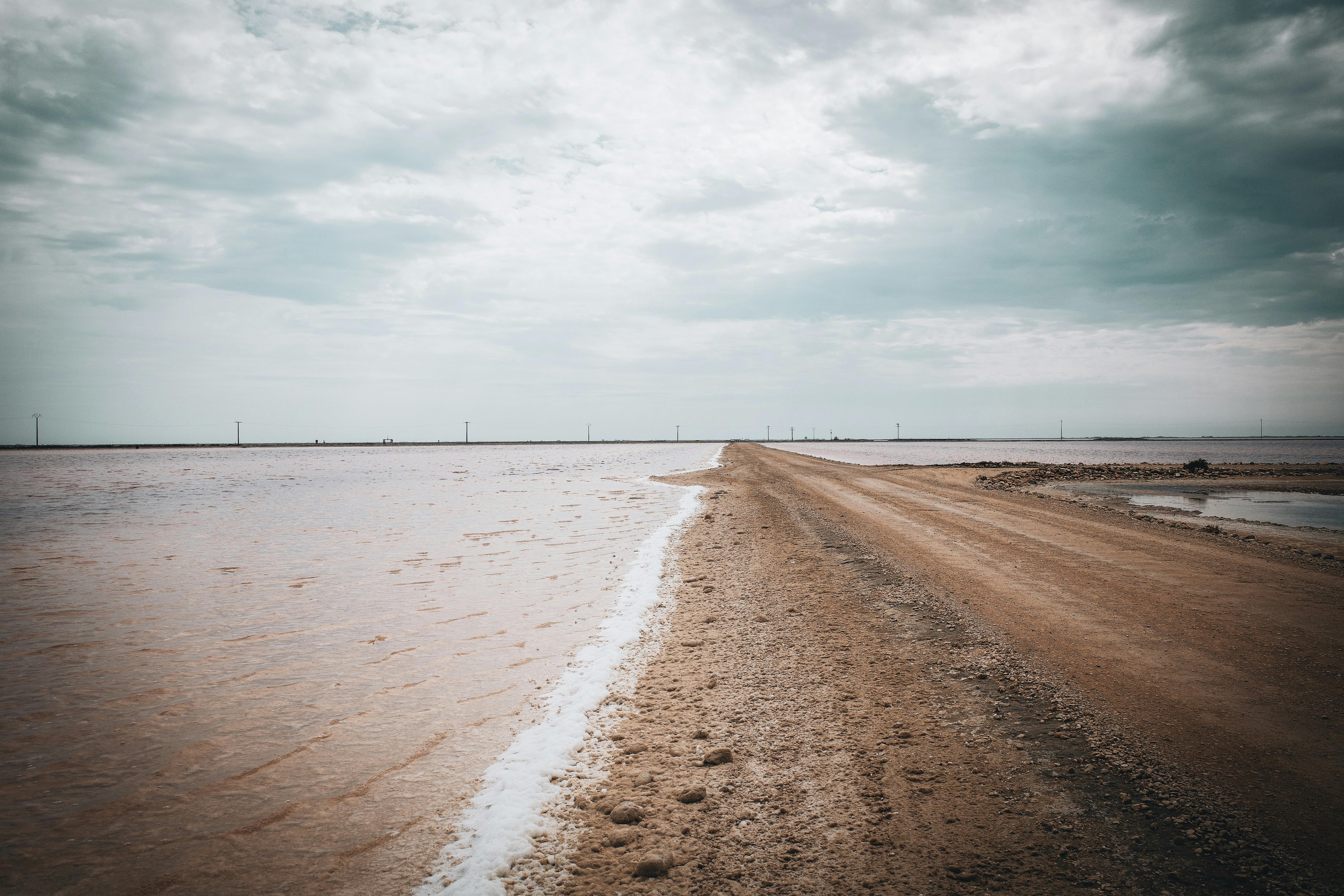
As domestic tourism continues to grow, Indian travellers are increasingly exploring destinations that offer distinctive landscapes and cultural experiences. One such destination gaining strong attention is the breathtaking Rann of Kutch, a vast salt desert located in the western state of Gujarat.
Known for its endless white salt plains, vibrant cultural festivals, and unique desert landscape, the Rann of Kutch has become one of India’s most fascinating travel destinations. Over the past few years, improved tourism infrastructure and experiential travel trends have helped transform the region into a major attraction for domestic and international visitors.
For travellers seeking something beyond conventional hill stations and beach holidays, the Rann of Kutch offers a rare and unforgettable experience.
The Mesmerizing White Desert
The main highlight of the region is the Great Rann, an expansive salt marsh that stretches across thousands of square kilometres. During the winter months, the desert transforms into a dazzling white landscape as the salt crust reflects sunlight and moonlight, creating an almost surreal visual experience.
Visitors often describe walking across the white desert during a full moon night as one of the most magical travel experiences in India. The vast open landscape, combined with the peaceful silence of the desert, creates a unique atmosphere rarely found elsewhere.
This extraordinary natural setting has become a major draw for photographers, adventure travellers, and nature enthusiasts.
The Cultural Extravaganza of Rann Utsav
Tourism in the region reaches its peak during the annual Rann Utsav, a cultural festival organized near the desert.
Held every winter, the festival celebrates the vibrant heritage of Gujarat through music, dance, handicrafts, and local cuisine. Visitors can stay in luxury tent accommodations and experience traditional performances, craft markets, camel rides, and desert safaris.
The festival has played a significant role in boosting tourism in the region, attracting travellers from across India and around the world.
Exploring Local Culture and Craft Villages
The region surrounding the Rann is home to several traditional artisan communities known for their intricate handicrafts.
Villages like Hodka Village offer visitors a chance to witness local craftsmanship including embroidery, leatherwork, weaving, and pottery.
These cultural interactions provide travellers with a deeper understanding of local traditions while supporting rural livelihoods. The rise of community-based tourism has helped preserve these crafts and create sustainable economic opportunities.
Wildlife and Natural Attractions
Beyond the salt desert, the Kutch region also offers unique wildlife experiences.
Nature lovers often visit the Indian Wild Ass Sanctuary, home to the rare Indian wild ass as well as numerous migratory birds.
Another fascinating attraction is Kalo Dungar, the highest point in Kutch, which provides panoramic views of the white desert landscape.
These natural attractions add variety to the travel experience and appeal to wildlife photographers and eco-tourists.
Growing Tourism Infrastructure
Over the past decade, tourism infrastructure in the region has expanded significantly. Boutique desert resorts, tent accommodations, and eco-friendly lodges now cater to a wide range of travellers.
Improved road connectivity from major cities such as Ahmedabad and Bhuj has made the destination more accessible.
Government initiatives promoting cultural tourism have also helped position the Rann of Kutch as one of India’s most distinctive tourism destinations.
Why Travellers Are Choosing the Rann of Kutch
Several factors are driving the popularity of this destination among Indian travellers:
-
Unique white desert landscape
-
Cultural immersion through festivals and craft villages
-
Wildlife and nature tourism opportunities
-
Luxury desert camping experiences
-
Growing interest in offbeat and experiential travel
For travellers seeking an unusual and memorable holiday, the Rann of Kutch offers a perfect blend of natural beauty and cultural richness.
Conclusion
As travel trends in India evolve toward unique and experiential destinations, the Rann of Kutch stands out as one of the country’s most extraordinary landscapes.
From the shimmering white desert and vibrant cultural festivals to traditional villages and wildlife reserves, the region offers a travel experience unlike any other.
With expanding tourism infrastructure and increasing traveller interest, the Rann of Kutch is poised to remain one of India’s most captivating destinations for years to come.