


California is known for its long coastal highways, busy cities, and one of the largest driving populations in the United States. From Los Angeles traffic to scenic drives along the Pacific Coast Highway, millions of people rely on their vehicles every day.
Since driving plays a significant role in daily life, the state has implemented strict rules to keep roads safe. One area where California law takes a firm stance is driving under the influence.
Regulations surrounding DUI offenses have gradually evolved to include preventive technologies. Under the California DUI device law, many drivers convicted of DUI may be required to install an ignition interlock device (IID) before they can legally drive again.
Let’s dig deep to learn about these laws in detail.
Understanding Ignition Interlock Devices
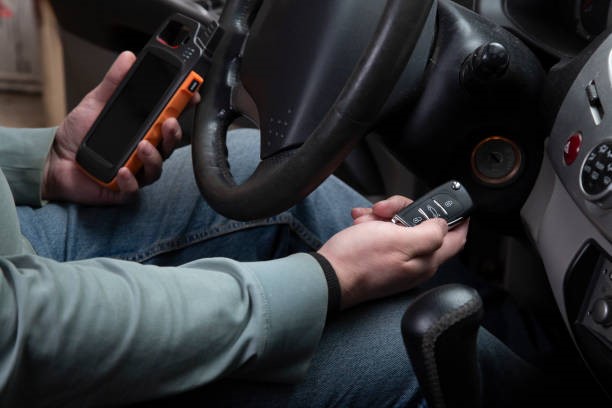
An ignition interlock device (IID) is a small breathalyzer installed in a vehicle that prevents the engine from starting if alcohol is detected. These devices are designed to reduce repeat offenses while allowing individuals to maintain limited driving privileges.
Before starting the car, the driver must blow into the device to measure their blood alcohol concentration (BAC). If alcohol is detected above the preset limit, the vehicle will not start.
Most devices also require random rolling tests while the vehicle is running to ensure the driver remains sober during the trip.
California’s Ignition Interlock Device Law
California expanded its ignition interlock requirements through statewide legislation that applies to many DUI convictions. The goal is to reduce repeat offenses and keep impaired drivers off the road.
Under these laws, drivers convicted of DUI may be required to install an IID in any vehicle they operate before their license can be reinstated.
Typical IID requirements include:
- Installation of the device by a state-approved provider.
- Proof of installation submitted to the Department of Motor Vehicles (DMV).
- Continuous use of the device during the court-ordered period.
- Participation in a DUI education program.
These legal requirements are strictly monitored, and drivers must follow them carefully to avoid further penalties.
When the Law Requires an IID
Ignition interlock requirements depend on several factors, including the number of DUI offenses and whether the incident caused injuries.
Common situations where California law requires an IID include:
- First DUI offense – Drivers may install an IID to obtain restricted driving privileges immediately.
- Second DUI offense – Installation is usually mandatory for a longer period.
- Third or subsequent DUI offenses – Drivers typically face extended IID requirements.
- DUI involving injury – Courts often require the device for several years.
The duration of IID installation can range from several months to multiple years, depending on the severity of the case.
Legal Responsibilities Under Interlock Device Laws
Drivers who are ordered to install an IID must follow several legal responsibilities during the monitoring period.
Some of the most important obligations include:
- Using the device every time the vehicle is started.
- Completing rolling breath tests during driving.
- Scheduling regular calibration appointments.
- Avoiding any attempt to tamper with or bypass the device.
The device records all breath tests and activity logs. These records may be reviewed by authorities or courts to ensure compliance.
How Criminal Defense Attorneys Help Drivers Understand These Laws
California’s ignition interlock laws involve both court orders and DMV regulations, which can make them confusing for many drivers. This is where criminal defense attorneys often play a key role.
They help clients:
- Understand whether the IID installation is mandatory or optional.
- Determine the required installation period.
- Navigate DMV paperwork and compliance requirements.
- Address violations or disputes related to the device.
Having proper legal guidance ensures that drivers fully understand their obligations under these device laws.
Key Points Drivers Should Remember
- Ignition interlock devices prevent a vehicle from starting if alcohol is detected.
- California law requires IIDs for many DUI convictions.
- The installation duration depends on the offense and applicable court orders.
- Drivers must follow strict maintenance and testing requirements.
- Criminal defense attorneys can help individuals understand and comply with IID laws.