
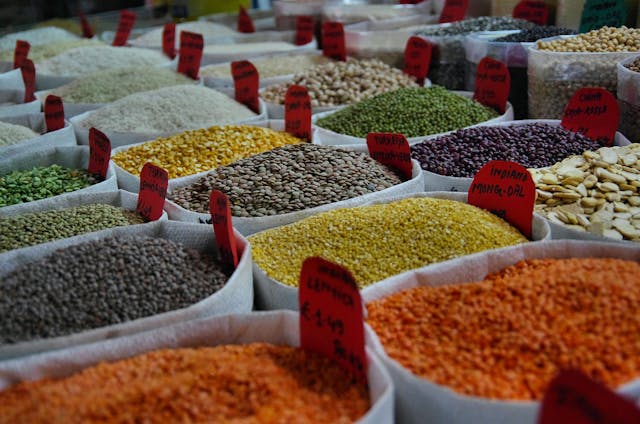

On 10 February, the world pauses to recognise something small yet powerful—pulses. Marked as World Pulses Day by the United Nations, this global observance shines a light on the quiet but transformative role pulses play in nourishing people, sustaining the environment, and supporting millions of farmers worldwide.
Often found simmering in home kitchens rather than spotlighted in global conversations, pulses—such as lentils, beans, chickpeas, and peas—are proving that simple foods can offer extraordinary solutions to modern challenges.
Why the World Observes World Pulses Day
World Pulses Day is observed every year on 10 February, following its official designation by the United Nations General Assembly in December 2018. The first celebration took place in 2019, building on the global momentum created by the International Year of Pulses in 2016.
The day is closely aligned with the United Nations’ 2030 Agenda for Sustainable Development and is supported by the Food and Agriculture Organization (FAO). Its purpose is clear: to raise awareness about how pulses contribute to food security, nutrition, environmental sustainability, and rural livelihoods.
In a world facing climate change, rising food costs, and growing health concerns, pulses offer a solution that is both ancient and remarkably relevant.
World Pulses Day 2026: Celebrating a Journey from Simplicity to Strength
World Pulses Day 2026, observed on 10 February 2026, carries the theme:
“Pulses of the World: From Modesty to Excellence.”
This theme reflects the remarkable evolution of pulses—from everyday staples grown by small farmers to globally recognised foods that support healthy diets and climate-smart agriculture. What was once considered “simple food” is now recognised as essential for the future of sustainable eating.
The global celebration in 2026 brings together governments, scientists, farmers, and chefs, highlighting international cooperation. By blending scientific dialogue with food culture, the event encourages people everywhere to rediscover pulses—not as a fallback option, but as a smart, sustainable choice.
What Are Pulses—and Why Do They Matter?
Pulses are the dry edible seeds of legume plants harvested for food. They include lentils, chickpeas, dry beans, peas, and lupins—foods that have nourished civilisations for thousands of years.
What makes pulses special is their ability to deliver high nutrition at low cost. They are rich in plant-based protein and dietary fibre, low in fat, and packed with essential vitamins and minerals. For many families, pulses are a reliable source of nourishment that supports growth, energy, and overall health.
From school lunches to home-cooked meals, pulses help keep diets balanced and affordable.
Nourishing People Across Generations
Pulses support health at every stage of life. They help children grow, support adults with energy and strength, and aid the elderly by improving digestion and heart health. Regular consumption of pulses is linked to better blood sugar control, lower cholesterol levels, and improved weight management.
At a time when lifestyle-related diseases are on the rise, pulses offer a natural and accessible path to healthier eating.
Caring for the Earth While Feeding Its People
Pulses do more than feed people—they heal the soil. These crops naturally fix nitrogen from the air into the soil, improving fertility and reducing the need for chemical fertilisers. They require less water than many other crops and leave a smaller carbon footprint.
Because of these benefits, pulses are often described as climate-smart crops. They help farmers adapt to changing weather patterns while protecting biodiversity and ecosystems.
Pulses and Sustainable Development
World Pulses Day also highlights how these crops support global goals. Pulses contribute directly to ending hunger, improving health, supporting responsible consumption, addressing climate change, and reducing poverty.
By growing and consuming more pulses, societies can produce more food using fewer resources—an essential step toward sustainable development.
India’s Special Connection with Pulses
India holds a unique place in the story of pulses. As one of the world’s largest producers and consumers, pulses are deeply woven into the country’s culture, cuisine, and agriculture. From dal on daily plates to diverse regional dishes, pulses remain a foundation of Indian diets.
World Pulses Day encourages farmers to grow pulses through crop rotation and intercropping, improving soil health and farm incomes while strengthening food security.
A Simple Choice with Lasting Impact
World Pulses Day reminds us that powerful change does not always come from complex solutions. Sometimes, it comes from recognising the value of what we already have.
Pulses—small seeds grown with care—carry the promise of better nutrition, healthier soils, and more resilient food systems. By choosing pulses more often and supporting sustainable farming, each of us can play a part in shaping a healthier future.
On World Pulses Day, we celebrate not just a crop, but a quiet revolution—one that begins with a seed and grows into hope for generations to come.