


How Modern Technology is Transforming Household Cleaning
Dusting a shelf might seem like a simple chore, but it has always been an essential part of maintaining a clean and healthy home. Dust accumulates everywhere—on shelves, furniture, electronics, and even behind appliances—bringing not only a visible layer but also allergens and pollutants that can affect our well-being.
Traditionally, dusting was done with a soft cloth, feather duster, or a small brush. While effective for light cleaning, these methods often pushed dust around rather than fully capturing it. Hard-to-reach corners, delicate ornaments, and intricate furniture designs posed additional challenges. Yet, there is a certain satisfaction in seeing a surface gleam after careful manual dusting—a tactile connection that machines cannot replace.
The Evolution of Household Cleaning
Over time, households have embraced more advanced cleaning methods. Vacuum cleaners, microfiber cloths, and mop systems have made dusting more efficient and less labor-intensive. Modern vacuums equipped with HEPA filters capture microscopic dust particles and allergens that brushes cannot. Microfiber materials trap dust effectively without dispersing it into the air, making surfaces visibly cleaner and safer for indoor health.
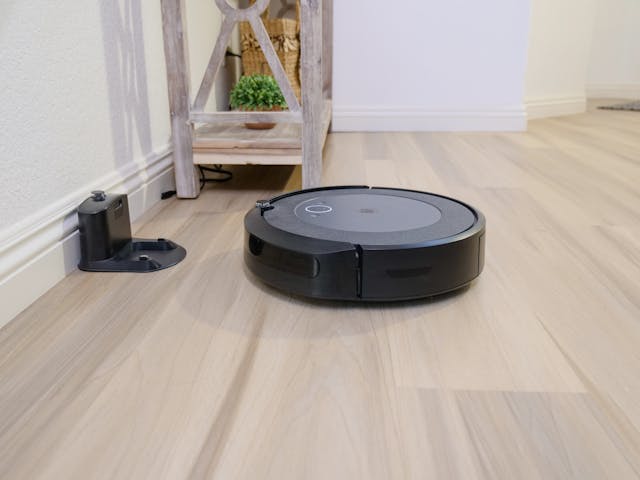
Beyond these, a wave of smart cleaning machines is revolutionizing homes. Robotic vacuum cleaners equipped with sensors and cameras can now navigate rooms autonomously, detect dust accumulation, and sweep or vacuum without human intervention. Some models even combine vacuuming with air purification, reducing airborne particles while keeping floors spotless.
Manual vs. Automated Cleaning
Even with advanced technology, the debate between manual and automated cleaning continues. Manual dusting offers unmatched precision for delicate items such as glass ornaments, electronics, and intricately carved furniture. It gives control over pressure, direction, and reach, ensuring surfaces are cleaned without damage. On the downside, it is time-consuming, physically demanding, and can leave fine particles suspended in the air if not done carefully.
Automated cleaning devices, in contrast, excel in coverage and consistency. Robots can maintain large floor areas, carpets, and open spaces efficiently, working on schedules that keep dust from settling. For households with children, pets, or allergy sufferers, these machines reduce direct contact with dust, creating a healthier environment. However, they often struggle with high shelves, corners, and fragile or decorative objects and require electricity, occasional maintenance, and upfront investment.
For most homes, the best approach is a hybrid system: automated devices handle routine cleaning, while careful manual dusting attends to delicate or hard-to-reach areas. This combination provides efficiency without compromising the detail and care that certain surfaces require.
Smart Homes and Dust Control
In modern smart homes, dusting is no longer just a manual task. IoT-enabled devices can monitor air quality, alert homeowners when dust levels rise, and even coordinate cleaning schedules with robotic vacuums or air purifiers. Humidity sensors, air purifiers, and automated cleaning robots work in tandem to maintain a cleaner environment, ensuring both surfaces and air remain healthy for daily living.
For allergy sufferers, this integration is a game-changer. Dust mites, pollen, and fine particulate matter are significantly reduced, and homes feel fresher with minimal effort. Smart homes offer not only convenience but also long-term health benefits, combining technology with traditional cleaning wisdom.
Techniques for Effective Dusting
Even with smart devices, knowing the right techniques is essential:
-
Top-to-Bottom Cleaning: Start with higher surfaces and work downwards, allowing gravity to bring dust to the floor where vacuums can capture it.
-
Trapping Materials: Use microfiber cloths or electrostatic dusters to trap dust rather than push it around.
-
Delicate Objects: Employ soft brushes for fragile decorations or electronic equipment to avoid damage.
-
Consistency: Machines are most effective when run regularly; even short daily or weekly sessions make a difference.
By combining traditional care with modern devices, dusting becomes faster, safer, and more thorough.
Environmental and Health Considerations
Dusting isn’t just about aesthetics—it impacts health. Dust contains allergens, bacteria, and other pollutants that compromise indoor air quality. Proper dusting reduces the need for chemical cleaners, which often carry environmental consequences. Many automated devices are energy-efficient, consume less water, and reduce chemical usage, contributing to a greener, more sustainable household.
At the same time, manual brushing is still invaluable for delicate surfaces where machines cannot reach. Careful use of eco-friendly dusters and microfiber cloths ensures homes remain clean without harming the environment.
The Future of Household Cleaning
The future promises even more innovation. Imagine shelves with self-cleaning coatings, drones designed to remove dust from high or inaccessible areas, or AI-powered systems that analyze dust accumulation and schedule cleaning accordingly. While such innovations may sound futuristic, they represent the direction of household care: combining human attention with technological efficiency.
For now, the humble brush remains relevant, especially for corners, shelves, and delicate decorations. But it is part of a broader ecosystem where smart machines, sensors, and advanced cleaning materials work together to keep homes healthier and more comfortable than ever.
Conclusion
Dusting the shelf may appear trivial, but it is symbolic of the balance between tradition and modernity in household management. Manual cleaning provides precision, care, and a personal connection to the home. Automated machines offer efficiency, consistency, and convenience, helping busy households maintain healthy living spaces.
By combining both approaches, homeowners can achieve a cleaner, safer, and more sustainable environment. As technology continues to evolve, even the simplest household chore—dusting—will reflect the perfect harmony between human touch and innovation.