
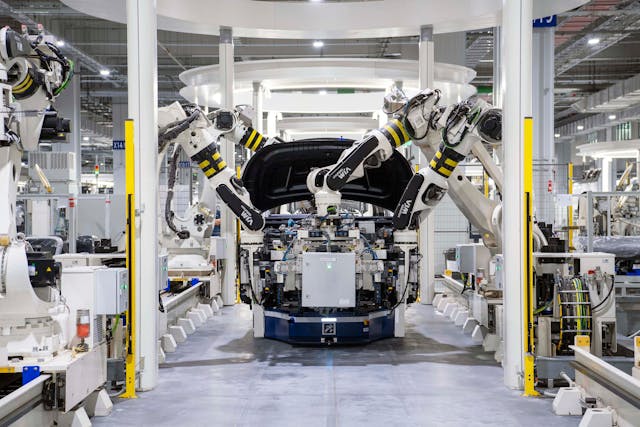

Automation is no longer a distant future—it is already reshaping how we work, what we learn, and how careers evolve. Artificial intelligence, robotics, and intelligent software are steadily taking over repetitive and predictable tasks. Yet, this shift is not a story of job loss alone. It is also a story of reinvention, opportunity, and smarter career planning.
While automation is expected to displace millions of roles globally, it is simultaneously creating new kinds of jobs—roles that require human judgment, creativity, empathy, and technological understanding. The challenge for today’s workforce is not to compete with machines, but to learn how to work alongside them.
The Big Shift: From Job Security to Skill Security
In the past, choosing a career often meant finding stability in a single profession. Today, stability comes from adaptability. Roles may change, job titles may disappear, but skills—especially those that machines struggle to replicate—remain valuable.
Automation thrives on structure and predictability. Humans thrive on nuance, imagination, and emotional understanding. The most resilient careers of the future sit at the intersection of these strengths.
High-Growth Careers That Automation Can’t Easily Replace
Not all jobs are equally vulnerable to automation. Fields that require real-world judgment, emotional connection, or complex decision-making continue to grow—even as machines become more capable.
Healthcare and Wellbeing
Healthcare remains one of the most automation-resistant sectors. While AI can assist with diagnostics and data analysis, it cannot replace the human connection between a caregiver and a patient. Doctors, nurses, therapists, mental health professionals, and caregivers provide empathy, trust, and personalised care—qualities that technology can support, but not replicate.
Technology and AI-Driven Roles
Ironically, some of the safest jobs in the age of automation are those that build and manage automation itself. Careers in artificial intelligence, machine learning, data science, cybersecurity, and cloud computing are expanding rapidly. These professionals design systems, interpret outputs, ensure ethical use, and solve problems that AI cannot resolve on its own.
Skilled Trades
Electricians, HVAC technicians, plumbers, and welders are in growing demand. These roles involve unpredictable environments, hands-on problem-solving, and physical presence—areas where robots still struggle. As infrastructure modernises, skilled trades are becoming both valuable and future-proof.
Green Jobs and Sustainability
As the world shifts towards renewable energy and sustainable practices, new roles are emerging across clean energy, environmental science, climate analytics, and sustainable business strategy. These careers combine science, policy, and human decision-making, making them resilient to automation.
Creative and Strategic Professions
Creativity remains one of humanity’s strongest advantages. While AI can generate content, it lacks lived experience, emotional depth, and cultural intuition. Marketing strategists, designers, brand storytellers, UX professionals, and creative leaders who understand human behaviour will continue to shape how technology connects with people.
The Rise of AI-Complementary Skills
The smartest career choices today involve learning skills that complement AI rather than compete with it.
Digital and AI Literacy
Understanding how AI tools work—and how to use them effectively—has become essential across industries. Tools for automation, data analysis, content creation, and workflow optimisation can dramatically increase productivity when used thoughtfully.
Critical Thinking and Complex Problem-Solving
AI can process enormous amounts of data, but it cannot fully understand context, ethics, or long-term consequences. Humans are needed to ask the right questions, interpret insights, and make strategic decisions.
Emotional Intelligence
Leadership, negotiation, collaboration, counseling, and conflict resolution rely on emotional awareness. These skills become even more valuable as workplaces become more automated and hybrid.
Data Interpretation
Rather than learning to code extensively, many professionals benefit from understanding what data means, how trends affect decisions, and how insights translate into real-world outcomes.
From Routine Roles to Hybrid Careers
Many traditional jobs are evolving rather than disappearing. The future belongs to professionals who can blend technical knowledge with human judgment.
A designer who once focused only on visuals may now guide AI-assisted creative processes. A customer service professional may move into customer experience design or AI training roles. These “hybrid” or “new-collar” careers allow individuals to stay relevant while expanding their impact.
Building Career Resilience in an Automated World
Career resilience is no longer optional—it is a necessity.
Commit to Lifelong Learning
Continuous learning is becoming a career norm. Short courses, certifications, and skill-based learning platforms help professionals stay updated as technology evolves.
Create a Human-Centered Portfolio
Beyond qualifications, employers increasingly value adaptability, leadership, creativity, and problem-solving. Document real projects, challenges solved, and collaborative work that shows how you think and lead.
Network with Purpose
Conversations with professionals in your field can offer insights into how roles are changing. Networking today is less about job-hunting and more about staying informed and connected.
The Real Opportunity of Automation
Automation is not eliminating the need for humans—it is redefining it. Machines handle speed, scale, and repetition. Humans bring meaning, judgment, empathy, and imagination.
The safest and smartest career path is not avoiding technology, but learning to manage it. Those who combine technical awareness with human strengths will not only survive the age of automation—they will shape it.
Conclusion
The future of work does not belong to machines alone. It belongs to people who evolve, learn continuously, and understand that their greatest advantage is not what they can automate—but what they can humanise.