

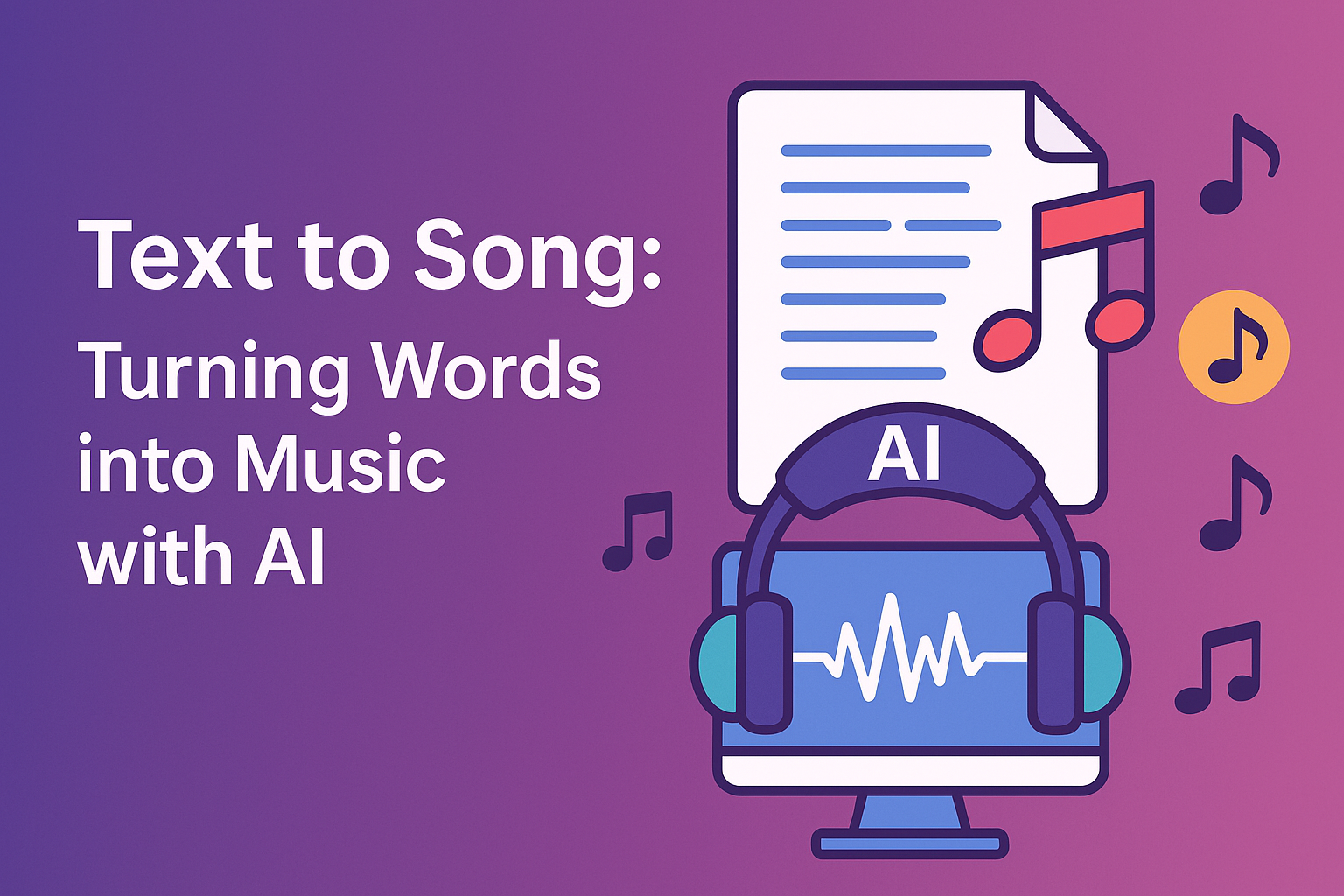
The way music is created is changing fast. One of the most exciting developments is text to song technology. This approach allows written words to be transformed into complete songs with melody, vocals, and instruments. What once required a full studio, multiple musicians, and complex software can now begin with a simple paragraph.
Text to song tools use artificial intelligence to understand language, emotion, rhythm, and structure. They then convert that information into musical elements such as tempo, harmony, and vocal style. This has opened music creation to people who have ideas but do not play instruments or produce music professionally.
How Text to Song Works
The process starts with text input. This text can be lyrics, a poem, a story, or even a short prompt describing a mood. The AI system analyzes:
- Emotional tone
- Rhythm and syllable patterns
- Keywords that suggest genre or style
Based on this analysis, the system generates a musical composition. Some platforms also allow users to choose:
- Genre such as pop, rock, hip hop, or classical
- Vocal gender or style
- Tempo and energy level
Within minutes, the output is a full song. This includes background music, vocal performance, and mixing.
Why Text to Song Matters
Text to song technology is not just a novelty. It is changing several industries.
1. Content Creation
Creators on platforms like YouTube, TikTok, and Instagram need original audio. Instead of searching for royalty free tracks, they can generate custom songs that match their message perfectly.
2. Marketing and Branding
Businesses can turn brand messages into catchy songs. A short slogan can become a memorable audio identity. This improves engagement and brand recall.
3. Education
Teachers can convert lessons into songs. Students often remember information better when it is set to music. Text to song makes this process fast and accessible.
4. Personal Expression
People who have never produced music can now hear their words as a song. This is powerful for storytelling, emotional expression, and creative exploration.
Creative Possibilities
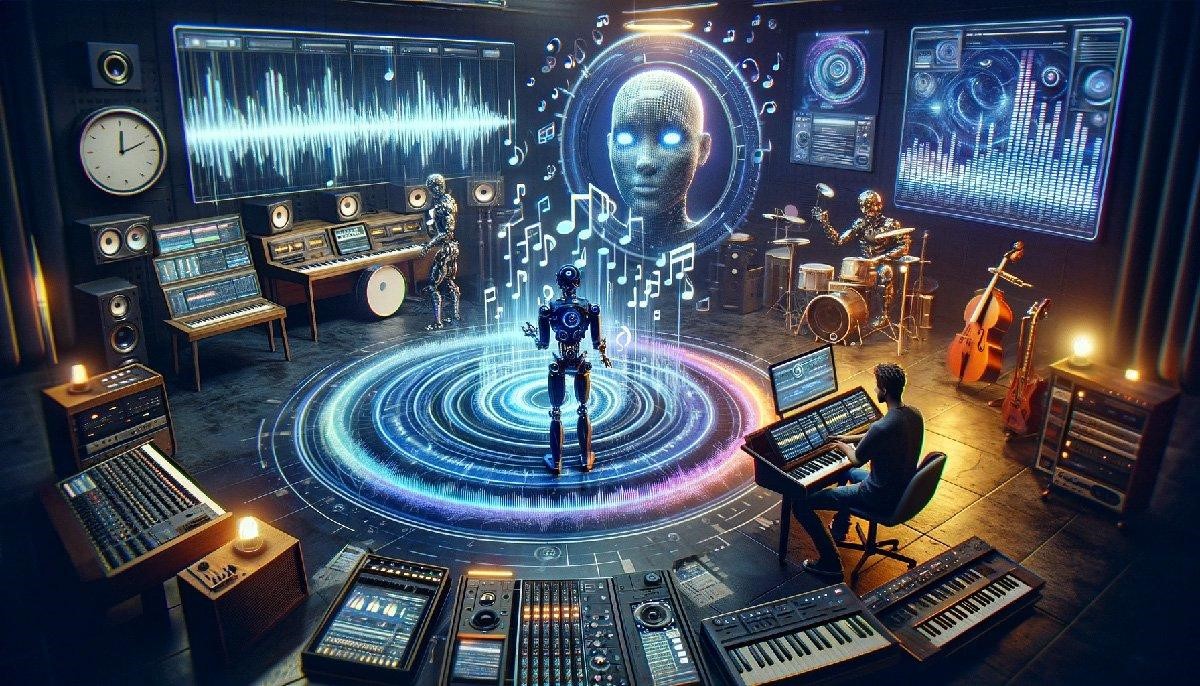
The creative range is wide. A single piece of text can be turned into multiple versions:
- A calm acoustic ballad
- An energetic electronic track
- A cinematic orchestral piece
This allows users to experiment with different moods without rewriting their content. It also helps songwriters test how lyrics sound in various styles before final production.
Another advantage is speed. Traditional songwriting can take days or weeks. Text to song tools can generate a draft in minutes. This does not replace human creativity but accelerates the early stages of composition.
Limitations to Consider
Despite its strengths, text to song technology still has limits.
- Emotional nuance may not always match human performance
- Complex storytelling lyrics may need manual editing
- Some generated melodies can sound similar across outputs
Because of this, many professionals use text to song as a starting point rather than a final product. They refine the lyrics, adjust the melody, and add live instruments.
Best Practices for Better Results
To get high quality songs, the input text should be clear and structured. Here are some practical tips:
- Write lyrics with consistent line length
- Indicate mood or genre in the prompt
- Use simple and direct language
- Add a chorus section for better song structure
For example, instead of writing a long paragraph, break the text into verses and a chorus. This helps the AI understand the intended format.
The Future of Text to Song
Text to song is expected to become more advanced. Future systems will likely offer:
- More realistic vocal expression
- Multilingual singing with accurate pronunciation
- Real time collaboration between human and AI
- Custom voice cloning for personalized songs
This means a writer could create a song in their own voice without recording vocals. It also means global audiences could generate music in multiple languages from the same text.
Conclusion
Text to song technology is transforming how music is created, shared, and experienced. It removes technical barriers and allows anyone with an idea to produce a complete song. While human musicianship remains essential for depth and originality, AI tools provide a powerful starting point.
For creators, marketers, educators, and storytellers, text to song offers a fast and flexible way to turn words into sound. As the technology improves, the gap between imagination and musical output will continue to shrink, making music creation more accessible than ever before.