
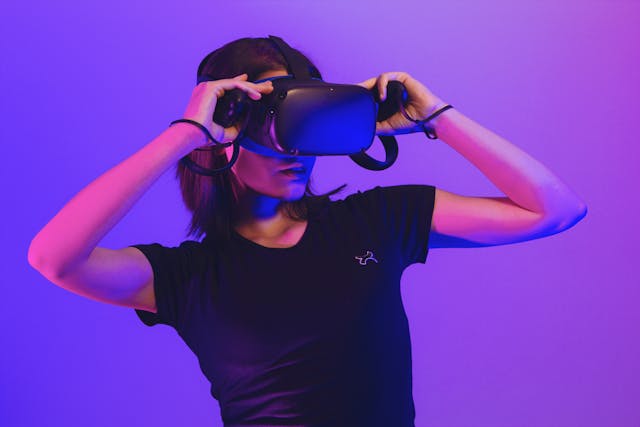

The world of cinema is in the midst of a profound transformation. Once dominated by Hollywood blockbusters, the industry in 2026 has evolved into a truly global and technologically advanced landscape. International films are capturing box offices across continents, while artificial intelligence (AI) and augmented reality (AR) are redefining how stories are written, filmed, and experienced. The modern audience no longer simply watches a movie—they participate, influence, and immerse themselves in cinematic worlds in ways previously unimaginable.
This feature explores the dual forces shaping the future of filmmaking: the rise of international cinema and the integration of AI and AR into the creative process.
1. Global Cinema Takes Center Stage
The early 2026 box office reveals a striking shift: international films are no longer peripheral; they are defining global trends. Non-Hollywood productions are generating record revenues, demonstrating that audiences are hungry for stories beyond the traditional Western framework.
China and India Lead the Charge
China and India are now cinematic powerhouses. Films like Ne Zha 2 from China and India’s pan-Indian blockbuster King are achieving massive international success, with Ne Zha 2 reportedly nearing $2 billion in global revenue. Indian cinema, with its mix of action, drama, and romance, is resonating with global audiences, while regional productions are finding worldwide acclaim.
The rise of pan-Indian films, which blend South Indian storytelling with Bollywood flair, is creating content designed to appeal across linguistic and cultural boundaries. Similarly, Chinese cinema is producing visually spectacular fantasy and historical epics that rival Hollywood blockbusters in scale and technical sophistication.
Audience Preferences Shift to Quality and Connection
Modern viewers prioritize emotional resonance over the origin of a film. High-quality subtitles and dubbing have removed language barriers, allowing audiences to experience authentic storytelling rather than remakes. The “buffet effect” of Indian cinema—offering multiple genres in one film—caters to a diverse international audience, while Korean and Middle Eastern series are gaining global recognition through streaming platforms.
Streaming and Social Media Amplify Global Reach
Platforms like Netflix, Disney+, Prime Video, and emerging OTT services have democratized access to international content. AI-driven recommendations, group watch features, and social integration allow films from Seoul, Madrid, or Dubai to reach millions globally. Social media buzz now plays a critical role, turning local hits into worldwide sensations before their official releases.
2. AI and AR: The New Architects of Storytelling
Beyond geography, technology is transforming cinema at its very core. AI and AR are no longer mere support tools—they are active collaborators in creation, production, and distribution.
AI in Pre-Production: A Creative Co-Writer
The early stages of filmmaking—ideation, scripting, and storyboarding—are increasingly powered by AI:
-
Script Assistance: Tools like ChatGPT and Sudowrite help writers brainstorm plots, generate dialogue, and test alternate story arcs.
-
Narrative Analysis: AI systems such as ScriptBook evaluate scripts for emotional resonance, pacing, and market potential, giving creators data-driven insights before production begins.
-
Pre-Visualization: AI can generate storyboards and concept art from text descriptions, allowing directors to experiment with visual ideas before physical sets or locations are created.
Production: Virtual Worlds and Creative Freedom
AI-powered technologies are pushing filmmaking beyond physical and budgetary limits:
-
Virtual Production: LED volumes and AI-rendered 3D environments, popularized in The Mandalorian, enable dynamic real-time shooting.
-
Generative AI Scenes: Tools like Runway and OpenAI’s Sora allow filmmakers to produce complex sequences—action, fantasy, or large-scale visual effects—without costly infrastructure.
-
Intelligent Cinematography: AI-driven camera systems adjust focus, lighting, and angles automatically, giving filmmakers more creative control over their storytelling.
Post-Production: Speed Meets Precision
Editing and visual effects are now faster and more precise thanks to AI:
-
AI-Driven VFX: From rotoscoping to de-aging actors, AI accelerates intricate effects work.
-
Smart Editing: Platforms like Adobe Sensei automatically organize footage, suggest cuts, and manage color grading, freeing editors to focus on narrative flow.
-
AI Dubbing and Voice Cloning: Deep learning enables films to be localized for international audiences while preserving actor performances and emotional depth.
AR and Interactive Experiences
Augmented reality is expanding storytelling beyond the screen:
-
Immersive Worlds: AR allows viewers to interact with cinematic elements through headsets or mobile devices, merging physical and virtual experiences.
-
Dynamic Narratives: AI-powered systems can tailor stories in real time based on viewer preferences, offering unique and personalized experiences.
3. Audience Engagement in the Streaming Era
The rise of international content and AI-driven experiences coincides with a profound change in audience behavior. Viewers no longer passively consume content—they expect immersion, interactivity, and accessibility.
-
Cultural Escapism: International shows such as Squid Game, Money Heist, and Alice in Borderland provide authentic cultural experiences, allowing audiences to explore global perspectives from their living rooms.
-
Flexible Viewing: Platforms offer subtitles, dubbing, and adaptive content presentation to cater to diverse preferences, breaking down language barriers.
-
Algorithmic Curation: Streaming services use AI to recommend foreign-language content to global viewers, making international cinema a familiar part of their viewing habits.
4. Challenges and Ethical Considerations
While AI and AR unlock new creative possibilities, they bring challenges:
-
Narrative Consistency: AI can struggle with maintaining emotional depth and coherent long-form storytelling, requiring human oversight.
-
Authenticity vs. Perfection: AI-generated performances may feel technically flawless but emotionally hollow.
-
Legal and Ethical Issues: Copyright, actor likeness, and potential job displacement are prompting new frameworks and union agreements.
5. The Hybrid Future of Filmmaking
The future of cinema in 2026 is neither entirely human nor fully AI-driven—it is hybrid. Filmmakers who embrace technology while preserving the soul of storytelling will define the next decade of cinema. International collaboration, streaming reach, and immersive technologies are converging to create a world where stories can cross borders, languages, and even reality itself.
Audiences now expect more than a screen—they seek experiences. The most successful creators will not only tell stories; they will craft worlds, personalized journeys, and interactive cinematic landscapes.
Cinema is no longer just a medium—it is an ecosystem where technology and human creativity coexist to expand the boundaries of imagination.