

Best Time to Visit, Wildlife Seasons, and What to Expect on a Masai Mara Safari
Introduction to Masai Mara
The Masai Mara National Reserve is one of Africa’s most iconic safari destinations, celebrated for its extraordinary wildlife, dramatic landscapes, and deep cultural heritage. Located in southwestern Kenya, the reserve covers approximately 1,510 square kilometers and forms part of the greater Mara–Serengeti ecosystem—one of the most important wildlife corridors in the world.
Established in 1961, the reserve is named after the Maasai people, the region’s indigenous community, and the Mara River that sustains its ecosystem. Home to the famed Big Five—lion, leopard, elephant, buffalo, and rhinoceros—the Masai Mara also supports cheetahs, giraffes, zebras, wildebeests, and more than 450 bird species. Combined with immersive cultural experiences, the Masai Mara remains a top choice for safari travelers worldwide.
Understanding the Seasons in Masai Mara
The Masai Mara experiences two primary seasons: dry and wet, each offering a distinct safari experience.
Dry Season (June to October)
The dry season is widely considered the best time to visit Masai Mara. Sparse vegetation and limited water sources make wildlife easier to spot as animals gather around rivers and watering holes. This season also coincides with cooler temperatures and excellent game-viewing conditions.
Wet Season (November to May)
The wet season includes short rains (November–December) and long rains (March–May). While some roads may become muddy, the reserve transforms into a lush, green paradise. This season offers fewer crowds, lower accommodation rates, vibrant birdlife, and excellent opportunities to witness newborn animals.
Wildlife Viewing Opportunities Throughout the Year
Masai Mara offers exceptional wildlife sightings year-round.
July to October: Peak game viewing with large predator activity and the Great Migration.
January to March: Calving season for wildebeests and zebras, attracting big cats.
April to May: Ideal for birdwatching as migratory species arrive, and the plains flourish with greenery.
No matter when you visit, Masai Mara delivers memorable wildlife encounters.
The Great Migration: Timing and Highlights
The Great Migration is one of the world’s most spectacular natural events, involving over a million wildebeests, accompanied by zebras and gazelles. Driven by rainfall and grazing patterns, the migration typically reaches Masai Mara between July and October.
The most dramatic moments occur during Mara River crossings, where herds brave strong currents and lurking crocodiles. This period is considered the prime safari season and attracts visitors from across the globe.
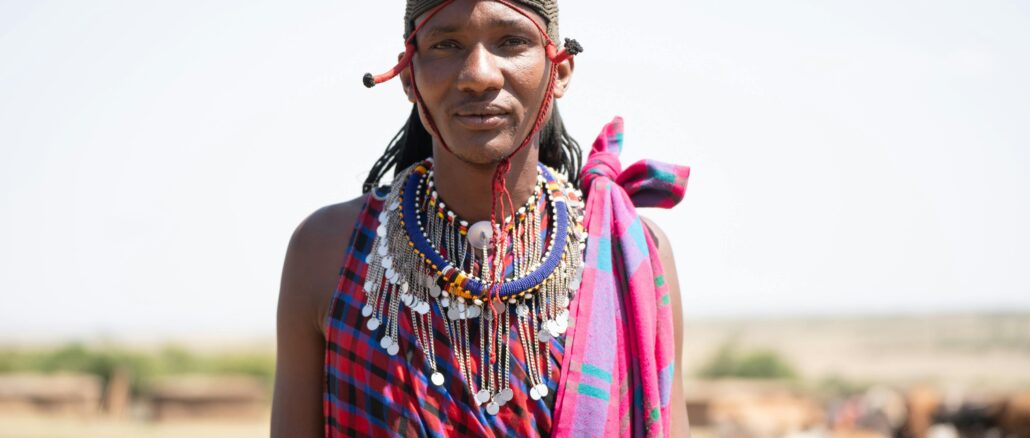
Cultural Experiences: Engaging with the Maasai People
A safari in Masai Mara is incomplete without experiencing Maasai culture. Visitors can engage with local communities through village visits, cultural performances, and traditional ceremonies.
The best time for cultural engagement is between June and October, when significant ceremonies such as Enkipaata take place. Local markets, vibrant year-round, also offer authentic Maasai crafts, jewelry, and textiles while supporting sustainable tourism.
Weather Considerations: What to Expect
Masai Mara’s elevated location ensures a mild climate throughout the year.
Daytime temperatures: 20°C–30°C (68°F–86°F)
Night temperatures: Can drop to 10°C (50°F), especially during dry months
Rainfall peaks from March to May, while June to September offers stable weather and ideal safari conditions. Packing layered clothing is recommended to accommodate temperature fluctuations.
Travel Tips for Choosing Your Safari Dates
Book early if traveling between July and October due to high demand.
Consider shoulder seasons (November–March) for fewer crowds and better deals.
Factor in weather conditions, especially if planning extensive game drives.
Align your visit with cultural events to enrich your safari experience.
Careful planning ensures a rewarding and well-balanced safari adventure.
Conclusion: Finding the Perfect Time for Your Masai Mara Safari
Choosing the best time to visit Masai Mara depends on your priorities—whether it’s witnessing the Great Migration, enjoying intimate wildlife encounters, or immersing yourself in Maasai culture. While July to October offers unmatched wildlife drama, the green seasons provide tranquility, scenic beauty, and unique photographic opportunities.
Ultimately, Masai Mara delivers extraordinary experiences year-round. With thoughtful planning and an understanding of seasonal dynamics, your safari will be nothing short of unforgettable.