
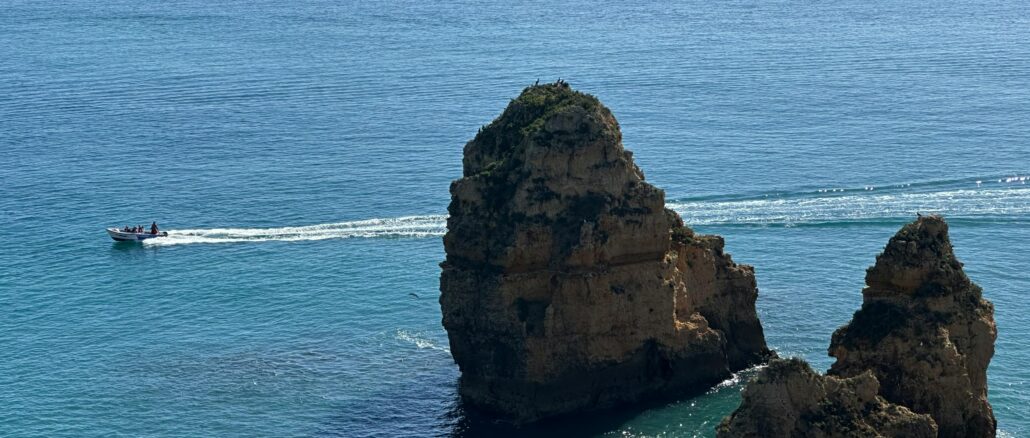

Exploring golden beaches, coastal cuisine, and the rich traditions that define Portugal’s southern shoreline
Introduction to the Algarve
Located in southern Portugal, the Algarve is one of Europe’s most captivating coastal destinations, celebrated for its golden beaches, dramatic cliffs, charming towns, and exceptional food culture. Bordered by the Atlantic Ocean and the Serra de Monchique mountains, the region offers a striking contrast of seascapes and countryside, making it ideal for travelers seeking both relaxation and exploration.
The Algarve enjoys a Mediterranean climate, with over 300 days of sunshine annually, warm summers, and mild winters—perfect for year-round travel. Its rich history reflects centuries of influence from the Phoenicians, Romans, and Moors, each leaving a lasting imprint on architecture, agriculture, and cuisine. Today, visitors can explore ancient castles, cobbled streets, vibrant markets, and festivals that celebrate the Algarve’s unique heritage.
Famous not only for its scenic beauty but also for its fresh seafood and traditional Portuguese cuisine, the Algarve delivers a complete travel experience that blends culture, nature, and gastronomy effortlessly.
The Stunning Beaches of the Algarve
The Algarve coastline is home to some of the most beautiful beaches in Europe, known for golden sands, turquoise waters, and dramatic limestone formations.
Praia da Marinha
Often ranked among the world’s top beaches, Praia da Marinha is famous for its iconic rock arches and crystal-clear waters. Ideal for snorkeling, swimming, and photography, it offers easy access and breathtaking coastal views that showcase the Algarve’s natural beauty.
Praia da Rocha
Located in Portimão, Praia da Rocha features expansive sands, lively beachfront restaurants, and a vibrant atmosphere. It is perfect for families and adventure seekers, offering water sports such as jet skiing, parasailing, and paddleboarding.
Ponta da Piedade
More than a beach, Ponta da Piedade is a spectacular coastal landmark near Lagos. Known for its towering cliffs, hidden grottos, and sea caves, it can be explored by kayak, boat tour, or hiking trails that provide panoramic ocean views.
From secluded coves to energetic resort beaches, the Algarve offers a diverse beach experience suited to every traveler.
Culinary Delights: The Flavors of the Algarve
Algarve cuisine is deeply rooted in fresh ingredients, seafood traditions, and Mediterranean flavors. Influenced by Moorish spices and Atlantic produce, the region’s food culture is both simple and deeply flavorful.
Iconic Algarve Dishes
Cataplana – A traditional seafood stew cooked in a copper pot, featuring clams, fish, prawns, tomatoes, garlic, and herbs.
Grilled Sardines – Especially popular in summer, these are lightly salted and grilled over open flames, delivering bold, smoky flavors.
Seafood Rice (Arroz de Marisco) – A rich, comforting dish packed with shellfish and aromatic broth.
Local markets play a key role in Algarve cuisine, offering fresh fish, citrus fruits, olives, and regional produce that define traditional cooking.
Local Wine and Vineyards in the Algarve
The Algarve’s wine scene is gaining recognition, thanks to its favorable climate and innovative winemakers. Indigenous grape varieties such as Arinto, Alvarinho, and Tinta Negra thrive in the region’s sun-soaked vineyards.
Notable Wine Areas
Portimão – Known for bold reds and aromatic whites
Lagos – Specializes in crisp white wines ideal for seafood
Albufeira – Produces modern wines using innovative techniques
Wine estates like Quinta dos Vales and Monte da Casteleja offer vineyard tours and tastings paired with local delicacies. Algarve wines pair beautifully with seafood dishes, enhancing the region’s gastronomic appeal.
The Unique Culture and History of the Algarve
The Algarve’s cultural identity reflects centuries of Roman and Moorish influence.
Roman heritage can be seen at sites like Milreu and ancient villas near Lagos.
Moorish architecture dominates towns such as Silves and Tavira, featuring whitewashed houses, tiled facades, and narrow streets.
Festivals like the Silves Medieval Fair and Festa de São Vicente celebrate the region’s traditions, while local artisans preserve crafts such as pottery, weaving, and filigree jewelry.
Outdoor Adventures and Activities in the Algarve
Beyond beaches, the Algarve offers a wealth of outdoor activities.
Hiking: Trails in Costa Vicentina Natural Park provide rugged coastal views.
Golf: World-class courses at Vale do Lobo and Quinta do Lago attract global golfers.
Nature Exploration: Ria Formosa Natural Park is ideal for birdwatching, kayaking, and eco-tours.
Whether you seek adventure or tranquility, the Algarve caters to every outdoor enthusiast.
Top Towns to Visit in the Algarve
Albufeira
Known for its nightlife, beaches, and lively old town, Albufeira is ideal for families and social travelers.
Lagos
Rich in maritime history, Lagos offers historic landmarks, stunning cliffs, and a relaxed coastal vibe.
Tavira
Often considered the most authentic Algarve town, Tavira features Roman bridges, scenic river views, and traditional Portuguese charm.
Each town offers a unique perspective on Algarve life and culture.
Practical Travel Tips for Visiting the Algarve
Best time to visit: Spring (March–May) and Autumn (September–October)
Getting around: Rent a car for flexibility; public transport covers major towns
Local etiquette: Greet with “Olá,” tip 5–10% for good service
What to pack: Sun protection, comfortable walking shoes, and beachwear
Learning a few Portuguese phrases enhances local interactions and travel experiences.
Conclusion: Embrace the Algarve Experience
The Algarve is a destination where sun-drenched beaches, rich history, and unforgettable food come together seamlessly. From dramatic coastlines and charming towns to fresh seafood and fine wines, this southern Portuguese gem offers experiences that appeal to every traveler.
Whether you are a beach lover, food enthusiast, history explorer, or outdoor adventurer, the Algarve promises lasting memories. Embrace the Algarve experience and discover why it remains one of Europe’s most beloved travel destinations.