

Wellness Travel in Today’s World
Travel today isn’t just about ticking destinations off a bucket list. In a world where long work hours, constant notifications, and screen fatigue have become the norm, people are traveling with a different purpose: to feel better, not just go somewhere new.
Wellness travel has grown out of this collective need for balance. Travelers are actively choosing experiences that allow them to slow down, breathe deeply, and reset—both mentally and physically. From solo professionals battling burnout to families seeking mindful bonding experiences, wellness-focused trips are now shaping how people plan their holidays.
What was once considered a luxury is now seen as a necessity. Wellness travel has firmly moved into the mainstream, with travelers prioritizing mental clarity, preventive health, and emotional well-being alongside comfort and convenience.
Why Wellness Retreats Are More Popular Than Ever
Wellness retreats are thriving because they offer something many people struggle to achieve at home: structured time to switch off. These retreats remove decision fatigue and distractions, replacing them with routines built around healing and self-care.
Yoga retreats continue to attract travelers looking for flexibility, strength, and mental calm, often set in peaceful surroundings far from city noise. Detox retreats are gaining traction among those wanting to reset unhealthy habits, especially after years of sedentary lifestyles and stress-related eating patterns. Spiritual retreats, meanwhile, appeal to individuals seeking clarity, purpose, and emotional grounding in uncertain times.
Destinations like Bali, Rishikesh, Kerala, Tuscany, and Costa Rica remain popular not just for their beauty, but for their ability to create a sense of stillness. Many travelers return from these retreats feeling lighter—mentally clearer and more motivated to maintain healthier routines long after their trip ends.
Ayurveda’s Relevance in Modern Wellness Travel
In today’s fast-paced world, Ayurveda feels surprisingly modern. This ancient Indian system of healing focuses on balance—something many people feel is missing from their daily lives. Rather than quick fixes, Ayurveda emphasizes understanding the body’s natural rhythms and working with them.
Wellness travelers are increasingly drawn to Ayurvedic retreats for their personalized approach. Treatments are not generic; they are tailored based on individual body types, stress levels, and lifestyle habits. Programs often include guided nutrition plans, herbal therapies, therapeutic massages, and detox processes designed to restore harmony from within.
What makes Ayurveda especially appealing today is its focus on prevention rather than cure. In an era where people are becoming more health-conscious and proactive, Ayurvedic wellness travel offers tools that can be integrated into everyday life, making the experience both practical and transformative.
Mindful Stays: Hotels That Go Beyond Comfort
The idea of a hotel as just a place to sleep is quickly fading. Mindful stays are redefining hospitality by weaving wellness into every part of the guest experience.
Many hotels and resorts now offer thoughtfully curated wellness amenities—healthy, balanced meals instead of indulgent buffets, quiet meditation corners instead of crowded lounges, and wellness activities that encourage movement and mindfulness. Morning yoga sessions, sunset meditation, guided nature walks, and digital-free zones are becoming common features.
These stays appeal to travelers who want wellness without committing to a full retreat. Whether it’s a weekend getaway or a longer vacation, mindful accommodations allow guests to maintain healthy routines while still enjoying the pleasures of travel.
Nature as the Ultimate Wellness Partner
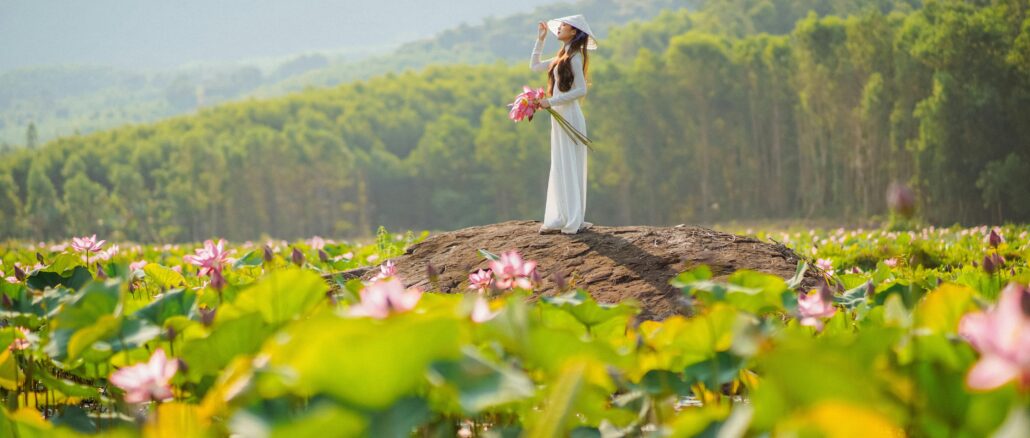
Nature has quietly become one of the most powerful wellness tools in travel. As urban living becomes more intense, travelers are seeking open spaces, fresh air, and natural silence.
Wellness destinations that integrate forests, beaches, mountains, and open landscapes offer something technology cannot replicate—a sense of grounding. Activities like outdoor yoga, forest bathing, mindful walking, and beach meditation help travelers reconnect with themselves while disconnecting from daily stressors.
This renewed appreciation for nature has also strengthened the demand for eco-resorts and sustainable travel options. Travelers increasingly want experiences that heal them without harming the environment, making nature-centric wellness travel both restorative and responsible.
Culinary Wellness: Eating With Intention
Food has become a central part of the wellness travel experience. Today’s travelers are more conscious of what they eat and how it affects their energy, mood, and overall health.
Wellness trips now focus on nourishing, thoughtfully prepared meals using fresh, local ingredients. From Ayurvedic diets to plant-based menus and mindful eating sessions, food is no longer about indulgence alone—it’s about balance and awareness.
Cooking workshops and nutrition sessions are especially popular, as they give travelers practical skills they can use long after the trip ends. Eating slowly, understanding ingredients, and reconnecting with food as nourishment adds a deeply grounding layer to the wellness journey.
Digital Detox: Stepping Away to Reclaim Focus
Constant connectivity has made digital detox one of the most sought-after aspects of wellness travel. Many travelers now view time away from screens as a luxury.
Wellness retreats and mindful stays are responding by encouraging limited or no device usage. Without the pull of notifications, travelers find it easier to be present, engage in meaningful conversations, and truly relax. Activities like journaling, meditation, guided reflection, and nature immersion replace screen time, helping guests reconnect with themselves.
This intentional pause from technology often leads to better sleep, reduced anxiety, and a renewed sense of mental clarity—benefits that many travelers continue to value long after they return home.
What’s Next for Wellness Travel?
Wellness travel is evolving to meet modern expectations. Technology is being used mindfully, with wearables and wellness apps supporting personalized health goals rather than overwhelming users. Biohacking retreats are gaining attention among travelers looking to optimize performance and longevity. At the same time, sustainability has become non-negotiable, with travelers favoring retreats that support local communities and eco-conscious practices.
These shifts indicate that wellness travel is no longer a trend—it’s becoming a lifestyle choice.
A New Way to Travel Forward
Wellness travel today reflects a deeper shift in how people view success, health, and happiness. It’s no longer about escaping life, but about learning how to live better within it.
Whether it’s through an Ayurvedic retreat, a mindful hotel stay, or time spent reconnecting with nature, wellness travel offers something truly valuable: space to pause, reflect, and reset. As more people prioritize mental and physical well-being, wellness-focused journeys will continue to shape the future of travel—making every trip an opportunity for growth, balance, and renewal.