
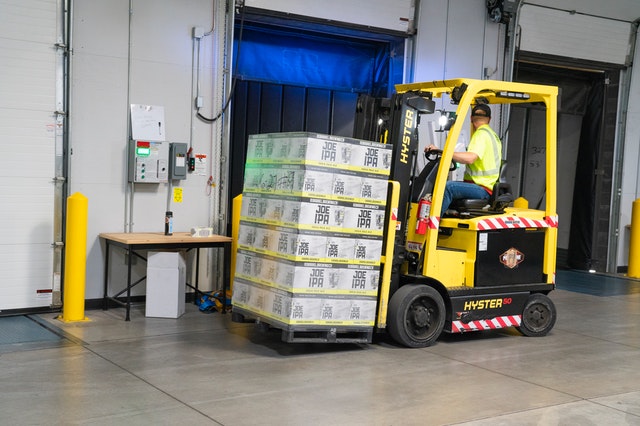

Introduction to Supply and Logistics Tips for Business Owners
In today’s fast-paced and highly competitive market, mastering supply and logistics tips for business owners is no longer optional—it’s essential. Whether you run a small startup or a growing enterprise, efficient supply chain and logistics management can directly impact profitability, customer satisfaction, and long-term growth.
Supply and logistics involve everything from sourcing raw materials and managing inventory to transportation, warehousing, and final delivery. When done right, these processes work seamlessly in the background. When done poorly, they lead to delays, higher costs, unhappy customers, and lost revenue.
This guide shares practical, real-world supply and logistics tips for business owners that you can apply immediately. Written in simple language and backed by industry best practices, this article will help you streamline operations, reduce waste, and future-proof your business.
Understanding Supply Chain and Logistics Basics
What Is Supply Chain Management?
Supply chain management refers to the coordination of all activities involved in producing and delivering goods—from suppliers to end customers. It includes procurement, production, storage, and distribution.
What Is Logistics Management?
Logistics focuses on the movement and storage of goods. This includes transportation, warehousing, order fulfillment, and delivery scheduling.
Why Business Owners Must Care
Poor supply chain planning increases costs and risks. Strong logistics management ensures faster deliveries, lower expenses, and satisfied customers.
Why Supply and Logistics Matter for Business Growth
-
Reduces operational costs
-
Improves customer trust and loyalty
-
Enhances cash flow through better inventory control
-
Supports business scalability
-
Minimizes risks from disruptions
In short, smart logistics equals smarter business decisions.
Key Supply and Logistics Tips for Business Owners
1. Build Strong Supplier Relationships
Reliable suppliers are the backbone of your supply chain. Communicate clearly, pay on time, and collaborate on forecasts to avoid shortages.
Tip: Diversify suppliers to reduce dependency on a single source.
2. Optimize Inventory Management
Overstocking ties up cash, while understocking leads to missed sales.
Best practices include:
-
Using inventory management software
-
Applying FIFO (First In, First Out)
-
Monitoring demand trends
This is one of the most impactful supply and logistics tips for business owners.
3. Use Technology and Automation
Modern logistics tools can:
-
Track shipments in real time
-
Automate reordering
-
Improve forecasting accuracy
Cloud-based ERP and logistics platforms save time and reduce human error.
4. Improve Demand Forecasting
Accurate forecasting prevents excess inventory and stockouts.
Use:
-
Historical sales data
-
Seasonal trends
-
Market insights
Better forecasts mean better planning.
5. Streamline Warehouse Operations
Efficient warehouses speed up order fulfillment.
Key improvements:
-
Logical product layout
-
Barcode scanning
-
Automated picking systems
6. Choose the Right Transportation Strategy
Transportation costs can eat into profits.
Consider:
-
Consolidating shipments
-
Negotiating carrier contracts
-
Using third-party logistics (3PL) providers
7. Leverage Third-Party Logistics (3PL) Providers
3PLs handle storage, shipping, and fulfillment so you can focus on growth.
They’re ideal for:
-
E-commerce businesses
-
Seasonal demand spikes
-
Expanding into new markets
Learn more from this authoritative guide by Investopedia:
👉 https://www.investopedia.com/terms/t/third-party-logistics.asp
8. Focus on Last-Mile Delivery Efficiency
The final delivery step affects customer satisfaction the most.
Improve last-mile delivery by:
-
Offering flexible delivery options
-
Using route optimization software
-
Partnering with local carriers
9. Monitor Key Performance Indicators (KPIs)
Track metrics such as:
-
Order fulfillment rate
-
Delivery time
-
Inventory turnover
-
Logistics costs
KPIs help identify problems early.
10. Reduce Supply Chain Risks
Disruptions can come from natural disasters, supplier failures, or global events.
Risk management strategies include:
-
Backup suppliers
-
Safety stock
-
Insurance coverage
11. Adopt Sustainable Logistics Practices
Eco-friendly logistics reduce costs and boost brand image.
Examples:
-
Fuel-efficient transportation
-
Minimal packaging
-
Local sourcing
12. Improve Communication Across the Supply Chain
Clear communication prevents errors and delays.
Use shared dashboards and regular updates with suppliers and logistics partners.
13. Plan for Scalability
Your supply chain should grow with your business.
Scalable logistics systems allow you to:
-
Add new products easily
-
Expand into new regions
-
Handle higher order volumes
14. Control Costs Without Sacrificing Quality
Cut unnecessary expenses but never compromise delivery reliability or product quality.
15. Regularly Review and Improve Processes
Supply chains are dynamic. Review workflows often and adjust based on performance data.
Common Supply and Logistics Mistakes to Avoid
-
Relying on a single supplier
-
Ignoring data and analytics
-
Poor inventory tracking
-
Lack of contingency planning
-
Underestimating logistics costs
Avoiding these mistakes is just as important as following the right supply and logistics tips for business owners.
Best Tools for Supply and Logistics Management
| Tool Type | Purpose |
|---|---|
| ERP Software | End-to-end supply chain visibility |
| Inventory Tools | Stock tracking and forecasting |
| TMS (Transport Mgmt.) | Route and carrier optimization |
| WMS (Warehouse Mgmt.) | Faster picking and packing |
FAQs: Supply and Logistics Tips for Business Owners
1. What are the most important supply and logistics tips for business owners?
The most important tips include optimizing inventory, using technology, building strong supplier relationships, and improving demand forecasting.
2. How can small business owners improve logistics on a budget?
Small businesses can use affordable cloud-based tools, outsource to 3PLs, and focus on process efficiency instead of expensive infrastructure.
3. Why is inventory management critical in logistics?
Inventory management prevents cash flow issues, reduces waste, and ensures products are available when customers need them.
4. What role does technology play in supply chain management?
Technology improves visibility, accuracy, speed, and decision-making across the entire supply chain.
5. How do logistics affect customer satisfaction?
Fast, reliable, and transparent delivery builds trust and encourages repeat business.
6. Can outsourcing logistics help business owners grow faster?
Yes. Outsourcing allows business owners to focus on core activities while experts manage logistics efficiently.
Conclusion: Mastering Supply and Logistics for Long-Term Success
Implementing smart supply and logistics tips for business owners can transform how your business operates. From cutting costs and reducing risks to improving customer satisfaction and scalability, efficient logistics is a competitive advantage you can’t ignore.
Start small, track results, and continuously improve. Over time, a well-managed supply chain will become one of your strongest business assets.