
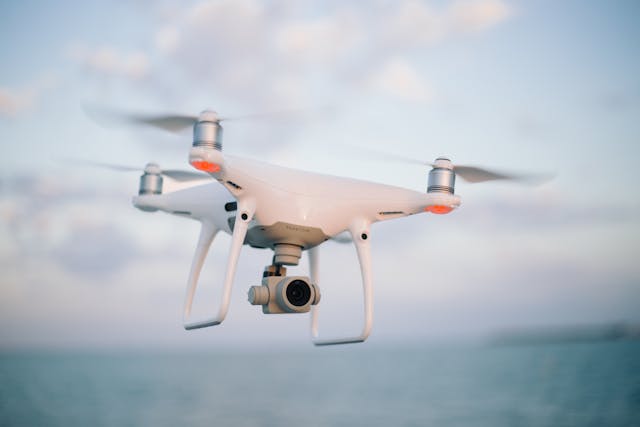

Drone-based healthcare services use unmanned aerial vehicles (UAVs) to transport medical supplies, diagnostic samples and emergency equipment quickly and safely. By flying above roads, traffic and difficult terrain, medical drones overcome long-standing logistical barriers in healthcare delivery. What began as pilot projects has now evolved into a reliable solution that is improving access, saving lives and strengthening health systems worldwide.
As healthcare systems face growing pressures from pandemics, climate disasters and rising demand, drones are emerging as a powerful tool to make healthcare faster, more resilient and more equitable.
How Drone-Based Healthcare Services Are Useful Today
1. Faster Emergency Medical Response
Time is critical during medical emergencies. Drones can deliver blood, antivenom, vaccines or life-saving medicines within minutes—often much faster than ambulances or ground transport. In cases such as trauma, childbirth complications or cardiac arrest, this speed can mean the difference between life and death.
In several countries, drones are already being used to deliver blood and emergency supplies to hospitals and remote clinics, dramatically reducing response times.
2. Reaching Remote and Difficult Areas
Many regions face challenges such as hilly terrain, poor roads or seasonal isolation due to floods and landslides. Drone-based healthcare services bypass these obstacles entirely. They ensure uninterrupted access to essential medical supplies in rural, tribal and island communities where traditional transport is slow or unreliable.
This has helped reduce healthcare inequality by bringing services closer to underserved populations.
3. Improving Diagnostic Services
Drones are increasingly used to transport diagnostic samples such as blood, sputum and test kits to laboratories. This reduces delays in diagnosis for diseases like tuberculosis, malaria and COVID-19. Faster diagnosis leads to earlier treatment, better outcomes and reduced disease spread.
Hospitals also benefit from quicker laboratory turnaround times, improving overall efficiency.
4. Supporting Disaster and Outbreak Response
During natural disasters, epidemics or public health emergencies, road networks are often damaged or congested. Medical drones can operate even when ground transport fails, delivering essential medicines, vaccines and emergency kits to affected areas.
They also support surveillance, mapping and assessment, helping authorities plan effective response strategies.
Benefits for the Health Sector
Drone-based healthcare services strengthen the health sector in several ways:
-
Reduce delivery time for critical supplies
-
Improve availability of blood, vaccines and medicines
-
Lower wastage of temperature-sensitive products
-
Strengthen emergency preparedness and response
-
Improve healthcare access in underserved regions
-
Reduce operational pressure on hospitals and logistics teams
By solving the “last-mile” delivery problem, drones enhance both efficiency and reliability in healthcare systems.
The Future of Drone-Based Healthcare Services
1. Integration into National Health Systems
In the future, drones are expected to become a permanent part of public healthcare infrastructure. Governments are likely to integrate drone networks into routine medical logistics, emergency services and vaccination programs, especially in hard-to-reach regions.
2. AI-Driven and Autonomous Operations
Advances in artificial intelligence, GPS navigation and communication networks will enable fully autonomous drone fleets. These systems will automatically plan routes, avoid obstacles and respond to emergencies in real time, allowing healthcare providers to scale services with minimal human intervention.
3. Expansion into Urban Healthcare
While drones are often associated with remote areas, their role in cities will grow. Urban healthcare systems may use drones for rapid delivery of lab samples, medicines and emergency equipment, reducing delays caused by traffic congestion.
4. Strengthening Health Security and Pandemic Preparedness
Future healthcare drones will play a key role in outbreak surveillance, vaccine distribution and emergency response during pandemics. By enabling rapid movement of supplies and samples, drones will help contain outbreaks before they escalate.
5. Economic and System-Wide Impact
Drone-based healthcare services are also cost-effective in the long term. Faster response times reduce hospital admissions, prevent complications and lower overall healthcare costs. They improve system resilience, protect healthcare workers and support continuity of care during crises.
Conclusion
Drone-based healthcare services are no longer experimental technologies—they are practical, life-saving tools that are reshaping modern healthcare delivery. By improving speed, access and resilience, drones address critical gaps in healthcare systems today while laying the foundation for a smarter, more prepared future.
As technology advances and regulations mature, medical drones will become an essential pillar of healthcare infrastructure—ensuring that quality care reaches people when and where it is needed most.