
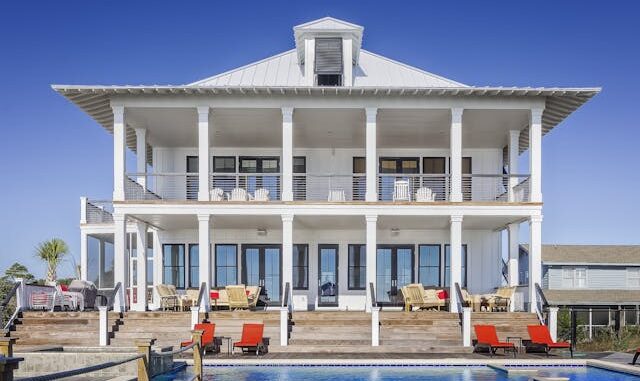

The construction industry in India is undergoing a major transformation. One of the most impactful innovations driving this change is prefabricated building solutions in India. As urbanization accelerates and the demand for faster, affordable, and sustainable construction grows, prefabrication has emerged as a practical answer.
Prefabricated buildings are structures manufactured off-site in controlled factory environments and then transported to the construction site for assembly. This method drastically reduces construction time, labor dependency, material wastage, and overall costs. From residential housing and commercial complexes to schools, hospitals, and industrial sheds, prefabrication is reshaping how India builds.
In this article, we’ll explore prefabricated building examples, materials, costs, taxation, manufacturers, and real-world applications—along with region-specific insights such as the prefabricated house in Odisha price list.
What Are Prefabricated Buildings?
Prefabricated buildings consist of standardized components such as walls, floors, roofs, and structural frames that are produced in factories and assembled on-site.
Key Characteristics
-
Factory-controlled manufacturing
-
Faster construction timelines
-
Consistent quality standards
-
Reduced environmental impact
-
Scalable and flexible designs
This approach is particularly valuable in regions where skilled labor shortages, weather constraints, or tight deadlines are common.
Prefabricated Building Examples Across Sectors
There are numerous prefabricated building examples across India that demonstrate the versatility of this construction method:
-
Residential Housing: Villas, affordable housing projects, worker accommodations
-
Commercial Buildings: Offices, retail outlets, showrooms
-
Healthcare Facilities: Modular hospitals, COVID-19 isolation wards
-
Educational Institutions: Schools, hostels, training centers
-
Industrial Structures: Warehouses, factories, cold storage units
These examples prove that prefabrication is not limited to temporary structures—it’s a permanent, high-quality solution.
Prefabricated Building Materials Used in India
The choice of prefabricated building materials directly affects durability, cost, and energy efficiency.
Commonly Used Materials
-
Structural Steel: High strength, seismic resistance
-
Precast Concrete Panels: Fire resistance, long lifespan
-
Sandwich Panels (PUF/EPS/Rockwool): Thermal and acoustic insulation
-
Light Gauge Steel Framing (LGSF): Lightweight, precision-engineered
-
Fiber Cement Boards & Gypsum Boards: Interior and exterior finishes
These materials ensure faster assembly while meeting Indian building codes and climatic requirements.
Prefabricated Building in India: Market Overview
The prefabricated building in India market has grown rapidly over the past decade. Government initiatives like Housing for All, Smart Cities Mission, and increased private sector adoption have accelerated acceptance.
Key Growth Drivers
-
Urban housing shortage
-
Rising labor costs
-
Demand for green and sustainable buildings
-
Industrial and infrastructure expansion
As awareness increases, prefabrication is moving from niche adoption to mainstream construction.
Prefabricated Structures Cost in India
One of the most common questions is about prefabricated structures cost in India.
Average Cost Range (Indicative)
| Structure Type | Cost per sq. ft. (INR) |
|---|---|
| Basic Residential | ₹1,200 – ₹1,800 |
| Premium Residential | ₹2,000 – ₹3,000 |
| Commercial Buildings | ₹1,500 – ₹2,500 |
| Industrial Sheds | ₹900 – ₹1,500 |
Costs vary based on materials, design complexity, location, and customization.
Prefabricated House in Odisha Price List: Regional Insight
The prefabricated house in Odisha price list is particularly attractive due to lower logistics and labor costs compared to metro cities.
Indicative Pricing in Odisha
-
1 BHK Prefab House: ₹6 – ₹8 lakhs
-
2 BHK Prefab House: ₹10 – ₹14 lakhs
-
3 BHK Prefab House: ₹15 – ₹20 lakhs
Odisha’s vulnerability to cyclones and floods also makes prefabricated, disaster-resilient housing an ideal solution.
Prefabricated Building Manufacturers in India
There are several reputed prefabricated building manufacturers in India offering turnkey solutions—from design to installation.
What Manufacturers Typically Offer
-
Customized architectural designs
-
Structural engineering & approvals
-
Factory fabrication
-
On-site assembly
-
After-sales support
When selecting a manufacturer, buyers should evaluate certifications, past projects, material quality, and warranty terms.
Prefabricated Building HSN Code and Taxation
Understanding the prefabricated building HSN code is important for taxation and compliance.
-
HSN Code: 9406
-
Description: Prefabricated buildings
-
GST Rate: Typically 18% (subject to project type and usage)
Correct classification ensures smooth invoicing, input tax credit claims, and regulatory compliance.
Prefabricated Building in India Case Study
A compelling prefabricated building in India case study comes from large-scale worker housing projects near industrial corridors. These projects reduced construction time by over 50% and achieved consistent quality across hundreds of units.
Key Outcomes
-
Faster occupancy
-
Lower lifecycle costs
-
Improved worker living standards
-
Minimal site disruption
Such case studies highlight why both government and private players are embracing prefabrication.
Advantages of Prefabricated Building Solutions in India
-
Speed: Up to 60% faster construction
-
Cost Control: Predictable budgets
-
Quality Assurance: Factory precision
-
Sustainability: Reduced waste and emissions
-
Flexibility: Easy expansion and relocation
These benefits make prefabricated building solutions in India ideal for modern infrastructure demands.
Challenges and Limitations
Despite its advantages, prefabrication faces some challenges:
-
Initial design planning is critical
-
Transportation logistics for large modules
-
Limited awareness in rural areas
-
Perception of “temporary” construction
However, these barriers are steadily diminishing with improved technology and awareness.
Future of Prefabricated Buildings in India
The future looks promising. With advancements in BIM, automation, and green materials, prefabrication is set to become a dominant construction method. Experts predict significant market growth over the next decade, especially in affordable housing and infrastructure projects.
Frequently Asked Questions (FAQs)
1. Are prefabricated buildings permanent?
Yes, modern prefabricated buildings are designed for long-term use and durability.
2. Is a prefabricated building cheaper than traditional construction?
In most cases, yes—especially when factoring in time savings and reduced labor costs.
3. What is the lifespan of a prefabricated building?
Typically 30–60 years or more, depending on materials and maintenance.
4. Can prefabricated houses withstand Indian weather conditions?
Yes, they are engineered for local климат, including heat, rain, and seismic zones.
5. Is financing available for prefabricated houses in India?
Many banks and NBFCs now offer loans for approved prefabricated housing projects.
6. Are prefabricated buildings eco-friendly?
Absolutely. They generate less waste and often use energy-efficient materials.
Conclusion
Prefabrication is no longer a futuristic concept—it is a practical, proven, and scalable construction solution. From cost efficiency and speed to sustainability and quality, prefabricated building solutions in India offer unmatched advantages. Whether you’re exploring prefabricated building examples, evaluating prefabricated structures cost in India, or researching a prefabricated house in Odisha price list, the message is clear: prefabrication is shaping the future of Indian construction.