

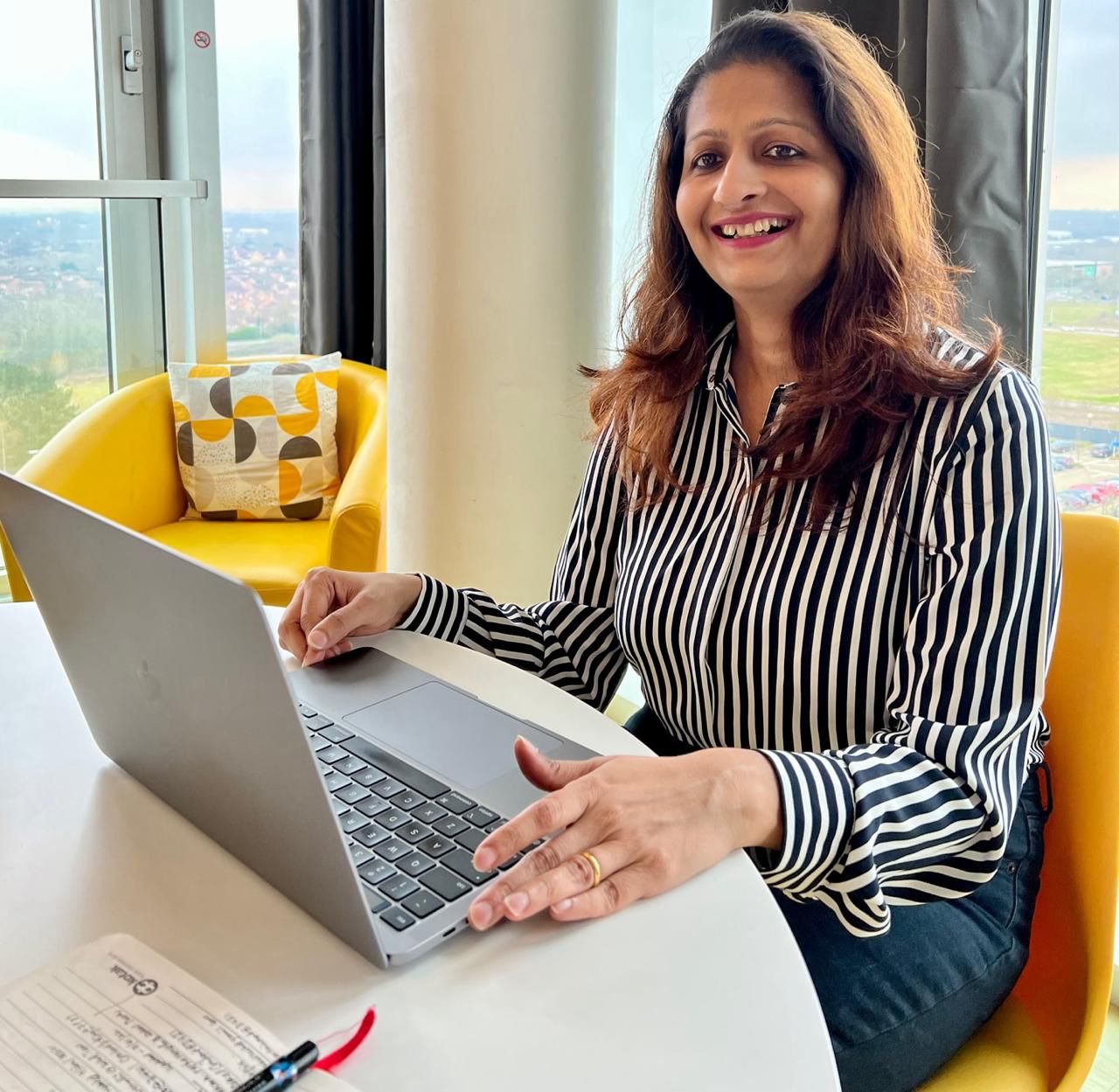
By- Ms. Hemlatha R, Co-Founder and CHRO- Sekel Tech
Hiring practices are changing more rapidly than they have in decades. The use of artificial intelligence is no longer restricted to the tech sector. Instead, it is changing how businesses in all sectors hire, assess, and manage employees. As this shift accelerates, executives have begun to ask the question: are we hiring for the right reasons?
AI in the workplace: Beyond the fear
AI and job displacement have become synonymous in the minds of many, but the situation is a bit more complex. Rapid changes in job tasks through automation, generative AI, and machine learning have created a great deal of uncertainty. What jobs will be eliminated? What skills will be needed? Is the job market growing or shrinking?
The reality is more nuanced than the headlines suggest. AI is not going to eliminate jobs, but transform them. The market is not going to collapse, but is rather going to restructure the types of jobs available. Repetitive, task-based work is being automated, while demand is growing for roles that require critical thinking, adaptability, creativity, and interpersonal intelligence. Companies that realize this shift will have the greatest chance of remaining competitive in the rapidly changing environment of automation.
The World Economic Forum claims that although AI and automation will result in the loss of some jobs, they will also create millions of new opportunities in the tech, data, green energy, and care sectors. The problem is not that there will be a lack of jobs in the future, but that there will be lack of people with the right skills to match the opportunity.
The limits of traditional hiring
For decades, hiring has focused on a limited range of filters such as degrees, job titles, tenure, institutional prestige, and so on. These indicators have acted as proxies for ability in the absence of better methodology. They have also always been problematic, and in the pace of the present economy, they have become even more inadequate.
Traditional hiring, in many ways, had already begun to show signs of becoming obsolete even before the advent of AI. SMEs in particular have long been compelled to explore alternative approaches such as identifying candidates from lesser-known colleges or institutes who demonstrate a proactive, creative approach to work along with the required skill sets. Such organisations have had to constantly evolve and innovate in how they attract and assess talent, often working within budget constraints.
A degree from a highly ranked institution does not guarantee one’s ability to adapt. Experience continues to hold value, though its true impact lies in how effectively it translates across new environments and evolving challenges. A pristine CV does not speak of one’s ability to solve problems, collaborate, or to learn.
The drawbacks of traditional hiring practices are well documented. They have been shown to favour candidates from certain social and economic backgrounds, educational systems, or geographical regions, thereby unjustly excluding able talent from the labour market.
A skills-first approach: What it means
A skills-first hiring model looks at your skills first instead of your credentials. This model shifts the dialogue from where did you study to what can you do? Rather than filtering applicants by job titles, they map the competencies to the requirements of the roles.
This approach is not entirely new, but AI has made it scalable and practical for the first time. Hiring tools powered by AI can assess individuals against structured tasks and simulations, identify transferable skills from non-traditional careers, and reduce bias during screening and shortlisting, and role assignment based on potential instead of prior experience.
For employers, this is an opportunity to access a large and more diverse pool of potential employees. For applicants, especially those from non-traditional backgrounds, the opportunity to gain employment has become more equitable.
The skills that matter most
The advancement of AI is making certain human skills more valuable. Across all industries, the skills that are most in demand are the ability to adapt and learn new things. The ability to convey ideas across teams and functions, solve complex problems and exercise high level analytical reasoning, possess emotional intelligence and work collaboratively, demonstrate digital fluency, and effective communication are the skill sets that makes a candidate stand out.
Significantly, while many of these skills are shaped through experience, formal education plays a crucial role in building foundational knowledge, discipline, and structured thinking.
The road ahead
AI is reshaping the market in different ways; some roles will be irrevocably altered, while others will be created even before being named. While hiring practices are evolving, a formal degree remains an important indicator of domain knowledge and the ability to approach work in a structured and disciplined manner.
In addition to the recruitment of new staff, this approach will facilitate the retraining and restructuring of the existing workforce. The organisations that will lead in the next decade are not those with the largest hiring budgets, but those with the most thoughtful approach to human potential.
The new era of hiring is an opportunity to find better talent, build more inclusive teams, and create workplaces that are genuinely prepared for what comes next. With the right approach, AI is a powerful enabler of that future.
