
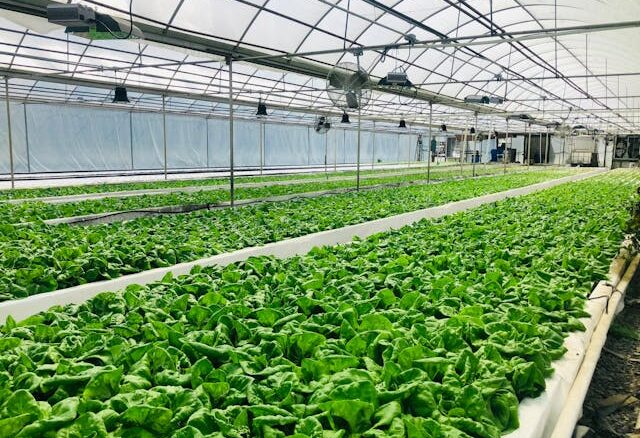

Agriculture is no longer just about soil, seasons, and manual labour. It is rapidly evolving into a technology-driven ecosystem where data, automation, and artificial intelligence are becoming as important as sunlight and water. At the centre of this transformation is a powerful concept: vertical farming powered by AI and smart technologies.
This shift is not just an upgrade in farming methods—it represents a fundamental rethinking of how food is grown, especially in a world facing land scarcity, climate uncertainty, and rising food demand.
What Is Vertical Farming in Modern Agriculture?
Vertical farming is a modern agricultural method where crops are grown in stacked layers or vertically arranged systems, often inside controlled environments such as buildings, warehouses, or greenhouses.
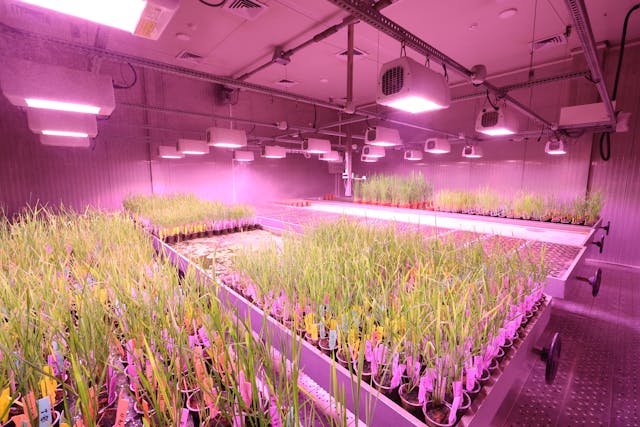
Instead of spreading crops across large fields, plants are grown upward using:
- Shelved or stacked structures
- Controlled lighting systems (often LED-based)
- Soil-free techniques like hydroponics or aeroponics
- Precise climate control systems
In simple terms:
Vertical farming means growing more food in less space using controlled technology instead of depending on open land and weather conditions.
Why Vertical Farming Matters in Today’s Agriculture
The importance of vertical farming is growing because traditional agriculture is under pressure.
1. Land scarcity is increasing
- Urban expansion is reducing farmland
- Population growth is increasing food demand
- Vertical farming produces more in less space
2. Climate change is disrupting farming
- Irregular rainfall affects crop cycles
- Extreme weather damages harvests
- Controlled environments reduce weather dependency
3. Water usage needs to be reduced
- Agriculture consumes a large share of freshwater
- Vertical farming uses significantly less water through recycling systems
4. Urban food demand is rising
- Cities need fresh produce close to consumption points
- Vertical farms can operate inside or near urban centres
How AI Is Powering Modern Farming Systems
Artificial Intelligence is the “brain” behind modern farming innovation. It helps farmers move from guesswork to precision-based decision-making.
1. Smart Crop Monitoring
- AI cameras detect plant health in real time
- Early signs of disease or nutrient deficiency are identified
- Continuous monitoring improves crop survival rates
2. Predictive Agriculture
- AI predicts yield outcomes based on growth patterns
- Weather data is analysed for planning harvest cycles
- Risk of crop failure is reduced
3. Precision Farming
- Water, nutrients, and fertilisers are delivered in exact amounts
- Reduces waste and improves efficiency
- Supports sustainable resource usage
4. Automated Farm Management
- Climate systems adjust temperature and humidity automatically
- Irrigation systems run based on sensor data
- Reduces dependence on manual labour
Latest Technologies Driving Agricultural Transformation
Modern farming is now powered by a combination of advanced tools:
AI and Machine Learning
- Crop disease detection
- Yield prediction models
- Smart decision-making systems
IoT (Internet of Things) Sensors
- Soil moisture tracking
- Real-time environmental monitoring
- Data-driven farm control
Drones in Agriculture
- Crop surveillance from above
- Soil and field mapping
- Precision spraying of fertilisers
Hydroponics & Aeroponics
- Soil-free farming methods
- Nutrient-rich water or mist systems
- Faster growth cycles and higher productivity
Smart Greenhouses
- Controlled lighting and ventilation
- Automated climate regulation
- Year-round crop production
Robotics in Farming
- Automated planting and harvesting
- Sorting and packaging systems
- Reduced manual workload
Why This Transformation Is Critical for Agriculture
This shift toward AI-driven and vertical farming is not just technological—it is strategic for global food security.
1. Higher productivity with fewer resources
- More crops per square meter
- Reduced water and fertiliser usage
- Efficient land utilisation
2. Climate resilience
- Farming continues regardless of weather conditions
- Reduced risk from droughts and floods
3. Food security for growing populations
- Stable and predictable crop production
- Reduced dependence on seasonal cycles
4. Sustainable agriculture
- Lower environmental impact
- Reduced pesticide and chemical usage
- Energy-efficient food production systems
Impact on the Agriculture Sector
The agriculture sector is gradually shifting from traditional labour-heavy systems to technology-integrated farming ecosystems.
- Farmers are becoming “agri-tech operators”
- Data and analytics are becoming essential tools
- Farming is moving closer to urban and industrial systems
- New employment opportunities are emerging in agri-tech, AI farming, and controlled agriculture
This transition is especially important for countries with large populations and limited arable land, where productivity must increase without expanding farmland.
Conclusion: Farming Enters the Intelligence Era
Vertical farming and artificial intelligence are not replacing agriculture—they are redefining it. The future of farming is no longer limited by land or weather but shaped by innovation, data, and intelligent systems.
In this new era, agriculture is becoming more precise, more sustainable, and more resilient. What was once a purely manual activity is now evolving into a high-tech ecosystem where machines, data, and human expertise work together to feed the future.