
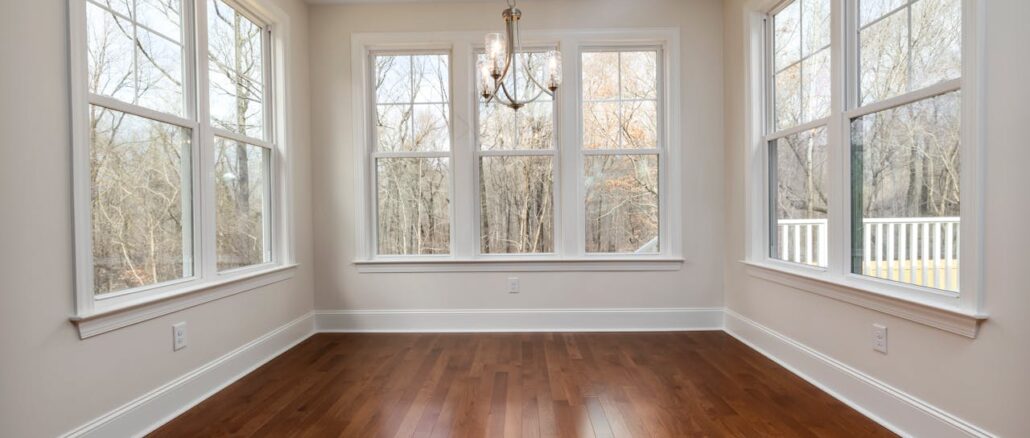

Windows are one of the most important features of any home because they directly affect comfort, energy efficiency, natural lighting, ventilation, and overall aesthetics. Over time, however, windows begin to lose their performance due to aging materials, seal failure, drafts, and general wear and tear. When this happens, homeowners often start noticing rising energy bills, uncomfortable indoor temperatures, condensation between glass panes, and difficulty opening or closing windows. In such situations, investing in vinyl window replacement becomes one of the most practical and cost-effective ways to restore comfort and efficiency in a home.
Modern vinyl windows have become a popular choice among homeowners because they offer a strong balance of durability, insulation, affordability, and low maintenance. Unlike older wooden or aluminum frames, vinyl frames do not easily warp, rust, or require constant repainting. Instead, they maintain their structure and appearance for many years with minimal upkeep. This makes them an ideal solution for homeowners looking to improve both performance and aesthetics without ongoing maintenance demands.
Upgrading old windows is not just about appearance; it is a long-term investment in energy savings and indoor comfort. Poorly insulated or damaged windows can account for a significant portion of heat loss in winter and heat gain in summer. By replacing outdated windows with modern vinyl systems, homeowners can significantly improve energy efficiency and create a more stable indoor environment throughout the year.
Understanding the Role of Windows in Home Performance
Windows serve multiple essential functions in a home. They allow natural light to enter, provide ventilation, enhance architectural beauty, and contribute to energy regulation. When windows are functioning properly, they help maintain a balance between indoor and outdoor conditions. However, when they deteriorate, they can become a major source of energy loss and discomfort.
One of the most important roles of windows is thermal insulation. High-quality windows help reduce heat transfer between the inside and outside of a home. This means that during hot weather, they help keep heat out, and during colder months, they help retain warmth inside. Older windows with single-pane glass or damaged seals often fail in this regard, leading to higher energy consumption and increased utility bills.
Windows also contribute to sound insulation. Homes located near busy roads, markets, or urban areas often experience unwanted noise infiltration. Modern vinyl-framed windows with double or triple glazing significantly reduce outside noise, creating a quieter and more peaceful indoor environment.In addition, windows play an important role in ventilation. Proper airflow helps regulate indoor air quality, reduce moisture buildup, and prevent issues such as mold growth. Functional and well-designed windows allow homeowners to easily control airflow based on seasonal needs.
Signs That Indicate You Need New Windows
Many homeowners do not immediately realize when their windows are no longer performing efficiently. Instead of replacing them, they often try temporary fixes such as sealing gaps or repairing hardware. While these solutions may offer short-term relief, they do not address underlying structural issues.
One of the most common signs of window failure is noticeable drafts. If you feel cold air entering during winter or warm air leaking in during summer, it usually means the window seals have deteriorated. This leads to increased strain on heating and cooling systems.
Condensation between glass panes is another clear indicator of seal failure. This typically occurs in double-pane windows when the insulating gas escapes and moisture enters the space between panes. Once this happens, the insulating performance of the window is significantly reduced.Difficulty in opening or closing windows is also a warning sign. Over time, frames may warp or hardware may wear out, making operation difficult or unsafe. This not only affects convenience but also poses a safety risk during emergencies.
Visible damage such as cracked frames, peeling paint, or rotting wood around window edges indicates that the structural integrity of the window has been compromised. In such cases, repair is often not sufficient, and full vinyl window replacement becomes the more reliable solution.Rising energy bills without any significant change in usage patterns can also indicate inefficient windows. When windows fail to properly insulate the home, HVAC systems must work harder to maintain temperature, leading to increased energy consumption.
Why Vinyl Windows Are a Popular Choice
Vinyl windows have become one of the most widely used window options in modern residential construction due to their durability, affordability, and energy efficiency. Unlike traditional wood frames, vinyl does not require regular painting or sealing. It is resistant to moisture, pests, and corrosion, making it a long-lasting solution for various climates.
One of the key advantages of vinyl windows is their excellent insulation performance. Vinyl frames are designed to reduce heat transfer, which helps maintain consistent indoor temperatures. When combined with double or triple-pane glass, they provide superior energy efficiency compared to older window types.
Another important benefit is low maintenance. Homeowners do not need to worry about repainting, sanding, or treating vinyl frames. Regular cleaning with mild soap and water is usually sufficient to maintain their appearance.
Vinyl windows are also highly versatile in terms of design. They are available in a wide range of colors, styles, and finishes, allowing homeowners to match them with different architectural themes. Whether a home has a modern, traditional, or contemporary design, vinyl windows can complement the overall aesthetic. Cost-effectiveness is another major reason for their popularity. Compared to wood or fiberglass alternatives, vinyl windows are generally more affordable while still offering strong performance and durability. This makes them an attractive option for homeowners working within a budget.
Energy Efficiency Benefits of Modern Window Systems
Energy efficiency is one of the most important considerations for homeowners today. Heating and cooling costs continue to rise, making it essential to invest in building components that reduce energy consumption. Windows play a significant role in determining how efficiently a home retains or loses heat.
Modern vinyl windows are designed with advanced insulation technologies that significantly reduce energy loss. Multi-chambered frames and insulated glass units help minimize heat transfer, keeping indoor temperatures more stable throughout the year.
Low-emissivity (Low-E) glass coatings are often used in modern windows to reflect infrared heat while allowing natural light to pass through. This helps keep homes cooler in the summer and warmer in the winter without blocking sunlight.
Proper sealing and installation also play a crucial role in energy performance. Even high-quality windows can underperform if they are not installed correctly. Professional installation ensures airtight sealing, preventing drafts and moisture infiltration. By upgrading to energy-efficient windows through vinyl window replacement, homeowners can reduce heating and cooling costs, improve indoor comfort, and decrease their environmental impact over time.
Different Styles of Vinyl Windows
Vinyl windows are available in several styles, each offering unique benefits depending on functionality, ventilation needs, and architectural design.
Double-hung windows are one of the most common styles. They feature two operable sashes that move vertically, allowing for flexible ventilation and easy cleaning. These windows are ideal for traditional home designs. Casement windows are hinged on one side and open outward like a door. They provide excellent ventilation and a tight seal when closed, making them highly energy efficient.
Sliding windows operate horizontally and are ideal for spaces with limited exterior clearance. They are easy to use and offer a wide viewing area. Awning windows are hinged at the top and open outward from the bottom. They are often used in areas where ventilation is needed, even during light rain.
Picture windows are fixed and do not open. Their primary purpose is to provide unobstructed views and maximize natural light. They are often combined with operable windows for functionality.
Financial Advantages of Replacing Old Windows
Although replacing windows requires an upfront investment, the long-term financial benefits often outweigh the initial cost. One of the most significant advantages is reduced energy bills. Efficient windows help maintain indoor temperature, reducing the need for constant heating or cooling.
In addition to energy savings, new windows can increase property value. Homes with modern, energy-efficient windows are more attractive to potential buyers and often sell faster in the real estate market. Maintenance savings also contribute to long-term financial benefits. Older wooden windows often require regular painting, sealing, and repairs. Vinyl windows eliminate many of these maintenance costs, saving homeowners both time and money.
Some homeowners may also benefit from tax incentives or rebates depending on local energy efficiency programs. These incentives encourage upgrades that improve environmental sustainability.
Importance of Professional Installation
Proper installation is critical for ensuring that windows perform as intended. Even the highest-quality windows will fail to deliver optimal performance if installed incorrectly. Professional installers ensure accurate measurements, proper sealing, and secure fitting.
Incorrect installation can lead to air leaks, water infiltration, and reduced energy efficiency. Over time, these issues can cause structural damage and increase repair costs. Professional installers also ensure that windows comply with manufacturer guidelines, which is important for maintaining warranty coverage. Many warranties are void if installation is not performed by certified professionals.
In addition, experienced installers can identify underlying structural issues around window frames, such as rot or moisture damage, and address them before installation begins.
Maintenance Tips for Long-Lasting Performance
Although vinyl windows require minimal maintenance, regular care helps extend their lifespan and maintain their appearance. Cleaning frames and glass periodically prevents dirt buildup and keeps windows looking new. Inspecting seals and caulking around windows can help identify early signs of wear or damage. Re-sealing small gaps promptly prevents air leaks and moisture infiltration.
Keeping track of and moving parts clean ensures smooth operation and prevents mechanical issues. Lubricating hardware occasionally can also improve performance. Trimming nearby vegetation prevents scratches and reduces moisture buildup around window frames, helping maintain long-term durability.
Final Thoughts on Modern Window Upgrades
With improved insulation, low maintenance requirements, and enhanced durability, vinyl windows have become a preferred choice for homeowners looking to upgrade their properties. A properly executed vinyl window replacement project not only improves energy efficiency but also enhances aesthetics and increases overall home value.
Windows play a crucial role in defining the comfort, efficiency, and appearance of a home. When they become outdated or damaged, they can negatively impact energy costs, indoor comfort, and overall property value. Upgrading to modern vinyl systems offers a practical and cost-effective solution that addresses these issues while providing long-term benefits.
By choosing the right style, ensuring professional installation, and maintaining windows properly, homeowners can enjoy lasting performance and comfort for many years while reducing long-term expenses and improving the overall quality of their living space.