
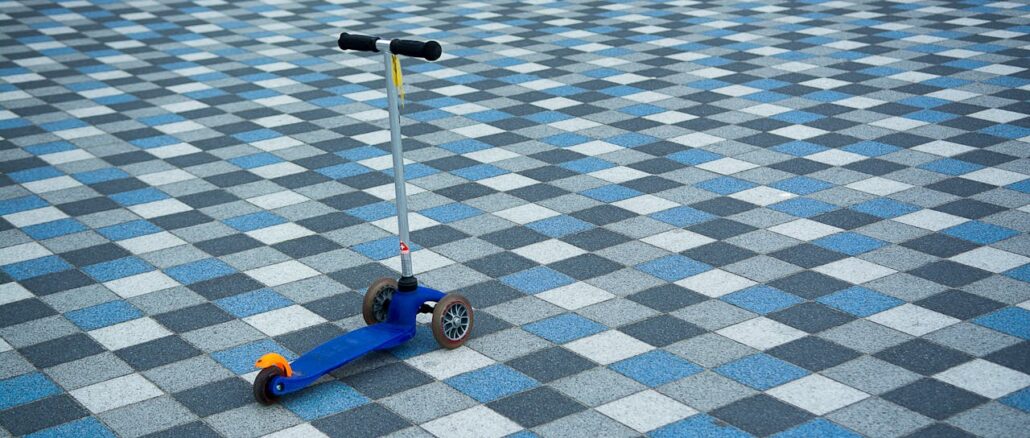

Creating an inviting outdoor environment is no longer considered a luxury reserved for large homes or expensive properties. Modern homeowners now recognize that a thoughtfully designed exterior can become an extension of indoor living, offering comfort, beauty, and functionality throughout the year. Whether someone enjoys hosting family gatherings, relaxing with a book during quiet evenings, or creating a safe recreational area for children, the structure and layout of an outdoor surface play a major role in shaping the overall experience. One of the most effective ways to elevate an exterior setting is through the strategic use of durable materials, balanced landscaping, and practical design choices that combine aesthetics with performance. Among the many options available today, patio pavers continue to stand out because they offer flexibility, visual appeal, and long-term value for homeowners seeking a refined outdoor transformation.
The Growing Importance of Outdoor Living Design
In recent years, outdoor living spaces have become a central focus in residential design. Homeowners are investing more time and resources into creating areas that support both entertainment and relaxation. A well-designed outdoor setting not only increases the usability of a property but also enhances its market value and overall appearance. The concept of extending daily activities beyond interior walls has inspired creative approaches that blend architecture with natural surroundings in a seamless and attractive way.
An outdoor area should never feel disconnected from the rest of the property. Instead, it should reflect the same style, comfort, and personality found inside the home. This harmony can be achieved through coordinated textures, complementary colors, and carefully selected materials that withstand changing weather conditions while maintaining their visual charm. The success of an outdoor project often depends on how effectively the surface material contributes to both function and style. Smooth transitions between pathways, seating areas, gardens, and entertainment zones create a cohesive atmosphere that encourages frequent use.
Beyond aesthetics, practicality remains equally important. Outdoor surfaces must endure foot traffic, temperature fluctuations, moisture exposure, and natural wear without losing structural integrity. Choosing high-quality materials from the beginning reduces maintenance concerns and prevents unnecessary repairs in the future. Durability, safety, and ease of installation all contribute to a successful project that continues to look impressive for many years.
Choosing the Right Surface Material for Lasting Results
Selecting the appropriate material for an exterior project requires careful consideration of several factors, including climate conditions, intended usage, design preferences, and long-term maintenance expectations. Some homeowners prioritize a natural and rustic appearance, while others prefer modern and symmetrical layouts that complement contemporary architecture. The chosen surface should align with the property’s overall theme while also delivering reliability and comfort.
Concrete remains a popular option due to its affordability and versatility, yet many people seek alternatives that provide more visual depth and texture. Natural stone offers timeless elegance but often comes with higher installation costs and additional maintenance requirements. Brick surfaces deliver a traditional appearance that works well in classic settings, though they may shift over time if not installed correctly. Composite materials have also gained attention because they mimic natural textures while offering improved durability and resistance to environmental stress.
The key to achieving a successful outdoor transformation lies in balancing appearance with functionality. Materials that crack easily, become slippery during rain, or fade quickly under sunlight may create problems despite their initial beauty. Homeowners should consider not only how a surface looks immediately after installation but also how it will perform years later. Long-term satisfaction often depends on selecting materials that maintain their structure and appearance with minimal effort.
Many designers recommend integrating textures and patterns that enhance visual interest without overwhelming the space. Contrasting borders, geometric arrangements, and subtle color variations can dramatically improve the overall atmosphere of an outdoor setting. In many modern projects, patio pavers are selected because they allow for creative flexibility while providing strength and resilience under everyday use. Their ability to blend with gardens, furniture, lighting elements, and water features makes them a preferred choice for individuals seeking both elegance and practicality.
Enhancing Comfort and Functionality Through Smart Layouts
An outdoor area should be more than visually attractive; it must also support comfortable movement and purposeful use. The layout of a space significantly influences how people interact with it. Poorly planned designs can feel cramped, disconnected, or difficult to navigate, whereas a thoughtfully organized arrangement creates balance and convenience.
One effective strategy involves dividing outdoor spaces into separate functional zones. Dining areas, lounge sections, cooking stations, and pathways should each have a distinct purpose while still maintaining visual continuity. Clear boundaries can be established through variations in texture, elevation, lighting, or landscaping features. This approach helps maximize available space while making the environment more organized and enjoyable.
Furniture placement also plays an essential role in achieving comfort and practicality. Oversized furniture can overwhelm smaller spaces, while minimal seating may limit functionality for social gatherings. Selecting weather-resistant furniture that complements the surrounding design enhances both appearance and usability. Adding shade structures such as pergolas, umbrellas, or covered sections further increases comfort during hot weather conditions.
Lighting should never be overlooked when designing an exterior setting. Proper illumination improves safety, highlights architectural features, and creates a warm atmosphere during evening hours. Soft lighting around pathways and seating areas can dramatically transform the mood of an outdoor environment. Combining natural elements like plants and decorative stone with strategic lighting creates a balanced and inviting appearance that feels sophisticated without appearing excessive.
Drainage planning is another crucial consideration that directly impacts the longevity of outdoor surfaces. Poor water management can lead to erosion, pooling, and structural instability over time. Proper grading and drainage systems ensure that rainwater flows away efficiently, preserving the integrity of the installation and preventing costly repairs. Investing in professional planning at the beginning often saves significant time and money later.
The Role of Color, Texture, and Patterns in Exterior Design
Visual harmony is one of the most important aspects of successful outdoor design. The colors, textures, and patterns used throughout a space influence how large, comfortable, and welcoming it feels. Neutral tones often create a timeless appearance that complements a wide range of architectural styles, while darker shades add sophistication and depth. Earth-inspired colors remain especially popular because they blend naturally with greenery and outdoor surroundings.
Texture contributes another layer of visual and physical appeal. Smooth surfaces create a sleek and contemporary atmosphere, whereas rougher textures offer a more natural and rustic character. Combining multiple textures within the same design can prevent monotony and introduce subtle complexity that enhances the overall environment.
Patterns are equally influential in defining the personality of a space. Linear arrangements create a sense of order and modernity, while circular or irregular patterns add movement and creativity. The selection of pattern styles should reflect both the architectural theme of the property and the desired emotional atmosphere. Balanced designs often incorporate repetition and symmetry to maintain consistency throughout the area.
Many homeowners choose layered designs that integrate multiple materials to create dimension and visual contrast. Decorative borders, accent strips, and mixed textures can elevate an otherwise simple space into a highly customized outdoor retreat. When carefully coordinated, these details contribute to a polished appearance that feels intentional and professionally designed.
The flexibility offered by modern surface solutions allows homeowners to personalize their spaces according to individual preferences. Because of this adaptability, patio pavers have become increasingly popular among designers aiming to achieve both decorative elegance and structural durability. Their wide variety of shapes, colors, and finishes makes it possible to create designs that range from traditional charm to contemporary sophistication.
Long-Term Maintenance and Preservation Strategies
Maintaining an outdoor surface properly is essential for preserving both appearance and functionality over time. Even the most durable materials require regular attention to protect against environmental exposure, dirt accumulation, and natural aging. Fortunately, consistent maintenance does not necessarily require expensive treatments or complicated procedures. Most outdoor surfaces remain attractive for years when cared for through routine cleaning and preventative measures.
Sweeping debris regularly helps prevent staining and surface deterioration caused by trapped moisture and organic matter. Seasonal washing removes dirt, algae, and residue that may accumulate due to weather changes. In areas exposed to heavy rainfall or snow, ensuring effective drainage becomes especially important for preventing erosion and structural movement.
Protective sealants can also improve resistance against moisture, fading, and staining. While not every material requires sealing, many homeowners find that periodic protective treatments help maintain color vibrancy and overall durability. It is equally important to inspect joints and edges periodically for signs of shifting or damage. Addressing small issues early prevents them from developing into larger structural problems that may require extensive repairs.
Landscaping maintenance contributes significantly to the longevity of exterior surfaces as well. Overgrown roots, excessive moisture from irrigation systems, and accumulated leaves can negatively impact surrounding materials. Keeping plants trimmed and ensuring proper spacing between vegetation and hard surfaces minimizes unnecessary stress on the installation.
Increasing Property Appeal Through Exterior Improvements
One reason many property owners appreciate patio pavers is that individual units can often be replaced without disturbing the entire surface. This practical advantage simplifies maintenance and allows damaged sections to be repaired efficiently while preserving the original appearance of the design. Such flexibility makes long-term care more manageable and cost-effective compared to some traditional surface options.Exterior upgrades have a direct impact on property value and overall curb appeal. A well-maintained outdoor setting creates a strong first impression and demonstrates attention to detail throughout the property. Buyers are increasingly attracted to homes that offer functional and aesthetically pleasing outdoor environments because they provide additional living and entertainment opportunities.
Professional exterior improvements often deliver substantial returns on investment, particularly when designs focus on durability, low maintenance, and timeless style. Outdoor dining areas, elegant walkways, fire features, and comfortable seating arrangements can significantly enhance a property’s desirability. Even relatively simple upgrades can dramatically improve visual appeal when executed thoughtfully.
The emotional impact of a beautiful outdoor environment should not be underestimated. Comfortable and visually balanced spaces encourage relaxation, social interaction, and a stronger connection with nature. Whether used for quiet reflection or lively gatherings, a carefully designed exterior setting enriches daily living experiences in meaningful ways.
Sustainability has also become an important consideration in modern outdoor design. Many homeowners now seek environmentally responsible materials and practices that reduce water consumption, support drainage efficiency, and minimize long-term environmental impact. Integrating sustainable landscaping with durable surface solutions creates spaces that are both beautiful and environmentally conscious.
The evolution of outdoor living trends continues to inspire innovative design concepts that prioritize comfort, beauty, and practicality. Homeowners who invest in high-quality materials and thoughtful planning often enjoy outdoor spaces that remain functional and visually impressive for decades.
Creating an Outdoor Space That Reflects Personal Style
Every outdoor environment should reflect the personality and lifestyle of the people who use it. Some individuals prefer minimalist designs with clean lines and modern aesthetics, while others enjoy lush gardens and rustic textures that create a warm and natural atmosphere. The most successful projects are those that balance personal taste with practical functionality.
Customization opportunities have expanded significantly in recent years, allowing homeowners to create highly personalized outdoor settings tailored to specific activities and preferences. Integrated seating, decorative lighting, water features, and creative landscaping elements all contribute to a unique and memorable environment. Careful planning ensures that every component works together cohesively rather than competing for attention.
The process of designing an exterior space requires patience, creativity, and attention to detail. From selecting materials to organizing layouts and coordinating decorative features, every decision influences the final result. Investing time in thoughtful planning often leads to a more satisfying and durable outcome that continues to provide enjoyment over the years.
As outdoor living continues to evolve, homeowners increasingly recognize the importance of creating spaces that support comfort, beauty, and versatility. Durable surfaces, balanced landscaping, and elegant design choices all contribute to environments that feel welcoming and refined. For those seeking a combination of strength, adaptability, and timeless appeal, patio pavers remain one of the most effective solutions for transforming ordinary outdoor areas into extraordinary living spaces.