
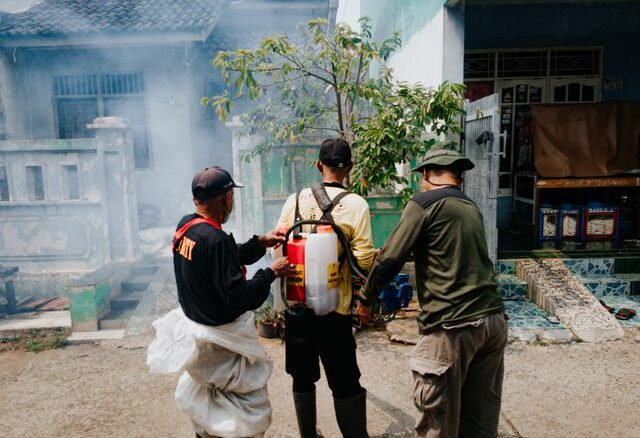

Keeping a home free from unwanted infestations requires more than reacting when insects or rodents become visible. Many homeowners assume that occasional treatments are enough to maintain a comfortable living environment, but recurring infestations often develop because the underlying causes remain unchanged. Long-term protection requires a proactive strategy that addresses risks before they become serious problems.
Pests are attracted to homes for a variety of reasons, including food availability, moisture, shelter, and easy access points. Even properties that appear clean and well-maintained can provide hidden opportunities for infestation. Without a consistent prevention plan, these conditions may continue attracting unwanted activity throughout the year.
A long-term approach helps homeowners reduce infestation risks while creating a safer and more comfortable environment. By combining inspections, maintenance, sanitation, and seasonal preparation, households can strengthen their defenses and reduce the likelihood of recurring problems.
Why Prevention Is More Effective Than Reaction
Many infestations begin long before homeowners notice visible signs. Insects and rodents often remain hidden behind walls, beneath floors, and inside storage areas where activity continues unnoticed. By the time pests become visible, populations may already be well established.
Reactive treatment focuses on eliminating existing activity, while prevention aims to reduce the conditions that attract pests in the first place. Addressing vulnerabilities early often minimizes disruption and helps homeowners avoid more extensive infestations later.
Agile Pest Control encourages homeowners to adopt preventive strategies because consistent attention to risk factors often provides more reliable results than responding only after problems appear.
Understanding Why Infestations Return
Recurring infestations frequently occur because the conditions supporting pest activity remain unchanged after treatment. Food sources, moisture issues, and structural vulnerabilities may continue attracting insects and rodents even when visible populations have been reduced.
Small openings around doors, foundations, utility lines, and windows often allow repeated access to the property. These entry points may seem insignificant, but they can provide reliable pathways for pests throughout the year.
Successful Pest Control depends on identifying and correcting these underlying issues. Long-term prevention becomes far more effective when homeowners focus on both treatment and environmental management.
The Importance of Routine Inspections
Regular inspections are one of the most valuable tools in any prevention plan. Evaluating vulnerable areas helps homeowners identify warning signs before infestations become severe. Early detection often allows for quicker and more manageable solutions.
Basements, attics, garages, crawl spaces, and storage areas deserve particular attention because they provide shelter and concealment. Exterior inspections are equally important because many infestations begin outside before spreading indoors.
Routine evaluations help homeowners stay aware of changing conditions and respond before small concerns become larger problems.
Managing Moisture to Reduce Pest Activity
Moisture attracts many common household pests because damp environments provide ideal conditions for survival and reproduction. Leaking pipes, standing water, clogged gutters, and poor ventilation all contribute to increased risk.
Basements and crawl spaces are especially vulnerable due to limited airflow and elevated humidity levels. These conditions can create hidden environments where pests thrive without being noticed. Moisture problems may also weaken building materials, creating additional vulnerabilities.
Agile Pest Control often recommends moisture management as a core component of long-term prevention. Addressing water-related issues helps create a less attractive environment for unwanted activity.
Why Sanitation Plays a Critical Role
Food availability is one of the strongest factors influencing pest behavior. Even small crumbs, spills, or improperly stored food can attract insects and rodents. Kitchens, dining areas, and pantry spaces require consistent attention to minimize these risks.
Daily cleaning habits help reduce the resources pests depend on to survive. Sealing food containers, removing trash regularly, and cleaning surfaces promptly after meals all contribute to stronger household protection.
Outdoor sanitation is equally important. Garbage bins should remain closed, and food waste should not accumulate near entry points. Reducing food access indoors and outdoors strengthens overall Pest Control efforts.
Creating Seasonal Prevention Strategies
Different pests become active during different times of the year. Seasonal planning allows homeowners to address vulnerabilities before activity increases. This proactive approach often reduces the likelihood of recurring infestations.
Spring and summer typically bring increased insect activity as temperatures rise and breeding cycles accelerate. Fall and winter often encourage rodents and other pests to move indoors seeking warmth and shelter. Preparing for these seasonal shifts helps reduce risk.
Agile Pest Control emphasizes adapting prevention strategies throughout the year because changing weather conditions influence pest behavior significantly. Flexible planning supports stronger long-term results.
Reducing Structural Vulnerabilities
Many infestations begin when pests gain access through small structural openings. Cracks in foundations, damaged screens, loose weather stripping, and gaps around utility lines frequently provide entry points that go unnoticed.
Routine maintenance helps eliminate these vulnerabilities before they become larger concerns. Sealing gaps, repairing damaged materials, and maintaining exterior surfaces create stronger barriers around the home.
Preventive maintenance supports both property protection and long-term infestation prevention. Addressing structural weaknesses often reduces the need for future interventions.
Why Consistency Produces Better Results
Long-term prevention is most effective when it becomes part of a regular household routine. Sporadic efforts may provide temporary improvement, but consistency is what creates lasting protection. Small actions repeated throughout the year often deliver significant benefits.
Regular inspections, moisture management, sanitation practices, and seasonal preparation work together to reduce risks continuously. Each measure contributes to a broader prevention strategy that becomes more effective over time.
Pest Control should be viewed as an ongoing process rather than a one-time solution. Consistent attention helps homeowners maintain stronger protection against changing environmental conditions.
Building Better Household Habits
Many successful prevention strategies rely on simple habits rather than major investments. Homeowners who monitor vulnerable areas regularly and respond quickly to warning signs often experience fewer infestation problems. Awareness plays a major role in long-term success.
Organized storage areas, prompt maintenance, and consistent cleaning all contribute to a less attractive environment for pests. These habits also make it easier to identify unusual activity before infestations become widespread.
Creating a prevention-focused mindset helps homeowners remain proactive rather than reactive when addressing potential concerns.
The Benefits of Professional Support
While homeowners can implement many preventive measures independently, professional guidance often strengthens long-term results. Experienced professionals understand pest behavior patterns and can identify vulnerabilities that may otherwise go unnoticed.
Professional evaluations provide valuable insight into risk factors specific to the property. Recommendations based on inspection findings help homeowners prioritize improvements and maintain stronger protection throughout the year.
A comprehensive strategy combines homeowner awareness with professional expertise to create a more effective defense against recurring infestations.
Conclusion
Long-term protection begins with prevention rather than reaction. By addressing moisture issues, maintaining sanitation, conducting regular inspections, and preparing for seasonal changes, homeowners can significantly reduce infestation risks throughout the year.
Pest Control is most effective when it becomes part of an ongoing household maintenance strategy. Consistent attention to environmental conditions and structural vulnerabilities helps prevent recurring problems while supporting a healthier living environment.
With support from Agile Pest Control, homeowners can develop prevention plans designed for lasting results. Through proactive maintenance, regular evaluations, and informed decision-making, Agile Pest Control helps create safer, cleaner, and more comfortable homes throughout every season.