

Pic Credit:Pexel
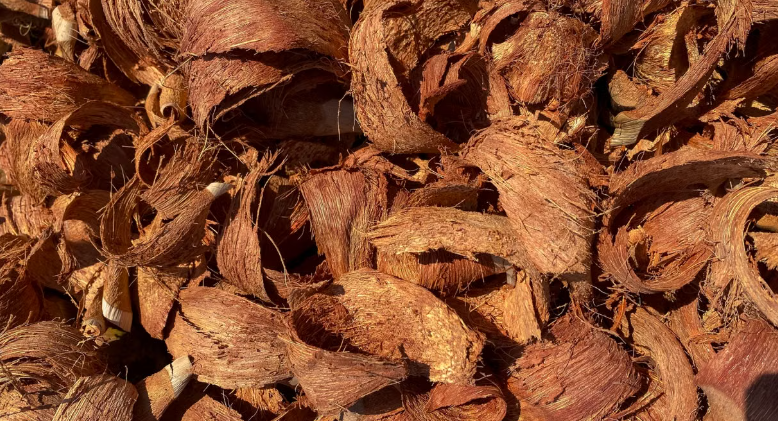
India’s coconut-growing regions are finding a new economic opportunity in an unlikely place — the coconut husk. Once treated mainly as agricultural waste, coconut husk is increasingly being converted into coir fibre and value-added products, creating new opportunities for rural entrepreneurship, women’s employment and sustainable businesses.
The coir industry in India has traditionally been associated with ropes, mats and household products. But changing consumer preferences and growing demand for environmentally friendly materials are giving the natural fibre a much broader market.
From coir mats and handicrafts to horticulture products, bio-fertilisers and sustainable packaging, entrepreneurs are finding new ways to turn coconut waste into commercially useful products.
Coir Industry Creates New Opportunities for Rural Entrepreneurs
The availability of coconut husk in large quantities gives rural entrepreneurs an important advantage — access to a locally available raw material.
Small businesses can process coconut husk into fibre and use it to manufacture a variety of products. This creates opportunities across the entire coir value chain, including fibre extraction, spinning, weaving, manufacturing, packaging, transportation and marketing.
For villages located in coconut-producing regions, this can generate non-farm employment and create additional sources of income.
Instead of selling only raw agricultural produce, local communities can participate in processing and manufacturing, allowing more value to remain within the rural economy.
Women’s Employment Is a Major Strength of the Coir Sector
The coir industry and women empowerment are closely connected. Women have traditionally played a significant role in activities such as fibre processing, spinning and weaving.
With access to training, finance and markets, these skills can become the foundation for independent businesses.
Women entrepreneurs can start small manufacturing units, produce handicrafts or coir-based home products, and gradually expand their businesses. Some can also become trainers, passing their skills to other women in their communities.
This creates a multiplier effect. One successful enterprise can generate employment while also helping other women acquire skills and develop their own sources of income.
From Traditional Products to Modern Coir Products
The biggest opportunity for the sector is the move towards value-added coir products.
Traditional products such as ropes and mats continue to have demand, but businesses are increasingly exploring products with higher commercial value. These include:
- Coir mats and doormats
- Coir ropes and yarn
- Brushes and household products
- Handicrafts and decorative products
- Horticulture and gardening materials
- Growing media and soil-related products
- Eco-friendly packaging
- Natural fibre-based products for modern applications
Moving into finished products allows entrepreneurs to earn more from the same basic raw material.
For MSMEs, product design, attractive packaging and branding can further improve market opportunities.
Coir Pith Turns Waste into an Agricultural Resource
Another important opportunity comes from coir pith, a by-product generated during coir processing.
Instead of treating coir pith as waste, it can be processed for use in agriculture and horticulture. Its moisture-retention properties make coir-based materials useful for plant cultivation and soil-management applications.
This creates a circular business model in which waste from coconut processing can become a useful agricultural input.
Such applications can also strengthen the connection between the coir industry, agriculture and sustainable farming, creating additional markets for rural enterprises.
Why Coir Is Important for Sustainable Business
The global shift towards environmentally responsible products is creating new opportunities for natural fibres.
Coir is renewable and biodegradable, making it attractive for applications where businesses and consumers are looking for alternatives to certain synthetic materials.
For companies, using natural fibre-based products can also support sustainability goals and reduce dependence on petroleum-based materials in selected applications.
This does not mean coir can replace every synthetic material, but its growing use demonstrates how traditional natural resources can become part of modern sustainable manufacturing.
Government Support Can Help Rural Coir Businesses Grow
Finance, skills and market access are among the biggest requirements for rural entrepreneurs. Government-backed programmes and institutions supporting the MSME sector and coir industry can help address some of these challenges.
The Coir Board supports areas including skill development, technology adoption, research, product development and market promotion. Programmes such as the Prime Minister’s Employment Generation Programme (PMEGP) can also help eligible entrepreneurs establish employment-generating micro enterprises.
Training is particularly important because converting raw coconut husk into commercially successful products requires knowledge of processing, machinery, quality control, design and marketing.
Better access to exhibitions, organised markets, digital commerce and export opportunities can further help rural manufacturers expand beyond their local markets.
Technology Can Take Coir Beyond Mats and Ropes
Technology and research are opening new possibilities for coir.
Research institutions are exploring applications for coir-based materials in areas such as packaging, horticulture and other industrial uses. Such innovation can help the sector move from traditional low-value products towards specialised products with stronger market potential.
For rural MSMEs, this transition could mean better margins, more skilled employment and greater participation in emerging green markets.
Coir Can Strengthen the Rural Economy
The economic value of coir extends beyond individual businesses.
A growing coir enterprise can create demand for coconut husks, provide work for local artisans, support transport and logistics services and generate business for suppliers and traders.
This makes the coir value chain an important part of rural economic activity in coconut-producing regions.
It can also provide an alternative source of employment for people who may otherwise depend heavily on seasonal agricultural work.
The Future of India’s Coir Industry
India has a long history of coir production, but the next phase of growth will depend on innovation and market development.
The opportunity is no longer limited to producing more fibre. The larger potential lies in creating better-designed, higher-value and market-ready coir products.
Investment in modern machinery, skill development, product research, quality standards, branding and digital marketing can help rural businesses compete in wider domestic and international markets.
At the same time, rising interest in sustainable materials provides a favourable environment for natural fibres.
The journey of coconut husk from agricultural waste to a finished commercial product highlights an important opportunity for India’s rural economy. With entrepreneurship, technology and market access, coir can create jobs, strengthen women’s livelihoods, support MSMEs and contribute to a more sustainable manufacturing ecosystem.