
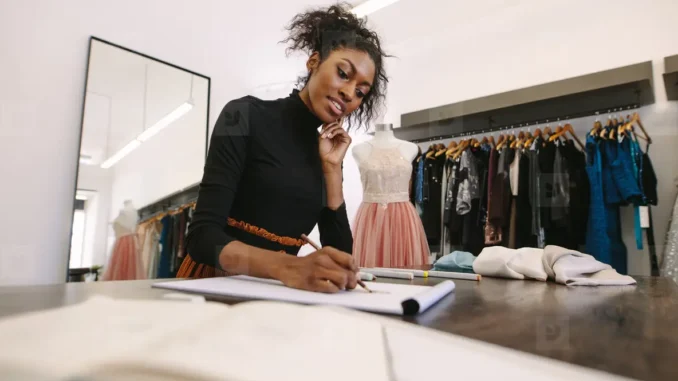

Fashion designing is one of the most exciting, artistic, and ever-evolving fields in the creative world. It blends imagination, craftsmanship, and cultural expression into wearable works of art. Whether it’s the elegance of haute couture or the edge of streetwear, fashion designing shapes how the world sees style, identity, and personality. In this long-form guide, we’ll explore everything—from the history of fashion to the skills needed to build a successful career.
Understanding the World of Fashion Designing
What Fashion Designing Really Means
Fashion designing is the art of applying design principles, creativity, and aesthetics to clothing and accessories. Designers carefully combine colors, shapes, textures, and proportions to create garments that express ideas, moods, and stories. Today, fashion is more than just clothes—it’s a global language.
Evolution of Fashion Through the Ages
Fashion has evolved dramatically over centuries. From ancient civilizations with symbolic garments to the extravagant renaissance gowns, each era brought new styles. The 20th century revolutionized fashion through Hollywood glam, punk culture, hip-hop, and modern minimalism. Today, trends shift faster than ever due to digital influence and global fashion week showcases.
Key Elements of Fashion Designing
Color Theory & Textures
Colors set the emotional tone of a design. Designers use color psychology to influence perception. For example, blue offers calmness, red represents power, and black symbolizes sophistication. Texture adds depth, making fabrics visually and physically engaging.
Patterns, Fabrics & Materials
Fabrics are the core of fashion designing. Cotton, silk, denim, wool, and synthetic materials each have unique properties. Patterns—such as floral, geometric, and abstract—help shape the character of a garment.
The Creative Process Behind Fashion Designing
Research & Concept Development
Before sketching, designers explore inspirations—nature, architecture, history, culture, or emotions. Mood boards help visualize the theme and color palette.
Sketching & Digital Illustration
Most designers begin with hand-drawn sketches before transferring designs into CAD software. This allows them to visualize proportions, patterns, and silhouettes accurately.
Draping & Garment Construction
Draping involves arranging fabric on a dress form to create structure and flow. Afterward, designers cut, stitch, and refine garments to bring the final outfit to life.
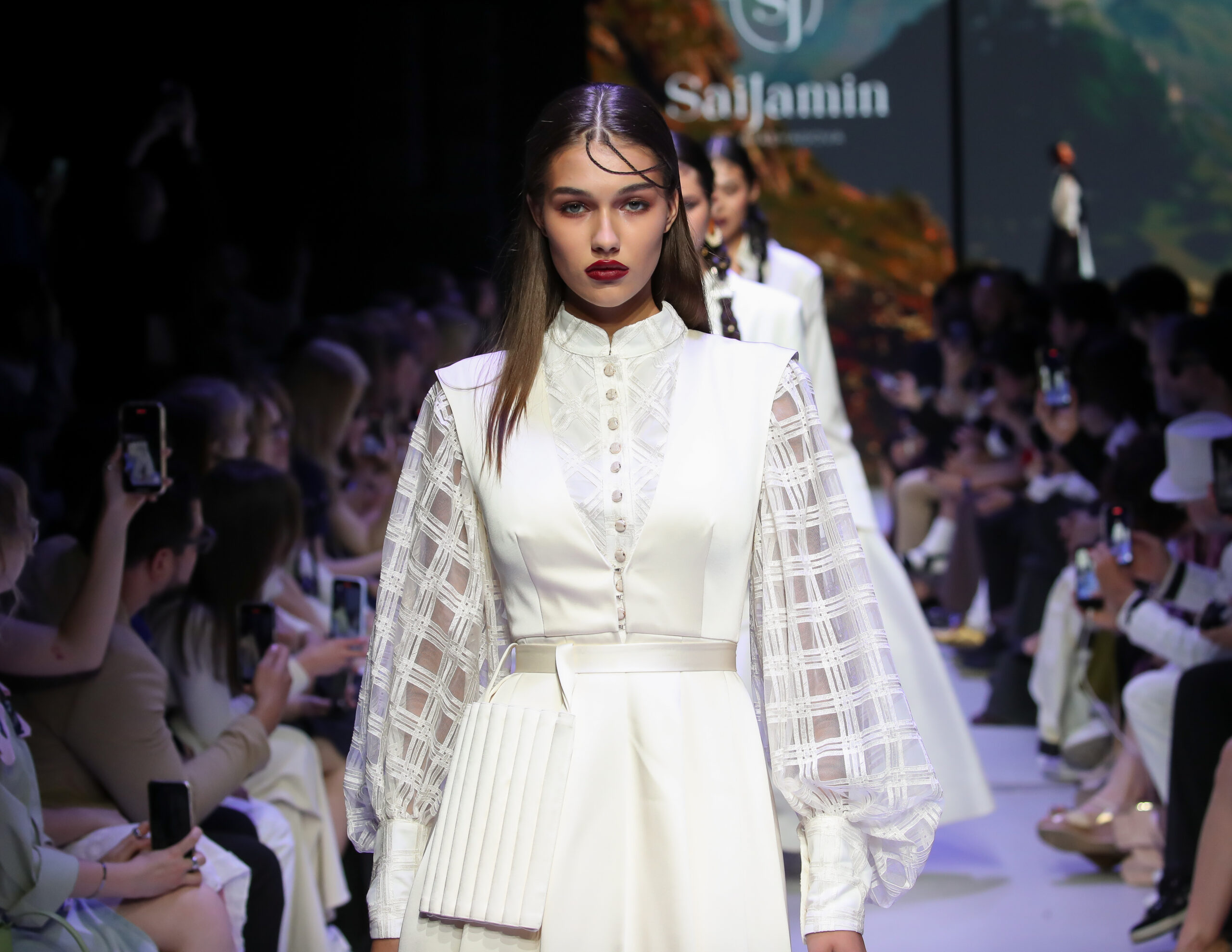
Popular Types of Fashion Designing
Haute Couture
Haute couture represents the highest level of craftsmanship. Every piece is handmade using luxurious fabrics and intricate detailing.
Ready-to-Wear
These collections are more practical, mass-produced, and wearable for everyday customers.
Sustainable Fashion
Eco-friendly materials and ethical production make this category increasingly important.
Streetwear Trends
Casual, bold, and youth-driven, streetwear blends comfort with high style.
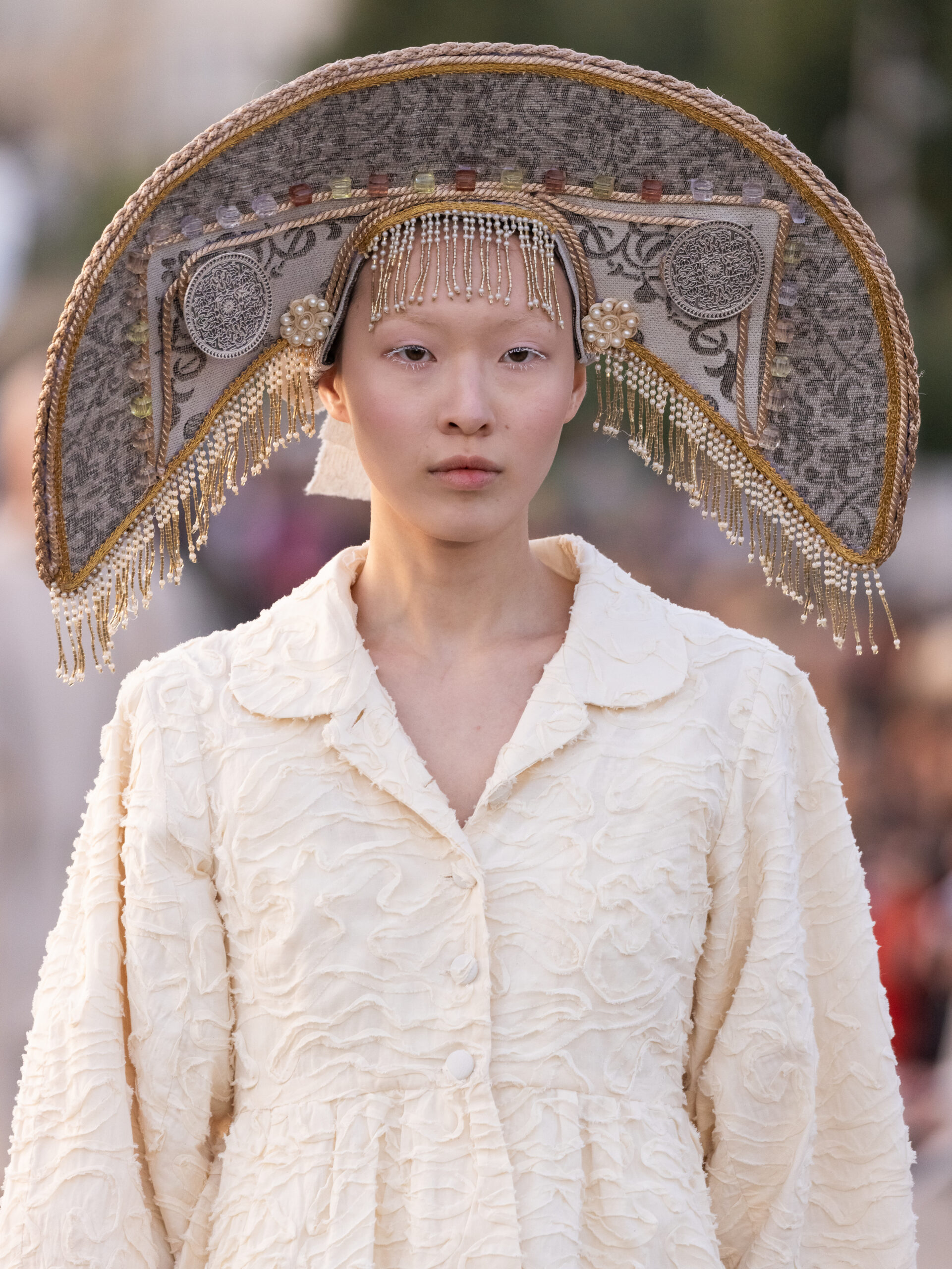
Essential Skills Needed in Fashion Designing
Artistic & Technical Skills
A good designer must draw, conceptualize, and understand body proportions. Technical skills include fabric knowledge, stitching, and pattern-making.
Communication & Presentation Skills
Designers must communicate ideas with clients, manufacturers, and marketing teams.
Tools & Technology Used in Fashion Designing
CAD Software
Programs like CLO 3D and Adobe Illustrator help in digital sketching, pattern making, and virtual fitting.
Sewing Tools & Equipment
Machines, mannequins, cutters, and draping tools support physical garment creation.
Building a Career in Fashion Designing
Fashion Schools & Courses
Institutes such as Parsons, FIT, and NIFT offer comprehensive fashion programs.
Job Roles & Career Paths
-
Fashion Designer
-
Textile Designer
-
Stylist
-
Fashion Illustrator
-
Costume Designer
-
Trend Forecaster
Fashion Designing in the Digital Era
AI in Fashion
Artificial intelligence predicts trends and helps brands personalize customer experiences.
3D Printing & Virtual Runways
3D garments reduce waste and speed up prototyping. Virtual runways became popular during the pandemic and continue to reshape fashion shows.
Challenges in the Fashion Designing Industry
Competition & Trends
The industry is fast-paced, requiring designers to adapt quickly.
Sustainability Challenges
Eco-friendly materials and ethical production are becoming essential.
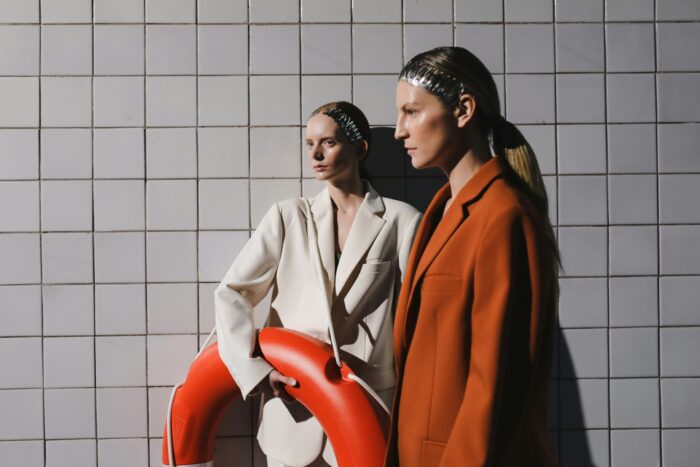
Future of Fashion Designing
Eco-Friendly Innovations
From biodegradable fabrics to recycled materials, sustainability leads the future.
Tech-Driven Fashion
Smart fabrics and wearable tech will dominate the next decade.
FAQs About Fashion Designing
1. What qualifications do I need to start fashion designing?
A diploma or degree in fashion designing helps, but passion and creativity matter most.
2. Can I become a fashion designer without attending a fashion school?
Yes—many designers are self-taught, but practice and portfolio-building are essential.
3. Is fashion designing a good career?
Absolutely. It offers diverse opportunities in styling, designing, merchandising, and more.
4. How long does it take to become a fashion designer?
Typically 2–4 years of structured learning plus hands-on experience.
5. Do fashion designers need to know stitching?
Basic stitching is helpful, especially for prototyping and construction.
6. What software should beginners use?
Adobe Illustrator and CLO 3D are great for newcomers.
Conclusion
Fashion designing is a world filled with creativity, innovation, and endless possibilities. Whether you’re dreaming of launching your label, creating unique costumes, or shaping tomorrow’s trends, the fashion world offers a space for every imagination.