
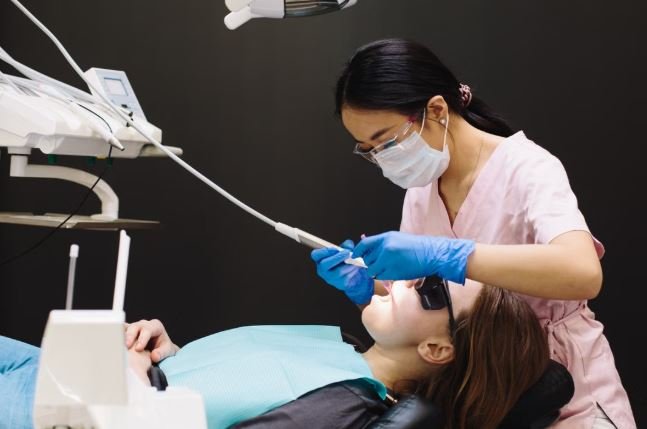
Preventive dental care is opening a new growth avenue for the healthcare industry, creating business opportunities that extend well beyond traditional dental clinics. As patients become more conscious of oral hygiene, early diagnosis and long-term health, dental providers are rethinking how they attract patients, deliver services and generate revenue. The shift is creating demand for digital dental technologies, preventive care programmes, subscription services, mobile clinics and specialised oral healthcare products.
For businesses, the opportunity lies in a fundamental change in the dental care model. Instead of depending largely on patients seeking treatment after a problem develops, providers can build ongoing relationships through regular examinations, professional cleaning, early screening and personalised oral health plans. This creates a more consistent service model while encouraging patients to take a proactive approach to dental health.
The commercial potential is also attracting attention across the wider healthcare ecosystem. Technology companies, dental equipment manufacturers, insurers, healthcare investors and consumer brands all have a role to play in the expanding preventive dentistry market.
Preventive dentistry creates a recurring-revenue opportunity
One of the most significant business opportunities is the move towards preventive dental membership programmes. Traditional dental practices often depend on individual appointments and treatment-based income, making revenue less predictable. Preventive care packages offer an alternative by encouraging patients to pay for regular services through monthly or annual plans.
These packages can include routine dental examinations, professional cleaning, oral health assessments, follow-up appointments and reminders for scheduled visits. For clinics, this approach can improve patient retention, support more predictable cash flow and increase the utilisation of dental facilities.
The model also creates opportunities for specialised membership-management platforms, automated appointment systems and patient engagement software. Businesses that help dental practices manage subscriptions, renewals, reminders and patient records can become important service partners.
However, sustainable membership models must be built around transparent pricing and clinically appropriate services rather than simply increasing appointment frequency.
AI and digital dentistry open new technology markets
Digital transformation is creating another major opportunity for preventive dental care businesses. AI-assisted dental imaging, digital X-rays, intraoral scanners and cloud-based patient management systems are helping clinics improve diagnostic workflows and maintain more organised patient records.
AI-powered tools can assist dentists in identifying potential signs of tooth decay and other oral health concerns from dental images. These systems support clinical assessment but do not replace professional diagnosis. Their growing use is creating a market for software developers, imaging technology providers, equipment manufacturers and healthcare technology startups.
Remote monitoring and teledentistry are also expanding the possibilities for patient engagement. Digital platforms can support follow-up consultations, appointment management and ongoing communication, particularly for patients who have difficulty visiting clinics regularly.
For technology businesses, the commercial opportunity is increasingly centred on integrated solutions rather than standalone devices. Platforms that connect imaging, patient records, appointment scheduling and preventive-care reminders can offer greater operational value to dental practices.
Dental clinic chains and organised healthcare networks gain an advantage
Preventive care can also support the expansion of organised dental clinic networks. Independent practices and multi-location providers can use standardised examination protocols, digital patient records and centralised appointment systems to create a more consistent patient experience.
A hub-and-spoke model offers another route for expansion. Routine examinations and preventive services can be delivered through neighbourhood clinics, while complex cases are referred to larger specialist centres. This approach can help providers expand into smaller cities and underserved markets without building a full-scale specialist facility at every location.
For investors and healthcare operators, the opportunity extends to clinic management, equipment procurement, dental laboratory partnerships, staff training and standardised clinical operations.
In India, market research points to significant scope for expansion in organised dental services. One industry estimate places the country’s dental services market at USD 4.3 billion in 2025, with a projection of USD 8.55 billion by 2031. These figures cover the wider dental services sector, rather than preventive care alone, but indicate the scale of the market in which preventive services can develop.
Mobile dental clinics create new routes to market
Access remains a major factor shaping the future of preventive dentistry. People in rural communities, smaller towns and low-income areas may delay dental visits because of distance, cost or limited availability of services.
Mobile dental clinics and workplace screening programmes offer businesses a way to reach these groups. Equipped with portable dental equipment, trained professionals and basic diagnostic facilities, mobile units can provide oral health assessments, preventive guidance and referrals.
The model creates opportunities for healthcare entrepreneurs, corporate healthcare providers, non-profit organisations and public-private partnerships. Employers can also engage dental service providers to organise workplace oral health programmes, while schools and community institutions can partner with mobile providers for awareness and screening initiatives.
From a business perspective, mobile dentistry can diversify patient acquisition channels and create institutional contracts. Its long-term viability, however, depends on efficient scheduling, equipment maintenance, qualified staff and clear referral arrangements.
Oral hygiene products offer opportunities for manufacturers and retailers
The expansion of preventive dental care is also influencing the consumer oral hygiene market. Demand for electric toothbrushes, water flossers, interdental cleaning products, specialised toothpaste and other preventive products is creating opportunities for manufacturers, distributors, pharmacies and online retailers.
Smart oral care devices are adding another dimension to the market. Products that connect with mobile applications can help consumers monitor brushing habits and receive personalised guidance. For brands, this creates opportunities to combine product sales with digital engagement and repeat-purchase models.
Dental clinics can also strengthen their business offerings by recommending suitable oral hygiene products as part of patient education. Manufacturers and distributors, meanwhile, can build relationships with dental professionals to improve product visibility and reach consumers through trusted channels.
The competitive advantage will increasingly depend on product quality, evidence-based claims, affordability and distribution strength.
Dental insurers and healthcare partners can benefit from prevention-led models
Preventive dentistry also creates opportunities for insurers, employee healthcare providers and corporate wellness companies. Regular dental check-ups and early intervention can help identify problems before they require more extensive treatment.
Insurers can explore preventive dental benefits, scheduled check-up packages and partnerships with clinic networks. Employers can include oral health services in workplace wellness programmes, while healthcare platforms can integrate dental appointment booking and patient engagement into wider health service offerings.
There is also scope for closer cooperation between dental and primary healthcare providers. Dental professionals may identify signs that warrant further medical assessment, including potential indicators associated with diabetes and hypertension. Appropriate referral systems can connect patients with other healthcare services and create opportunities for integrated care delivery.
For businesses, the value lies in building coordinated service networks rather than treating dental care as an isolated healthcare category.
Business challenges will determine market leaders
Despite the growth potential, preventive dental care businesses face several commercial and operational challenges. High equipment costs can make digital adoption difficult for smaller clinics, while limited patient awareness and affordability concerns can restrict demand for routine services.
The sector also needs skilled professionals who can work with new technologies and maintain consistent standards across clinic networks. Digital platforms must address patient data privacy, cybersecurity and integration with existing systems. Subscription-based services require clear terms and reliable delivery to maintain patient confidence.
For businesses expanding into smaller cities and rural markets, pricing and service design will be particularly important. Models that work in large urban centres may not be commercially viable in locations with different income levels, patient volumes and workforce availability.
Companies that address these challenges through affordable technology, efficient operations and strong clinical partnerships will be better placed to build sustainable businesses.
Preventive dental care is becoming a long-term healthcare business opportunity
The business potential of preventive dental care extends across the entire oral healthcare value chain. Dental clinics can develop recurring patient relationships, technology companies can provide digital infrastructure, manufacturers can expand preventive product portfolios, and healthcare networks can build new service delivery models.
The next phase of growth is likely to favour businesses that combine clinical quality with convenience, affordability and operational efficiency. Rather than competing only on treatment prices or the number of procedures performed, providers can differentiate themselves through patient retention, preventive-care programmes and integrated services.
Preventive dentistry is therefore emerging as more than a clinical trend. It represents a commercial shift towards continuous oral healthcare, creating opportunities for established providers and new market entrants to build scalable services around early intervention and long-term patient engagement.
