

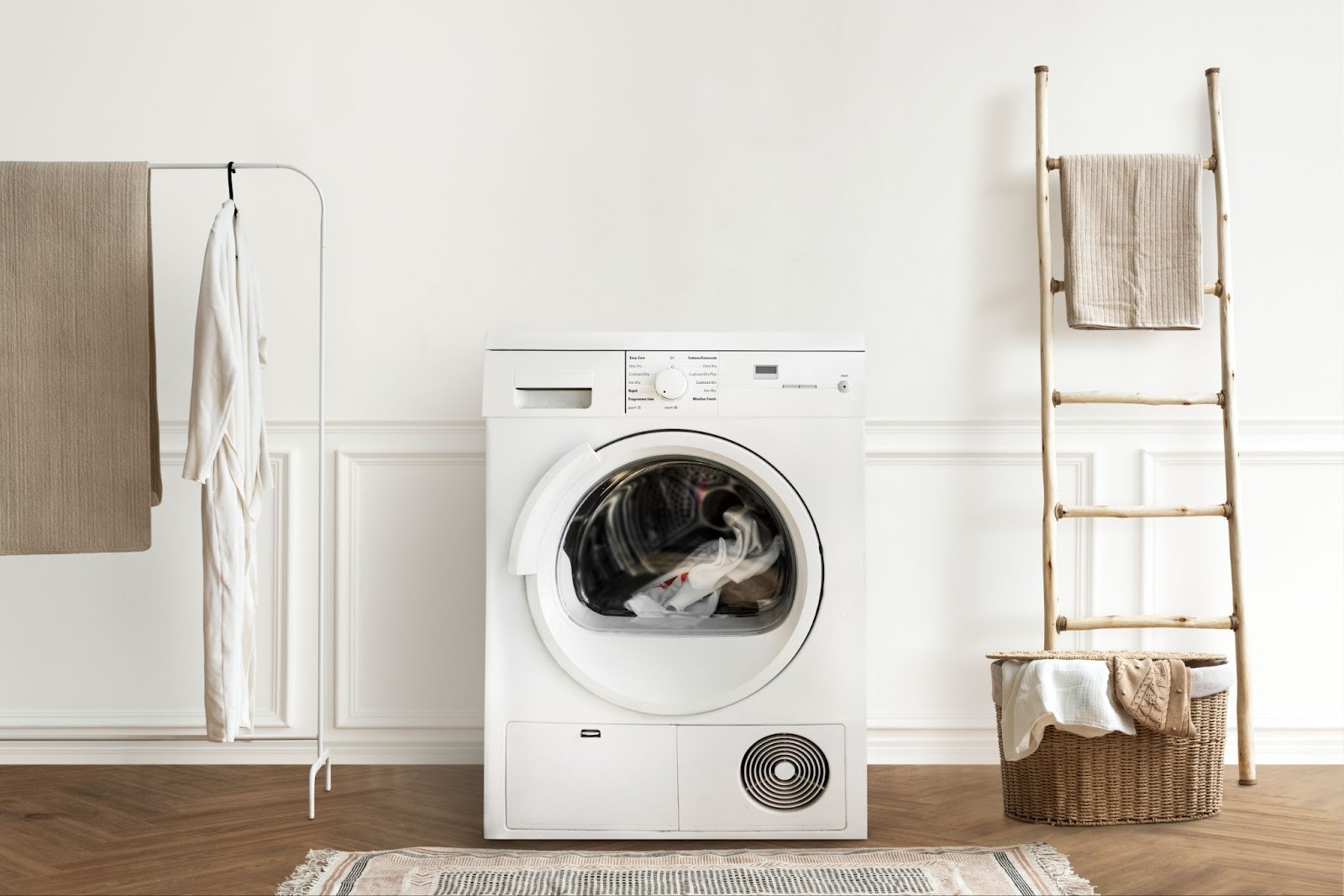
Picking a washing machine sounds simple until you start looking at all the options. There are so many sizes, types, and features that it’s easy to get stuck. But one thing matters more than anything else: getting the right size.
A washing machine that’s too small means endless loads and an overworked motor. Too big, and you’ll waste water and power every time you hit start. The sweet spot is finding a machine that fits your lifestyle, not just how it looks in your laundry.
Here’s a simple guide to help you figure it out.
Why Size Actually Matters
Size isn’t just about how much you can cram in. It affects everything: cleaning results, energy use, and how long the machine lasts.
If you overload a small washer, your clothes won’t get properly cleaned. They need space to move around so the water and detergent can do their job. A too-big machine, on the other hand, wastes resources if you rarely fill it. It also means you’ll probably run smaller loads more often, which defeats the point of having a large one.
So the goal is balance. Enough space to handle your weekly laundry, but not so much that half the drum is empty most of the time.
What “Washing Machine Size” Really Means
When people talk about washing machine size, they’re talking about capacity: how much laundry the drum can hold in one go. It’s measured in kilograms, based on the weight of dry clothes.
So, a 7kg washer can handle about 7 kilograms of dry laundry per load. Sounds abstract, right? Here’s what that actually looks like:
- 5kg = a few pairs of jeans, some shirts, and a towel or two.
- 7kg = roughly 35 T-shirts.
- 10kg = a full week’s worth of laundry for a family, or a queen-size doona and sheets together.
The bigger the number, the more you can wash at once. But again, more isn’t always better; it’s about matching capacity to how much laundry you really do.
How to Estimate the Right Capacity for Your Household
You don’t need a formula or spreadsheet for this. Just think about how many people live in your home and how often you wash.
1–2 People: 5–7 kg
Perfect for singles or couples. You’ll fit your weekly clothes, a few towels, and maybe a set of sheets. It’s small, efficient, and doesn’t take up much space.
3–4 People: 7–9 kg
This is the most common size range for families. It can handle school uniforms, towels, and a few bulky items without cramming.
5+ People: 9–12 kg or more
If you’ve got kids, pets, or just a lot of laundry, go bigger. These machines can take on bedding, towels, and large loads without complaining.
A quick rule of thumb: if you’re constantly running out of space in your current washer, size up. If you’re only filling it halfway most of the time, size down.
What Affects the Size You Actually Need
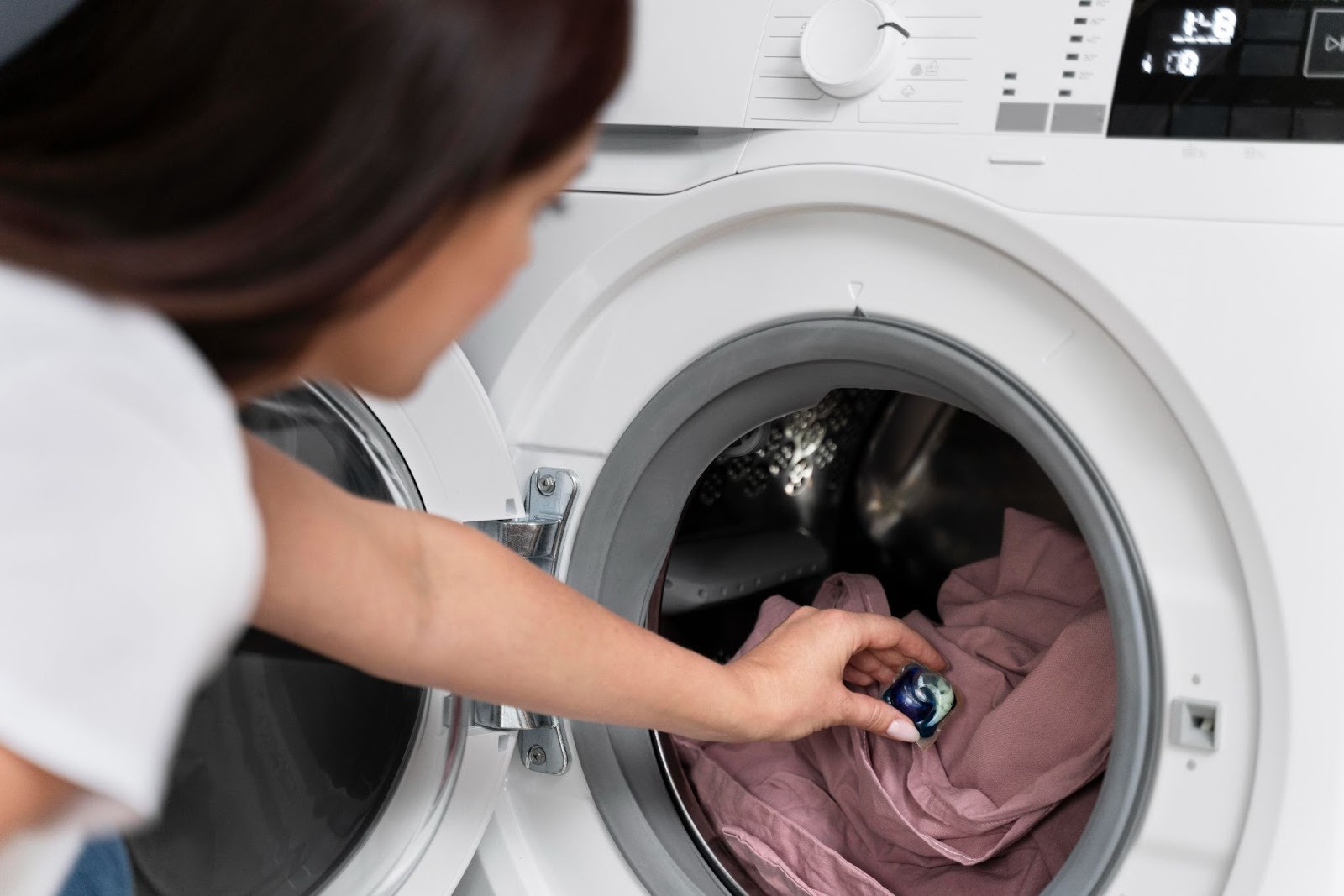
The number of people isn’t the only thing that matters. A few other details make a difference, too.
Laundry habits
Do you wash every day or wait for the weekend? Frequent small loads work fine with a smaller washer. If you do everything in one go, you’ll need more space.
Clothing types
Heavy fabrics like jeans, hoodies, and towels take up more room. Light clothes like T-shirts and gym gear take up less space.
Energy and water efficiency
Larger machines use more power and water per load, but if you fill them properly, they can actually be more efficient overall.
Space
Don’t forget to measure where the machine will go. Some models are wider or deeper than they look. You’ll need room for hoses and airflow, too.
Think of it like this: your ideal washer should fit your laundry and your laundry room.
Front Loader vs. Top Loader (And Why It Matters)
Before you decide on capacity, it helps to know which type you prefer.
Front Loaders
These are the ones with the door on the front. They use less water, are gentler on clothes, and generally clean better. The trade-off is that they take a bit longer to run a cycle.
Top Loaders
Door on top, faster cycles, easier to load. They’re often cheaper upfront and can handle bigger loads of mixed laundry. But they usually use more water and can be rougher on delicate clothes.
A small note: a 7kg front loader can often hold about as much as an 8kg top loader because of how the drum is designed. So don’t just compare the numbers; think about what you actually prefer using.
Match Size to Lifestyle
Choosing a washing machine is mostly about how you live day to day.
Families with kids or pets
You’ll want something 9kg or above. Between muddy clothes, sports uniforms, and bedding, that extra space will save your sanity.
Couples or small households
A mid-range 7–8kg washer is usually the sweet spot. Enough space for bedding but not overkill for smaller loads.
Busy professionals
If you’re short on time or space, consider a smaller washer-dryer combo. You can wash and dry in one go without juggling two machines.
Students or renters
Compact or portable machines make sense if you move often or don’t have a full laundry setup. They’re not huge, but they get the job done.
It’s easy to get caught up in features and fancy programs, but the right size will do more for your daily routine than any smart display ever could.
When Bigger Isn’t Better
It’s tempting to buy the biggest washer you can afford, just in case. But that can backfire. Large machines work best when they’re mostly full. If you only wash small loads, you’ll waste water, power, and detergent.
And if the drum’s only half full, your clothes can clump together and not get cleaned properly.
So, unless you’re regularly washing heavy loads or bedding, don’t oversize. Get what you’ll actually use.
A Few Real-World Tips
- Always leave a little space at the top of the drum; clothes need to move.
- Heavy loads like blankets or jeans need extra room to wash properly.
- If you’re washing delicate fabrics, don’t fill the drum completely.
- Look for the energy rating sticker before buying. Efficient models save more in the long run.
And one more thing, don’t stress too much about getting it perfect. Most modern machines are versatile enough to handle a mix of loads. The main goal is to make laundry less of a chore.
Conclusion
Choosing the right washing machine size isn’t complicated once you know what to look for.
Start with how many people are in your home, then think about your habits, how often you wash, what kind of clothes you have, and how much space you’ve got. That’s it.
The right size will clean better, last longer, and make laundry days smoother. You’ll save water, power, and probably a few headaches too.
Because honestly, nobody wants to spend more time thinking about laundry than they have to.