
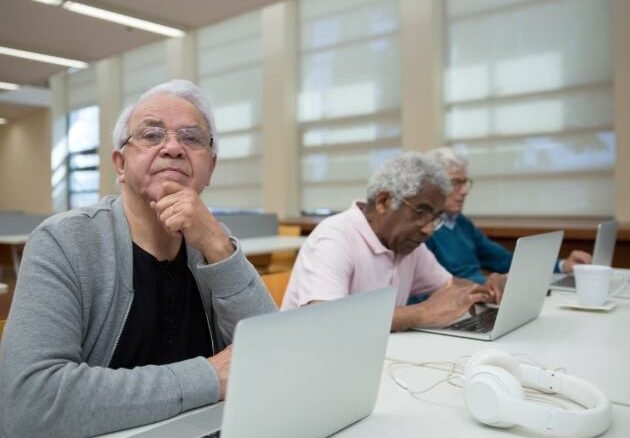
India’s ageing population is creating a new and expanding market for businesses across healthcare, real estate, financial services and technology. As the needs of senior citizens become more diverse, entrepreneurs and investors have an opportunity to build services that improve quality of life while creating sustainable business growth.
India’s demographic landscape is changing, and this shift is opening up a significant new business opportunity. For decades, the country’s large young population has shaped consumer markets, employment and economic growth. But as life expectancy rises and family structures evolve, the needs of older citizens are becoming an increasingly important part of the economy.
India’s population aged 60 and above is projected to reach around 347 million by 2050, making senior-focused products and services a major growth area. This change is not simply about an increase in the number of elderly people. It is creating demand for better healthcare, comfortable housing, financial security, professional caregiving and technology that helps people live independently for longer.
The emerging silver economy is therefore attracting attention from businesses looking beyond traditional consumer markets. From senior living communities and home healthcare to retirement planning and assistive technology, several sectors have the potential to develop new services and long-term revenue opportunities.
Senior Living and Age-Friendly Housing Create Real Estate Opportunities
One of the most visible opportunities is emerging in the senior living and assisted housing market. Many older people are looking for homes that offer safety, accessibility, medical support and opportunities for social interaction. At the same time, families increasingly want reliable living arrangements that provide care without compromising the independence of their elderly members.
This is creating demand for retirement communities, assisted living facilities, specialised residential projects and age-friendly housing. Real estate developers can explore properties with accessible designs, emergency response systems, healthcare facilities and common spaces that encourage social engagement.
India’s organised senior living market is still developing, leaving considerable room for professional operators and specialised developers. Industry estimates suggest that the sector could exceed ₹1 trillion by 2030, supported by rising demand and growing investment interest.
For businesses, the opportunity extends beyond constructing residential facilities. Property management, maintenance, food services, transport, wellness programmes and on-site healthcare can create additional sources of recurring income.
Home Healthcare and Professional Caregiving Become Essential Services
Healthcare needs often become more complex with age, particularly for people managing diabetes, heart conditions, mobility limitations and other long-term health concerns. Regular hospital visits can be difficult for elderly patients, while families may not always have the time or professional expertise to provide full-time care.
Home healthcare services can help address this gap. Businesses can offer nursing support, physiotherapy, medication management, diagnostic services, post-hospitalisation care and assistance with everyday activities.
Professional caregiving is another area with strong potential. Trained caregivers can support older people with personal care, mobility, meals and daily routines, helping families access dependable assistance at home.
There is also an emerging opportunity to serve families living overseas or in different Indian cities. Dedicated senior-care providers can coordinate medical appointments, home visits, emergency assistance and regular updates, giving families greater confidence that their elderly relatives are receiving appropriate support.
As demand increases, businesses that combine trained staff, transparent pricing and reliable service standards can build lasting relationships with customers.
Companionship and Senior Lifestyle Services Open a New Market
Senior care is not limited to medical treatment and physical assistance. Emotional well-being, social connection and an active lifestyle are equally important to quality of life.
Many older people live alone or experience reduced social interaction after retirement. This creates opportunities for services that focus on companionship, recreation and community participation.
Businesses can develop senior clubs, hobby groups, guided travel programmes, fitness activities, cultural events and doorstep assistance services. Companionship platforms can also connect trained professionals with elderly people who need regular conversation, help with daily activities or support in attending appointments.
These services can appeal to families seeking more than basic caregiving. Subscription-based programmes, community memberships and customised activity packages may also provide businesses with predictable revenue streams.
Age-Tech and Assistive Devices Create Opportunities for Innovation
Technology can make everyday life safer and more convenient for older people, particularly those who want to remain independent. However, products designed for senior citizens need to be simple, accessible and easy to use.
This creates opportunities for startups working on health-monitoring devices, emergency alert systems, fall-detection technology, remote patient monitoring and voice-enabled applications. Wearable devices can help track essential health information, while digital platforms can connect seniors with doctors, caregivers and family members.
There is also room for innovation in assistive products such as mobility aids, hearing devices, accessible home equipment and medication reminders.
India’s diverse language requirements offer another opportunity. Voice-first applications and regional-language interfaces could help older users who are less comfortable with complicated digital systems.
For technology companies, the strongest products will be those that solve practical problems rather than simply introducing new features. Affordability, ease of use, data privacy and dependable customer support will be central to adoption.
Retirement Finance and Insurance Gain Greater Importance
Financial security becomes a major concern as people move away from regular employment and begin depending on savings, pensions and other retirement income. Rising healthcare costs and longer life expectancy make financial planning even more important.
This creates opportunities for banks, insurance companies, wealth managers and financial technology firms to develop services suited to older customers. Retirement planning, pension management, health insurance, income-generating investment products and financial advisory services can become important parts of this market.
Reverse mortgage products and other home-equity solutions may also help eligible senior homeowners access funds without immediately selling their property. However, these products need clear terms and responsible advice so customers understand the financial implications.
Businesses that offer transparent guidance and products suited to different income groups can build trust in a market where financial decisions often involve long-term security.
Caregiver Training Can Build a New Employment Sector
The expansion of senior care will require a much larger workforce of trained professionals. Caregivers, nursing assistants, physiotherapists and home-health support staff will be essential to delivering reliable services.
This creates opportunities for vocational training institutes, healthcare education providers, recruitment agencies and specialised staffing companies. Training programmes can focus on elderly care, mobility assistance, dementia support, basic medical observation, communication and emergency response.
Government initiatives are also placing greater emphasis on building a skilled caregiving workforce. A stronger training ecosystem can help improve service quality while creating employment opportunities for young people.
For businesses, investing in staff training and professional standards can become an important competitive advantage. Families are more likely to trust providers that employ verified, trained and properly supervised caregivers.
Why India’s Silver Economy Is Attracting Business Interest
The growth of the silver economy is being supported by several long-term changes. Longer life expectancy, smaller households, migration for employment and rising awareness of specialised healthcare are reshaping the way families plan for old age.
The market also offers opportunities across different price segments. While some customers may seek premium retirement communities and personalised healthcare, many others need affordable home assistance, accessible medical services and reliable financial guidance.
This creates room for both established companies and smaller businesses. Large developers, hospital networks, insurers and technology firms can expand into specialised senior services, while startups and local entrepreneurs can address specific needs within their communities.
The NITI Aayog has estimated India’s senior care industry at ₹57,881 crore, underlining the scale of the sector. Its future growth will depend on whether businesses can make services accessible, dependable and affordable for a wider population.
Building a Trustworthy and Sustainable Senior Care Market
Despite its potential, the silver economy requires businesses to address important challenges. Affordability remains a concern for many families, particularly when care is needed over several years. The availability of trained professionals is another major issue, while inconsistent service quality can affect customer confidence.
Businesses must also understand the specific needs of older customers. A service designed for a healthy, independent retiree may not be suitable for someone who needs continuous medical assistance. Clear pricing, trained staff, emergency response systems and strong data protection will therefore be essential.
Partnerships between healthcare providers, housing developers, insurers, technology companies and government institutions can help create a more connected senior care ecosystem. Such collaboration can reduce service gaps and make professional care available to more households.
India’s Silver Economy Offers a New Path for Business Growth
India’s ageing population is often discussed as a social and healthcare challenge, but it also represents an important opportunity to build businesses around real and growing needs. Older citizens are looking for greater independence, better healthcare, financial confidence and meaningful social connections. Families, in turn, need dependable services that can support their loved ones with dignity and care.
For entrepreneurs and investors, the opportunity lies in understanding these needs and developing solutions that are practical, affordable and built on trust. Senior living, home healthcare, assistive technology, retirement finance and caregiver training are not isolated markets; together, they can form a wider ecosystem that supports healthy and secure ageing.
As India prepares for a future with a much larger senior population, businesses that place quality of life at the centre of their services can create lasting value. The silver economy is not just a market for the future. It is an emerging business sector with the potential to generate employment, encourage innovation and make ageing a more secure and dignified experience.
