

Kurnool, May 15 : In a remarkable medical success, doctors at KIMS Hospital, Kurnool, saved the life of a critically ill kidney failure patient using Continuous Renal Replacement Therapy a highly advanced dialysis technique. The case is notable as the patient’s blood pressure had dropped to dangerously low levels, making conventional treatment extremely risky.
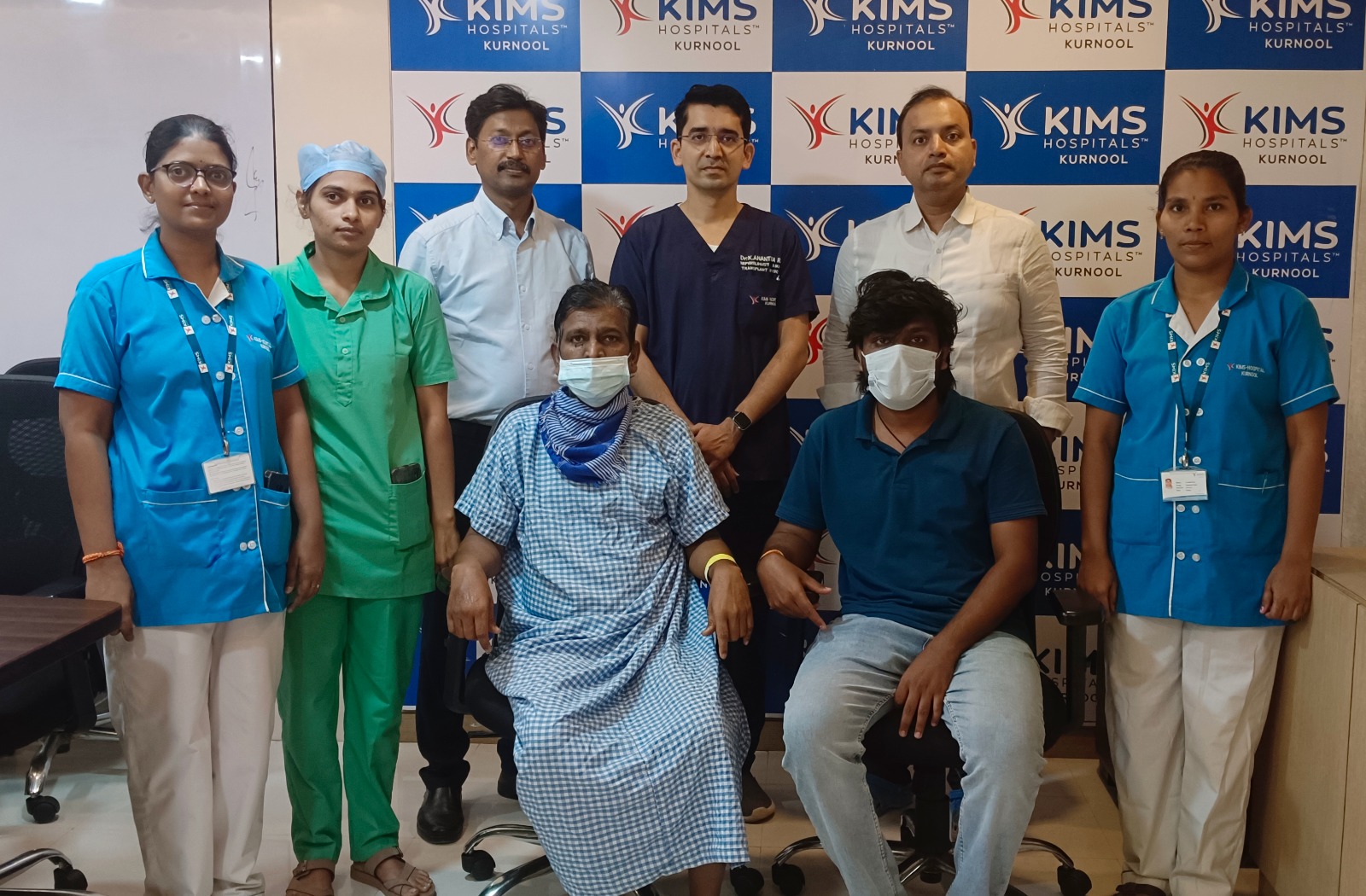
According to Dr. K. Anantha Rao, Consultant Nephrologist and Transplant Physician, the patient, Mallikarjuna (47) from Adoni, had been suffering from kidney failure for the past six months and was undergoing regular dialysis while awaiting a kidney transplant. He was also battling severe diabetes.
During the course of treatment, the patient’s blood pressure, which is normally expected to be around 120 mmHg, suddenly plummeted to 60 mmHg, leading to septic shock a life-threatening condition. He also developed seizures and had to be placed on a ventilator. At the same time, rising acid levels in his body necessitated urgent dialysis.
“Performing conventional dialysis in such critically low blood pressure conditions can trigger cardiac arrest and prove fatal. Therefore, we opted for CRRT, which allows slow and continuous dialysis without causing further hemodynamic instability,” explained Dr. Anantha Rao.
The patient underwent continuous dialysis for nearly 48 hours using CRRT, which gradually stabilized his condition. Following improvement, he was weaned off ventilator support and has since recovered well. He has now been discharged in a stable condition.
The complex procedure was carried out by a multidisciplinary team including critical care specialists Dr. Rajesh Reddy, Dr. Shyam, and Dr. Ravindra. Doctors highlighted that CRRT is particularly beneficial for ICU patients with septic shock and kidney failure, where conventional dialysis may pose significant risks. Until recently, this advanced facility was largely available only in metro cities. With its availability at KIMS Kurnool, critically ill patients in the Rayalaseema region can now access life-saving treatment locally without the need to travel. This case once again underscores that timely intervention and expert medical care can save lives even in the most critical conditions.