
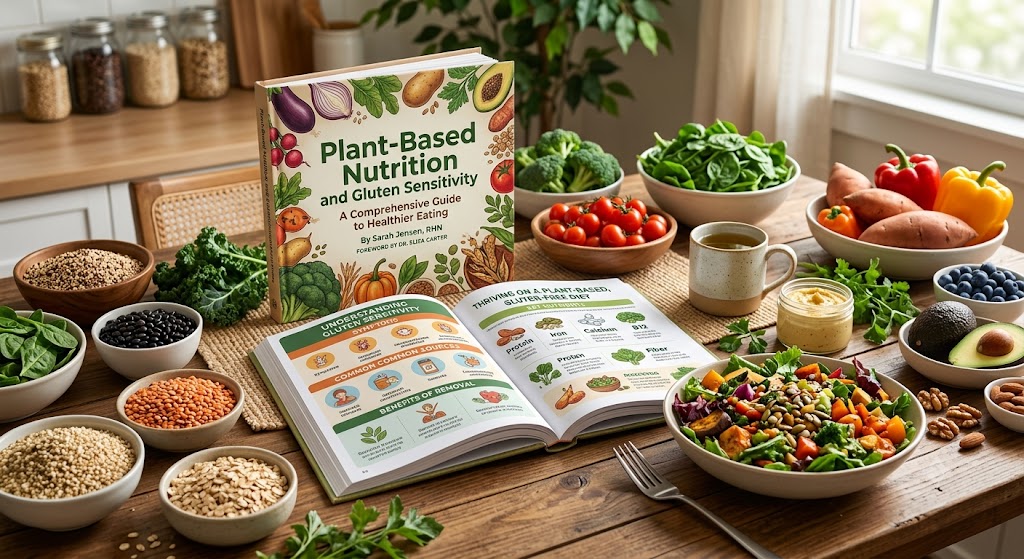
More people are exploring plant-based eating, while others are choosing to avoid gluten because of celiac disease, gluten sensitivity or personal dietary preferences. Following both approaches together may initially seem difficult, but a well-planned diet can still offer plenty of variety, flavour and nutrition.
The key is to focus on naturally gluten-free plant foods and make sure meals provide enough protein, fibre, vitamins and minerals.
Understanding Plant-Based and Gluten-Free Eating
A plant-based diet places greater emphasis on vegetables, fruits, pulses, whole grains, nuts and seeds. It does not necessarily mean eliminating every animal product, although a vegan diet excludes all animal-derived foods.
A gluten-free diet eliminates gluten, a protein found mainly in wheat, barley and rye. People with celiac disease need to avoid gluten strictly, while those with non-celiac gluten sensitivity may also need to limit or avoid it based on medical advice.
When the two eating patterns are combined, naturally gluten-free plant foods can become the foundation of everyday meals.
The Best Foods to Put on Your Plate
There is a surprisingly wide range of foods that can fit comfortably into a plant-based gluten-free diet.
Gluten-free grains: Quinoa, millet, buckwheat, amaranth, teff, sorghum, wild rice and certified gluten-free oats can add variety to meals. These foods can also contribute fibre and important nutrients.
Pulses and legumes: Lentils, chickpeas, kidney beans, black beans and peas are useful sources of plant protein and fibre.
Soy foods: Tofu and some forms of tempeh can be valuable protein sources. However, processed or flavoured products should always be checked for gluten-containing ingredients.
Fruits and vegetables: Colourful vegetables and fresh fruits provide fibre, vitamins, minerals and other beneficial plant compounds.
Nuts and seeds: Almonds, walnuts, chia seeds, flaxseeds, pumpkin seeds and sesame seeds can add healthy fats, protein and minerals to meals.
Together, these foods can form a balanced base without relying heavily on processed gluten-free substitutes.
Protein: A Key Part of the Diet
One concern people often have when moving towards plant-based eating is whether they will get enough protein.
Fortunately, there are many options. Lentils, chickpeas, beans, tofu, quinoa, nuts and seeds can all contribute to daily protein intake. Gluten-free whole grains such as quinoa, amaranth, millet and teff can also add protein to meals.
A simple approach is to include a protein source at every main meal. For example, dal with rice, chickpea salad with quinoa or tofu with vegetables can make a more balanced plate.
Iron Needs Attention Too
Iron is another nutrient worth watching, particularly when someone is following a completely plant-based diet.
Lentils, beans, chickpeas, tofu, quinoa, leafy vegetables and seeds can provide plant-based iron. Adding foods rich in vitamin C, such as tomatoes, citrus fruits, guava or bell peppers, to meals can help improve absorption of plant-based iron.
People with celiac disease may also be at greater risk of iron deficiency because the condition can affect nutrient absorption.
Don’t Overlook Calcium and Vitamin D
Removing dairy products can make calcium intake more challenging, but there are several plant-based options.
Calcium-set tofu, leafy greens, sesame seeds, nuts and fortified plant-based milk can contribute to calcium intake. Fortified products may also provide vitamin D.
People with celiac disease may have experienced reduced absorption of calcium and vitamin D, particularly before treatment, so nutritional needs can vary from person to person.
Vitamin B12 Deserves Special Attention
Vitamin B12 is particularly important for people following a fully vegan diet because reliable natural plant sources are limited.
Fortified foods and B12 supplements may therefore be necessary for some people. The right amount depends on individual circumstances, so anyone following a long-term vegan diet should discuss B12 intake with a healthcare professional or registered dietitian.
Be Careful With Processed “Plant-Based” Foods
Not every food labelled vegetarian, vegan or plant-based is automatically gluten-free.
Some meat alternatives, veggie burgers, flavoured tofu, sauces and ready-to-eat products may contain wheat or other gluten-containing ingredients. Seitan is a particularly important example because it is made from wheat gluten and is not suitable for a gluten-free diet.
Reading ingredient lists and checking for a reliable gluten-free label can help avoid unexpected exposure.
What About Oats?
Oats are naturally gluten-free, but they can come into contact with wheat, barley or rye during processing.
For people who need to follow a strict gluten-free diet, certified or clearly labelled gluten-free oats are generally the safer choice. Anyone with celiac disease should follow advice from their healthcare team regarding oats.
Simple Meal Ideas for Everyday Eating
Eating plant-based and gluten-free does not require complicated recipes.
For breakfast, try certified gluten-free oats with banana, berries, chia seeds and nuts.
For lunch, a quinoa and chickpea bowl with cucumber, tomatoes, leafy greens and lemon dressing can provide protein, fibre and healthy fats.
For dinner, rice with dal, seasonal vegetables and tofu can make a simple and filling meal.
For snacks, fresh fruit, roasted chickpeas, nuts, seeds or a smoothie made with fortified plant milk are easy options.
The goal is to create meals that combine plant protein, gluten-free carbohydrates, vegetables or fruit and healthy fats.
Focus on Whole Foods
A gluten-free label does not automatically mean a product is nutritious. Some packaged gluten-free foods can be highly processed and may not provide the same amount of fibre or micronutrients as whole foods.
Building meals around rice, quinoa, millet, pulses, vegetables, fruits, nuts and seeds can make the diet more naturally nutrient-dense. Gluten-free diets can sometimes provide less fibre and certain B vitamins when people replace fortified wheat products with less nutrient-dense alternatives, making food variety especially important.
Don’t Forget Cross-Contact
For someone who must strictly avoid gluten, choosing the right ingredients is only one part of the process.
Gluten can be transferred through shared utensils, chopping boards, cooking surfaces, toasters and other kitchen equipment. Careful food preparation and label checking can help reduce the risk of accidental exposure.
This is particularly important for people with celiac disease, for whom even small amounts of gluten can be harmful.
A Balanced Approach Is the Goal
A plant-based gluten-free diet can be both nutritious and enjoyable when it is built around a wide variety of whole foods.
Rather than simply removing wheat and animal products, the focus should be on adding nutritious alternatives — from lentils and chickpeas to quinoa, millet, vegetables, fruits, nuts and seeds.
For people with celiac disease, diagnosed gluten sensitivity or existing nutrient deficiencies, individual dietary requirements can be different. A doctor or registered dietitian can help determine whether fortified foods, supplements or additional testing are appropriate.
Ultimately, healthy eating is less about following a perfect food list and more about creating a varied diet that gives the body the nutrients it needs while fitting comfortably into everyday life.
