
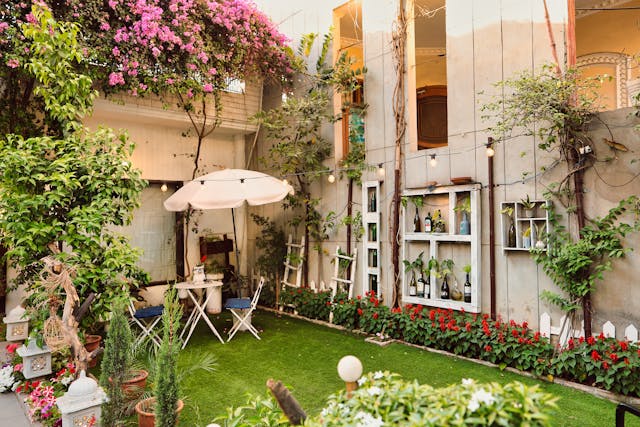

In the rush of daily life, a private outdoor sanctuary can be a priceless refuge. Your garden can be more than just greenery—it can be a peaceful retreat, a place to meditate, relax, and reconnect with nature. With thoughtful design, layering natural elements, water features, fragrant plants, and cozy seating, even a modest backyard can become a serene haven.
Discover how to transform your garden into a peaceful retreat, with practical ideas and inspiration to help you unwind in your own backyard.
1. Choosing the Perfect Location
The first step in designing a garden retreat is finding a quiet corner, away from the main activity areas. Look for spots with natural shade and protection from noise. A secluded area near a tree, shrub, or natural screen helps create a sense of enclosure and privacy.
Consider how sunlight moves across the garden. A balance of sun and shade ensures comfort throughout the day and enhances the growth of plants in your retreat.
2. Incorporating Water Features
Water has an immediate calming effect, making it a cornerstone of any peaceful garden. Whether you choose a small fountain, a birdbath, a pond, or a waterfall, the sound of flowing water drowns out urban noise and introduces a Zen-like atmosphere.
-
Small fountains or birdbaths: Ideal for compact spaces, producing soothing sounds without dominating the garden.
-
Ponds and waterfalls: Provide visual interest and the gentle movement of fish or flowing water.
-
Maintenance: Ensure clean, clear water for health and aesthetics, and integrate it seamlessly into the garden layout.
Water features not only enhance tranquility but also attract birds and wildlife, adding life to your retreat.
3. Creating Meditation Spaces
A dedicated meditation area deepens the sense of calm in your garden. This can be as simple as a quiet nook with a chair or as elaborate as a meditation altar with cushions.
Enhancements to consider:
-
Natural materials: Incorporate wood, stone, or bamboo for grounding energy.
-
Wind chimes or small water features: Introduce subtle sounds that enhance mindfulness.
-
Fragrant plants: Lavender, ferns, or bamboo add seclusion and sensory calm.
These spaces provide a personal haven for reflection, yoga, or quiet relaxation.
4. Designing for Relaxation
Central to a garden retreat is the ability to relax fully. Comfortable seating, hammocks, or loungers invite you to pause and enjoy the moment. Adding soft cushions, outdoor rugs, and blankets enhances comfort while making the space cozy and inviting. Relaxation is not just physical—it’s a mental reset. The garden’s sights, scents, and sounds collectively help reduce stress, ease tension, and restore a sense of calm. Whether it’s reading a book, listening to the birds, or simply breathing in fresh air, the garden becomes your personal oasis.
5. Lush Plantings for Serenity
The right greenery creates visual and emotional calm. Soft, flowing foliage and soothing colors—greens, blues, and whites—set the tone for relaxation.
Recommended plants:
-
Ferns, Hostas, and Lavender: Offer texture, color, and fragrance.
-
Evergreen and deciduous mix: Ensures year-round greenery.
-
Layered planting: Combining different heights and textures enriches the garden’s depth and serenity.
Group plants with similar sunlight and water requirements to simplify care and ensure healthy growth.
6. Pathways and Walkways
Pathways guide movement, create rhythm, and add structure to your garden retreat. Winding gravel, woodchips, or stepping stone paths can create a natural flow through your garden.
Tips:
-
Keep paths comfortably wide and positioned naturally within the landscape.
-
Edge pathways with low-growing plants or groundcovers to enhance intimacy.
-
Use natural materials that blend with the overall garden style.
Well-designed paths invite slow, mindful walks and allow you to explore your retreat fully.
7. Seating and Relaxation Areas
A retreat isn’t complete without comfortable seating. Options include benches, sunbeds, hammocks, or modular outdoor furniture.
-
Durable materials: Choose weather-resistant furniture that requires minimal maintenance.
-
Comfort additions: Cushions, blankets, and outdoor rugs add warmth and a personal touch.
-
Flexible seating: Movable pieces allow you to follow the sun, enjoy seasonal views, or accommodate guests.
Arrange seating to provide views of key features like water, flowers, or shaded meditation areas.
8. Incorporating Natural Elements
Rocks, stones, and wood create a connection to nature, serving as decorative, functional, or structural elements.
-
Use boulders or rock gardens to create focal points.
-
Include wooden bridges, benches, or decking for warmth and texture.
-
Source local materials to maintain harmony with the surrounding landscape.
These natural touches enhance the garden’s authenticity and provide tactile and visual interest.
9. Lighting for Mood and Ambiance
Lighting sets the mood, extending the enjoyment of your garden into the evening. Warm, soft lighting emphasizes tranquility while guiding movement.
Options include:
-
Fairy lights or string lights: Drape over pergolas or trees for gentle illumination.
-
Lanterns and solar path lights: Add subtle accents and define pathways.
-
Dimmers: Adjust lighting intensity according to time of day and mood.
Strategically placed lights highlight features and create a welcoming, cozy atmosphere.
10. Personal Touches
Make the garden uniquely yours with elements that reflect personality:
-
Sculptures, artwork, or handcrafted ornaments.
-
Favorite plant varieties, cultural items, or handmade décor.
-
Seasonal or rotating decorations for freshness and interest.
These touches make the retreat feel intimate, meaningful, and inviting.
Conclusion: Your Private Sanctuary Awaits
A serene garden retreat combines location, water, plants, lighting, natural elements, and relaxation-focused spaces to create a harmonious escape. By layering sensory experiences and incorporating personal touches, your backyard transforms into a peaceful haven—a space to meditate, unwind, and recharge.
A well-planned garden retreat isn’t just an aesthetic upgrade; it’s a lifestyle enhancement, offering a daily sanctuary where you can step away from the hustle and reconnect with nature and yourself.