

New Delhi, Aug 31: President Droupadi Murmu has called on India’s next generation of fashion professionals to combine global ambition with the country’s rich cultural heritage, saying creativity, technology and traditional craftsmanship can together give Indian fashion a stronger presence on the world stage.
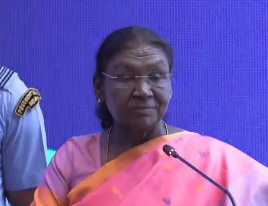
Addressing the combined convocation of 18 National Institute of Fashion Technology (NIFT) campuses in New Delhi, Murmu encouraged graduating students to look beyond conventional career goals and use their skills to create opportunities for both the fashion industry and traditional artisan communities.
The President described India’s textile and apparel sector as an important part of the country’s cultural identity as well as a major source of livelihood for millions. She emphasised that the growth of modern fashion should go hand in hand with efforts to protect the knowledge and skills passed down through generations.
Murmu stressed the importance of supporting weavers and artisans with modern knowledge, better market access and new opportunities. She highlighted initiatives such as NIFT’s Craft Cluster Initiative, which helps traditional craft communities understand contemporary techniques and connect their work with evolving markets.
According to the President, this combination of tradition and innovation can help Indian crafts reach wider audiences without losing their original character.
She also placed strong emphasis on sustainability, urging future fashion professionals to rethink how products are designed, manufactured and consumed. Greater use of locally available materials and innovative reuse of textile waste, she said, can help reduce the environmental footprint of the industry.
The message comes at a time when sustainability is becoming increasingly important across the global fashion industry. For India, adopting responsible production practices while promoting its traditional textiles could create an opportunity to differentiate Indian products in international markets.
Murmu also encouraged graduates to contribute to the broader development of the country. She said the success of young professionals should not be measured only by personal achievements but also by their ability to create wider opportunities and contribute to the growth of communities.
Traditional artisans, in particular, stand to benefit when modern design and technology are combined with indigenous skills. Improving their productivity and incomes while maintaining the authenticity of their crafts can help preserve cultural heritage while creating sustainable livelihoods.
The President linked the role of young talent to India’s wider development ambitions, including the goal of building a Viksit Bharat by 2047. She urged graduates to use their education, imagination and professional skills to contribute meaningfully to that vision.
For the Indian fashion and textile industry, the message is clear: global competitiveness does not have to come at the cost of cultural identity. By bringing together Indian craftsmanship, contemporary design, technology and sustainability, the country can build fashion brands and products that appeal to international consumers while remaining rooted in India.
As NIFT graduates begin their professional journeys, they carry with them an opportunity to shape not only the future of fashion but also the way Indian culture, craftsmanship and creativity are presented to the world.