

New Delhi/Amsterdam, May 21: During his State Visit to the Netherlands, Prime Minister Narendra Modi highlighted India’s rich cultural and artistic heritage by presenting a carefully curated selection of traditional crafts and artworks to Dutch leaders. The gesture underscored India’s growing use of cultural diplomacy to strengthen international partnerships and promote its indigenous craftsmanship on the global stage.
The gifts included Blue Pottery from Jaipur, Meenakari and Kundan jewellery from Rajasthan, and a Madhubani painting from the Mithila region, each representing India’s diverse artistic traditions and centuries-old craftsmanship techniques.
King Willem-Alexander of the Netherlands received a GI-tagged Blue Pottery piece, known for its striking cobalt-blue designs and unique production method that uses quartz powder and glass instead of clay. The craft, deeply rooted in Rajasthan’s heritage, reflects India’s mastery of ceramic artistry and finds cultural resonance with the Netherlands’ famous Delft Blue pottery tradition, symbolising shared appreciation for fine craftsmanship between the two nations.
Queen Máxima was presented with Meenakari and Kundan earrings, showcasing Rajasthan’s royal jewellery-making legacy. While Meenakari is known for its intricate enamel work in vibrant colours, Kundan represents the traditional art of setting uncut gemstones in gold foil. The colour palette of the jewellery—orange and blue—was also thoughtfully chosen, reflecting Dutch national symbolism and strengthening cultural connection through design.
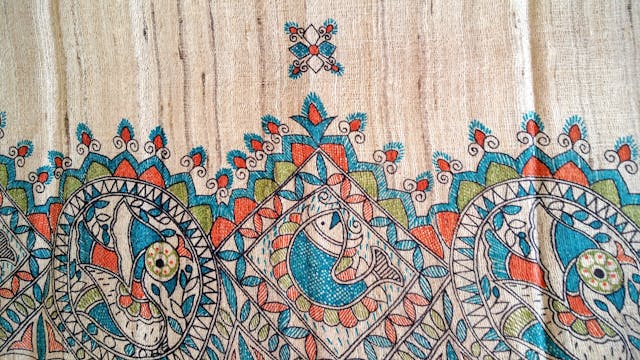
Dutch Prime Minister Rob Jetten received a Madhubani painting featuring a fish motif, a celebrated folk art from Bihar’s Mithila region. Traditionally created by women artists, Madhubani paintings are known for their intricate patterns and vibrant storytelling rooted in nature, mythology, and daily life. The fish motif in particular symbolizes prosperity, harmony, and ecological balance.
The artwork also carried a contemporary message, drawing a subtle parallel with the Netherlands’ Fish Migration River project at Afsluitdijk, which restores aquatic ecosystems and supports biodiversity. This connection highlighted shared global priorities such as environmental sustainability and cultural awareness.
Beyond their artistic value, the gifts reflect India’s strategic effort to promote its handloom, handicraft, and folk-art traditions internationally, supporting artisans while strengthening cultural and economic ties with partner countries. Through such exchanges, India continues to position its heritage as a key pillar of soft power diplomacy, fostering mutual respect, sustainability, and cross-cultural understanding.