
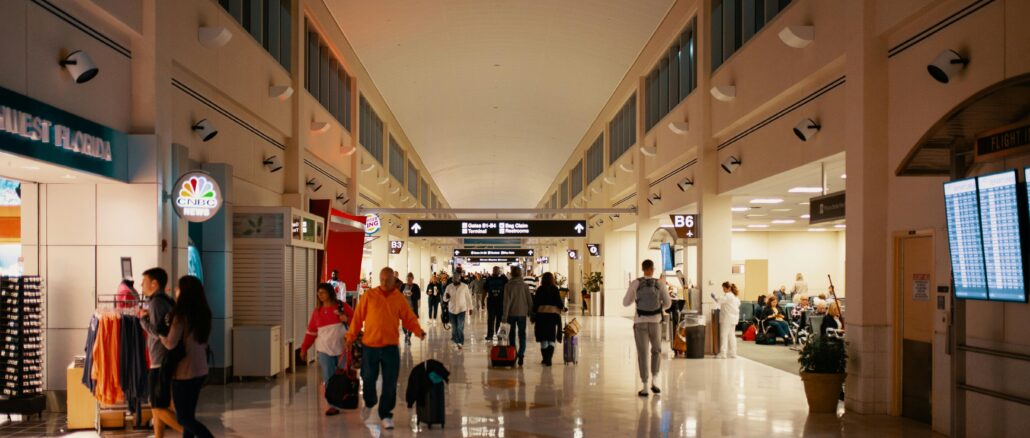

Introduction: Airports Are No Longer Just Transit Points
In the evolving landscape of global business travel, airports are undergoing a fundamental transformation. Once viewed primarily as transit points, modern airports are increasingly emerging as dynamic business hubs that support productivity, connectivity, and speed. As international trade, corporate mobility, and remote collaboration continue to expand, airports are redefining their role to meet the expectations of time-sensitive business travelers.
This shift is driven by growing demand for seamless travel experiences, where efficiency extends beyond flight schedules to include premium services, high-speed connectivity, and fast passenger processing. Airports worldwide are responding by investing heavily in infrastructure, technology, and service innovation, positioning themselves as strategic enablers of business operations rather than passive transportation nodes.
From executive lounges and smart security lanes to integrated digital platforms and biometric boarding, airports are aligning their offerings with the priorities of modern corporate travelers. This evolution reflects a broader recognition that business travel is a high-value segment, essential to both airport revenues and regional economic growth.
Why Business Travel Shapes Modern Airport Strategy
Business travel has become a central pillar of airport strategy, influencing everything from terminal design to commercial planning. Corporate travelers typically generate higher per-passenger revenue than leisure travelers, spending more on premium seating, lounge access, parking, dining, and ancillary services.
According to industry estimates, global business travel spending continues to grow steadily, reinforcing the importance of this segment for airports. In response, airport authorities are reimagining facilities to better accommodate professionals who value time efficiency, comfort, and reliability.
Dedicated business lounges, priority immigration lanes, flexible check-in options, and proximity to financial districts are now key differentiators among airports competing to attract corporate traffic. Additionally, airports increasingly prioritize air routes that connect major commercial centers, strengthening their role in regional and global business ecosystems.
By aligning airport strategy with corporate travel needs, airports not only enhance profitability but also contribute to economic development by enabling faster, more efficient movement of people and ideas.
The Growing Importance of Premium Airport Services
Premium airport services have moved from being optional luxuries to essential components of the business travel experience. Time-constrained professionals expect airport journeys to be smooth, predictable, and efficient, prompting airports to expand their suite of high-value offerings.
Key premium services include:
Priority check-in and boarding
Fast-track security and immigration
Exclusive airport lounges
Personal concierge and porter services
Premium parking and valet options
These services reduce friction across the travel journey, allowing business travelers to focus on meetings, decision-making, and productivity rather than logistics. For airports, premium services also represent a significant revenue opportunity, enabling monetization through memberships, day passes, and corporate partnerships.
Airport Lounges: From Waiting Areas to Productivity Zones
Airport lounges have undergone a remarkable evolution, transforming from quiet waiting rooms into fully functional business environments. Today’s premium lounges are designed to support productivity, collaboration, and wellness.
Modern airport lounges typically offer:
High-speed Wi-Fi and secure networks
Dedicated workstations and private meeting rooms
Video conferencing facilities
Power outlets and wireless charging
Premium dining and wellness amenities
For business travelers navigating tight schedules and time zone differences, lounges function as temporary offices where critical tasks can be completed without interruption. This shift has elevated lounges into strategic assets for airports, airlines, and corporate travel programs alike.
Connectivity: Powering Business Travel in Real Time
Connectivity is the backbone of airports as business hubs. In an era where real-time communication is non-negotiable, airports must provide reliable, high-speed digital infrastructure across terminals.
Most major international airports now offer:
Seamless high-speed Wi-Fi
Smart airport apps for navigation and flight updates
Digital boarding passes and biometric access
Integrated collaboration and communication tools
These technologies allow travelers to remain connected throughout their journey, minimizing downtime and uncertainty. Airports are also investing in smart work zones, privacy pods, and quiet areas that cater specifically to professionals who need focused environments.
Enhanced connectivity not only improves passenger experience but also reinforces the airport’s role as an extension of the modern workplace.
Speed as a Competitive Advantage for Airports
In business travel, speed is a decisive factor. Airports that enable faster movement from curb to gate—and from landing to exit—gain a significant competitive edge.
To achieve this, airports are adopting:
Self-service check-in and bag-drop kiosks
Biometric identification and facial recognition
Automated immigration and security screening
Real-time passenger flow analytics
These innovations dramatically reduce wait times while improving security and operational efficiency. By minimizing delays and bottlenecks, airports enhance traveler satisfaction and increase overall throughput—benefiting airlines, passengers, and airport operators alike.
Strategic Partnerships with Airlines and Corporations
Partnerships play a vital role in strengthening airports as business hubs. Airports increasingly collaborate with airlines, hotel chains, technology firms, and corporate travel managers to deliver integrated experiences.
Examples of strategic collaborations include:
Co-branded premium lounges
Corporate travel packages and loyalty programs
Seamless hotel-airport transfer services
Digital travel management platforms
Such partnerships create value across the travel ecosystem, improving convenience for business travelers while unlocking new revenue streams for airports and service providers.
Monetizing Premium Services in the Airport Ecosystem
As competition intensifies, airports are adopting innovative monetization strategies to capitalize on premium demand. Subscription-based lounge access, fast-track security passes, and bundled business travel services are becoming increasingly common.
Many airports now offer:
Annual or corporate lounge memberships
Paid fast-track security and immigration access
On-demand meeting rooms and workspaces
Tiered premium service packages
These models enable airports to diversify revenue while delivering tangible value to frequent business travelers. Monetization of premium services also supports continued investment in infrastructure and technology.
The Future of Airports as Business Hubs
The evolution of airports into business hubs is far from complete. As corporate travel patterns continue to shift, airports will need to remain agile, innovative, and customer-centric.
Emerging trends likely to shape the future include:
AI-powered passenger services
Fully contactless journeys
Smart terminals with predictive analytics
Greater integration with urban business districts
Airports that successfully balance speed, connectivity, and premium services will position themselves as indispensable enablers of global business. In doing so, they will move beyond transportation infrastructure to become active participants in the world’s economic and commercial networks.