
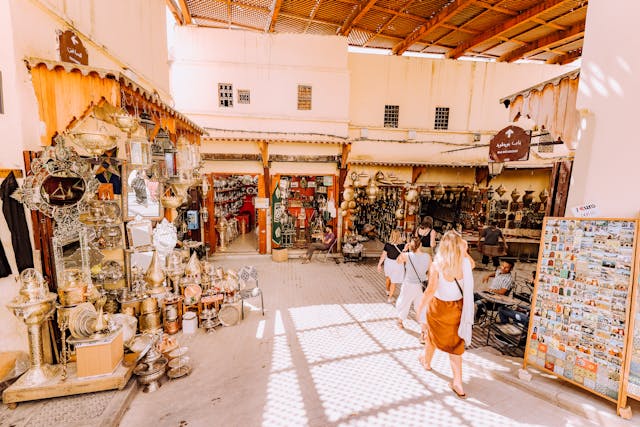

Not long ago, luxury travel meant distance—from crowds, from routine, and often from the destination itself. Five-star resorts promised sameness and certainty, offering travellers familiar comforts no matter where they landed. Today, that idea of luxury is quietly fading. In its place, a new travel philosophy is taking hold—one that values local experiences, human connection, and cultural immersion over excess and isolation.
This shift is not only changing how people travel, but also transforming the tourism industry and local economies around the world.
Why Travellers Are Choosing Local Over Lavish
Modern travellers are no longer satisfied with simply seeing a place—they want to understand it. Staying in homestays, eating regional food, learning crafts from local artisans, and participating in everyday life create experiences that feel personal and meaningful.
These interactions foster genuine connections and offer insight into a destination’s soul. Unlike standardised luxury experiences, local travel feels unique and irreplaceable. Each journey becomes a story rather than a checklist.
For many travellers, especially younger generations, travel is also an extension of personal values. Purpose, sustainability, and social impact now influence decisions as much as comfort and price.
The Rise of Experiential Luxury
Luxury has not disappeared—it has evolved. Today’s “experiential luxury” prioritises authenticity, intimacy, and depth. It may involve a beautifully restored heritage home rather than a global hotel chain, or a curated walk through a neighbourhood guided by a resident rather than a tour bus.
This form of luxury is defined by:
-
Meaningful engagement with local culture
-
High-quality experiences with low environmental impact
-
Comfort that complements, rather than dominates, the destination
Travellers are willing to pay for experiences that feel real, ethical, and enriching.
Impact on the Tourism Sector
The shift toward local experiences is reshaping the tourism industry in several important ways:
1. Diversification of Tourism Offerings
Tourism is no longer limited to landmark attractions and resort hubs. Villages, small towns, and lesser-known regions are emerging as destinations in their own right, easing pressure on overcrowded hotspots.
2. Growth of Community-Based Tourism
Homestays, local guides, craft workshops, food trails, and cultural tours are gaining prominence. This decentralisation allows tourism benefits to reach beyond large corporations to individuals and small businesses.
3. Demand for Skill-Based Services
Local storytelling, culinary expertise, traditional knowledge, and artisanal skills are becoming valuable tourism assets. This encourages skill development and cultural preservation.
4. Sustainable Travel Models
Experiential travel often involves slower movement, longer stays, and lower resource consumption, supporting sustainability goals and responsible tourism practices.
Economic Benefits for Local Communities
The economic impact of local travel is more direct and inclusive than traditional luxury tourism:
-
Income Retention: Money spent on homestays, local food, and community tours stays within the local economy
-
Job Creation: Tourism generates employment for guides, artisans, transport providers, and small entrepreneurs
-
Women and Youth Empowerment: Many community-based tourism ventures are led by women and young people, opening new income streams
-
Resilience for Rural Economies: Tourism diversifies income sources, reducing dependence on agriculture or seasonal work
Instead of concentrating wealth in a few high-end properties, experiential travel distributes economic value across communities.
Stronger Destinations, Richer Narratives
Destinations that embrace local experiences develop stronger identities. Visitors remember people, stories, and moments—not just monuments. This emotional connection encourages repeat visits, word-of-mouth promotion, and long-term destination loyalty.
For tourism boards and policymakers, investing in local experiences enhances branding while preserving cultural authenticity.
A More Sustainable Future for Travel
As global travel resumes its upward trajectory, the industry faces a choice: scale luxury outward or deepen tourism inward. The growing preference for local experiences suggests that travellers are seeking depth over display.
This evolution offers a rare opportunity—to build a tourism model that is economically inclusive, culturally respectful, and environmentally responsible.
The New Meaning of Luxury
Luxury today is no longer about how far one can withdraw from reality, but how deeply one can engage with it. In choosing local experiences, travellers are not giving something up—they are gaining something far more valuable: connection, understanding, and a sense of belonging.
And in doing so, they are helping tourism evolve into a force that benefits not just travellers, but the places and people they visit.