
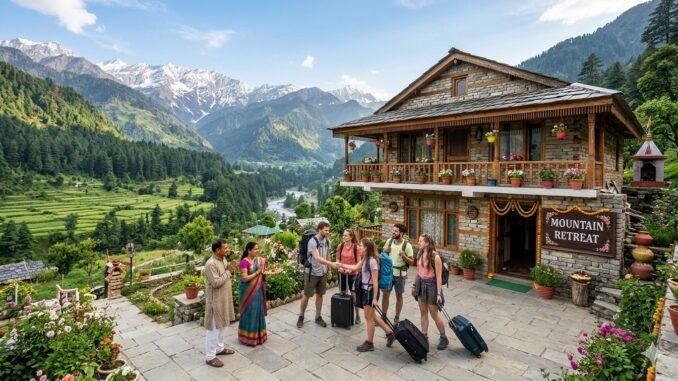
Nov 10: India’s tourism industry is changing, and accommodation choices are changing with it. While hotels and resorts continue to attract travellers, more people are exploring homestays for a different kind of holiday. They want to experience local food, understand regional traditions and stay in places that offer a closer connection with the destination.
From mountain villages and coastal communities to heritage towns and rural locations, homestays are becoming an important part of India’s hospitality landscape. For property owners, they offer an opportunity to earn additional income. For travellers, they provide a more personal alternative to conventional accommodation.
The growing interest in experiential travel, domestic tourism and lesser-known destinations is creating fresh opportunities for India’s homestay industry. It is also opening up business possibilities for local entrepreneurs, property managers, tourism operators and digital service providers.
Why India’s Homestay Industry Is Attracting Attention
A homestay is no longer simply a spare room offered to a visitor. Many properties are developing into organised hospitality businesses, with dedicated guest rooms, local food experiences, guided activities and personalised services.
The economic potential of this segment is reflected in NITI Aayog’s June 2025 report, Rethinking Homestays: Navigating Policy Pathways. The report estimated India’s homestay market revenue at ₹4,722 crore in 2024 and cited a projected compound annual growth rate of 11% over the period it examined.
The appeal of homestays also extends beyond accommodation revenue. Visitors may spend on local transport, food, handicrafts, sightseeing, cultural activities and guided tours. This allows tourism income to reach smaller businesses and households within the destination.
For communities that have limited opportunities to participate in mainstream tourism, homestays can provide an additional source of income.
Why Travellers Are Choosing Homestays Over Conventional Hotels
Hotels remain an important part of the accommodation market, particularly for business travellers and visitors looking for standardised facilities. However, homestays offer a different experience that appeals to people who want more personal interaction and a closer connection with local communities.
The choice often depends on the purpose of the trip.
Hotels generally offer established service systems, multiple facilities, standardised room categories and professional front-desk support. Homestays, on the other hand, may offer home-cooked meals, local recommendations, flexible arrangements and opportunities to experience regional culture.
For families and larger groups, an entire homestay property may also provide shared spaces and greater flexibility. Travellers planning longer stays may prefer properties with kitchens, laundry facilities and a more residential atmosphere.
Neither accommodation model is suitable for every traveller. The opportunity for homestay operators lies in identifying the customers who value local experiences, personalised hospitality and distinctive locations.
Changing Traveller Preferences Are Supporting Demand
Several travel preferences are contributing to the growing interest in homestays.
Experiential travel: Visitors increasingly want to understand the places they explore. Staying with local hosts can introduce them to regional cuisine, traditions and everyday experiences.
Family holidays: Families and groups may prefer properties with multiple rooms, shared spaces and flexible arrangements.
Workcations and longer stays: People working remotely may look for accommodation with reliable internet, comfortable workspaces and access to local amenities. Homestays that offer these facilities can attract longer bookings.
Nature-based holidays: Properties near mountains, forests, plantations, beaches and rural landscapes can appeal to travellers seeking a break from crowded tourist centres.
Personalised hospitality: Local hosts can offer recommendations about restaurants, attractions and activities that visitors may not discover through conventional travel guides.
These changing preferences are encouraging property owners to think about what makes their accommodation different and how they can create a more memorable guest experience.
Online Booking Platforms Are Helping Small Properties Reach More Travellers
Digital platforms have changed how people discover and book accommodation. Earlier, many homestay owners depended on local travel agents, word-of-mouth recommendations and repeat customers. Reaching travellers from other states or countries was often difficult.
Online booking platforms have made that process easier. Property owners can now display photographs, share facilities, communicate with potential guests and receive bookings from a wider audience.
This digital shift is also attracting institutional attention. In September 2026, Airbnb announced a two-year partnership with India’s Ministry of Tourism to support the homestay ecosystem. The initiative includes host training, digital onboarding, capacity-building and destination promotion, with an emphasis on encouraging tourism beyond traditional hotspots.
For independent operators, however, simply listing a property online is not enough. Good photographs, accurate descriptions, transparent pricing and timely responses can influence whether a traveller chooses one property over another.
Guest reviews also matter. A clean room, helpful host and well-managed booking experience can encourage positive feedback and repeat visits.
Emerging Destinations Are Opening New Opportunities
Homestays can help travellers explore destinations that may not have a large hotel infrastructure but offer distinctive cultural, natural or heritage experiences.
Mountain communities, plantation regions, coastal villages and traditional settlements can all support this accommodation model.
Parts of Uttarakhand, Himachal Pradesh, Sikkim, Northeast India, Rajasthan and southern India offer different opportunities for homestay development. Smaller towns and villages can also attract visitors through local food, traditional crafts, agricultural activities and nature-based experiences.
For example, a property near a plantation could offer guided walks and local food experiences. A rural homestay could work with artisans and local guides to introduce guests to traditional crafts and community life.
Such activities give visitors more reasons to stay longer and spend within the local economy.
However, location alone does not guarantee success. Accessibility, cleanliness, safety, reliable facilities and the quality of the overall experience remain important.
Homestay Business in India: Investment and Revenue Opportunities
For property owners considering a homestay business in India, the model can offer a relatively accessible entry into the hospitality sector. An existing residential property with suitable rooms may be adapted for guest accommodation, subject to applicable regulations and property requirements.
However, the investment depends on the property’s condition, location, number of rooms and the facilities expected by the target audience.
Some of the main cost considerations include:
- Room renovation, furniture and interior improvements.
- Bathrooms, plumbing and electrical upgrades.
- Bedding, linen and guest amenities.
- Internet connectivity and basic technology.
- Kitchen facilities and food arrangements.
- Housekeeping and property maintenance.
- Registration, safety measures and applicable compliance costs.
- Website development, photography and marketing.
Revenue generally depends on the number of rooms available, average room rate, occupancy and additional services. A property may generate income through accommodation, meals, local tours, transport arrangements and curated guest experiences.
For example, a homestay offering guided plantation visits or regional cooking experiences may have opportunities to earn beyond room bookings. Similarly, properties near popular trekking routes or cultural attractions may attract visitors looking for specialised stays.
However, potential revenue should not be confused with guaranteed profit. Operators need to account for maintenance, staff, utilities, platform commissions, seasonal demand and other operating expenses.
A practical business plan should estimate different occupancy scenarios rather than assume that rooms will remain occupied throughout the year.
Occupancy Management Will Be Important for Long-Term Growth
One of the biggest challenges for a homestay owner is maintaining bookings beyond peak travel periods.
Tourism demand can fluctuate depending on weather, school holidays, festivals, local events and accessibility. A property that performs well during a holiday season may experience lower occupancy during other months.
Operators can address this by understanding their target customers and developing offers for different periods.
For example, a property could promote longer stays for remote workers, weekend packages for nearby city residents or local experiences during quieter travel periods. Partnerships with tour operators and corporate travel organisers may also help generate bookings.
Pricing needs to reflect demand, operating costs and the property’s positioning. Excessively low prices may affect profitability, while unrealistic rates can make a property less competitive.
Monitoring booking patterns, guest feedback and seasonal performance can help owners make better pricing and marketing decisions.
Homestays Are Creating Business Opportunities Beyond Accommodation
One of the interesting aspects of the homestay business model is that it can support several related activities.
A property owner may earn through accommodation, but the surrounding community can benefit from the additional spending generated by visitors.
This creates opportunities for:
- Local food businesses and home-based catering.
- Tour guides and sightseeing operators.
- Taxi and local transport providers.
- Adventure and outdoor activity organisers.
- Handicraft makers and local product sellers.
- Housekeeping, laundry and property maintenance services.
- Homestay management companies.
- Photography and digital marketing agencies.
A homestay operator, for instance, may partner with a local guide to offer nature walks or cultural tours. Another property could work with nearby restaurants and food producers to introduce guests to regional cuisine.
These partnerships can make the visitor experience more engaging while creating additional income opportunities for local businesses.
Government Support Could Help Homestays Become More Organised
The growth of the sector will depend partly on how easily small property owners can establish and manage their businesses.
NITI Aayog’s 2025 report examined differences in state-level regulations and highlighted challenges involving registration, compliance, incentives and operating requirements. It also recommended a more supportive policy framework to encourage the sector while maintaining appropriate standards.
There are several government initiatives relevant to homestay development.
The Ministry of Tourism operates a voluntary classification scheme for eligible Incredible India Bed and Breakfast and Homestay Establishments, with Gold and Silver categories.
The Union Budget 2025–26 also announced collateral-free institutional credit through MUDRA loans for homestays. In addition, the Pradhan Mantri Janjatiya Unnat Gram Abhiyan includes the development of 1,000 homestays in tribal areas, subject to the scheme’s guidelines.
These measures could help eligible entrepreneurs access finance, improve facilities and develop more professional hospitality operations.
However, requirements can vary across states and local authorities. Anyone planning to start a homestay should check the applicable registration, building, safety, taxation and other compliance requirements before accepting guests.
Professional Property Management Can Improve Business Performance
As the number of homestays increases, managing reservations, guest communication, cleaning, maintenance and pricing can become demanding, particularly for owners who do not live near their properties.
This creates an opportunity for professional homestay and property management companies.
These service providers can support owners with listing management, reservation coordination, housekeeping, maintenance, guest check-in and customer communication. They can also help maintain consistent service standards across multiple properties.
For property owners who want to participate in the hospitality market without managing every operational detail themselves, professional management can be a useful option.
Technology-enabled property management systems can further simplify bookings, availability updates, payments and guest records. The right combination of technology and on-ground support can improve efficiency and reduce operational pressure.
Digital Marketing Will Become More Important for Homestay Businesses
As more properties enter the market, homestay operators will need to think beyond listing their rooms on booking platforms. Building a recognisable identity and attracting the right customers will become increasingly important.
Digital marketing can help even small properties reach travellers who are searching for specific experiences or destinations.
Search engine optimisation can improve the visibility of a website or property listing. Social media can showcase rooms, surroundings, local food and guest experiences. Content marketing can introduce visitors to nearby attractions and activities.
Some useful marketing activities include:
Local SEO: Creating relevant website content and property information that helps travellers discover accommodation in a particular destination.
Social media marketing: Sharing photographs, short videos and stories that communicate the property’s atmosphere and local experiences.
Online reputation management: Responding to guest feedback and maintaining a consistent standard of service.
Content marketing: Publishing destination guides, travel tips and articles about local culture, attractions and activities.
Direct bookings: Developing a professional website and convenient enquiry process to encourage repeat customers and direct communication.
Digital marketing agencies can also help homestay businesses with website development, search optimisation, social media campaigns, photography, content creation and online advertising. For small operators, this can provide access to specialised marketing support without building a full in-house team.
Challenges Homestay Owners Need to Consider
Although the business opportunity is attractive, running a homestay requires more than preparing a room for visitors.
Many small operators have limited experience in hospitality management, digital marketing and customer service. Some also face difficulties accessing finance or maintaining occupancy throughout the year.
Common challenges include:
- Seasonal fluctuations in bookings.
- Costs involved in renovation and property maintenance.
- Competition from hotels and other accommodation providers.
- Limited experience with online booking platforms.
- Registration and compliance requirements.
- Maintaining hygiene, safety and consistent service quality.
- Dependence on local transport and tourism infrastructure.
Customer experience can make a significant difference. A property with attractive photographs may generate initial interest, but poor maintenance or unresponsive service can affect its reputation.
Homestay owners need to focus on cleanliness, accurate property descriptions, transparent pricing and prompt communication. Professional hospitality does not necessarily require expensive facilities, but it does require consistency and attention to detail.
What the Future Holds for India’s Homestay Industry
India’s homestay industry is gradually becoming a more organised part of the country’s tourism and hospitality ecosystem. Growing interest in local experiences, digital booking access and government attention to community-based tourism are creating opportunities for smaller accommodation providers.
The business potential also extends to companies offering property management, booking technology, hospitality training, digital marketing and destination experiences.
For entrepreneurs, homestays can offer an entry point into the tourism industry without the investment generally associated with building a large hotel. For local communities, they can support household income, create employment and encourage visitors to explore lesser-known destinations.
The next phase of growth will depend on how well operators balance commercial opportunities with service quality, environmental responsibility and the interests of local communities.
Conclusion: Homestays Could Become a Stronger Part of India’s Tourism Economy
India’s growing homestay industry is creating new possibilities for the country’s tourism and hospitality businesses. As travellers look for more personal and locally connected experiences, homestays are becoming an attractive alternative to conventional accommodation.
The sector’s long-term success will depend on professional management, digital visibility, realistic investment planning, access to finance, supportive policies and consistent guest experiences.
For property owners and local entrepreneurs, this is an opportunity to participate in India’s tourism growth while creating businesses rooted in their own communities. For companies supporting the hospitality sector, it also opens up opportunities in technology, property management and digital marketing.
With the right approach, homestays can become more than an additional source of accommodation. They can contribute to local enterprise, employment and a more diverse tourism economy.
