
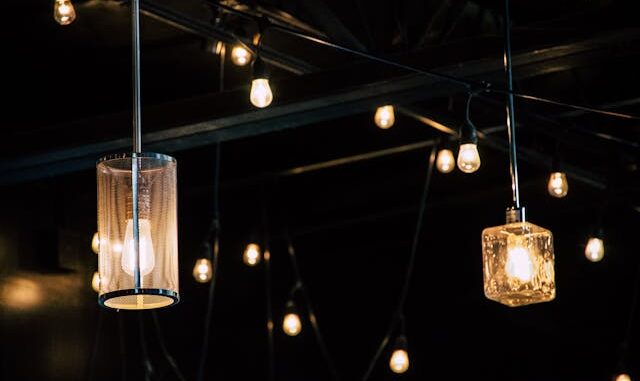

Pendant lighting has become a defining element in modern interior design, moving far beyond its traditional role as a simple light source. In today’s homes—where open layouts, multifunctional rooms, and minimalist aesthetics dominate—pendant lights serve as powerful design tools that shape mood, structure space, and enhance visual identity.
They exist in a unique position between statement lighting and subtle illumination—offering presence without overpowering the room.
A Perfect Balance Between Function and Visual Design
Unlike chandeliers that demand attention or recessed lights that fade into the ceiling, pendant lighting strikes a refined balance. Suspended at eye level, it naturally draws attention while maintaining elegance and simplicity.
This makes it especially effective in modern open-plan homes, where physical boundaries are minimal. A well-placed pendant can subtly define different zones—kitchens, dining areas, or reading corners—using light instead of walls.
In essence, pendant lighting helps organize space while preserving openness.
Lighting That Defines Space and Purpose
Modern interior design increasingly relies on layered lighting strategies, and pendant lights play a central role in this approach.
They are commonly used to:
- Highlight kitchen islands for focused task lighting
- Create intimacy above dining tables
- Define seating areas in living rooms
- Add comfort and clarity to reading corners
This flexibility allows a single lighting concept to serve both practical and emotional needs within the same home.
Design Details: Scale, Material, and Placement
The impact of pendant lighting depends heavily on proportion and design choices. A fixture that is too small may disappear visually, while an oversized piece can dominate the space unnecessarily.
Proper spacing—especially when using multiple pendants—ensures visual harmony and balance.
Material selection further shapes the atmosphere:
- Glass adds lightness and transparency
- Metal finishes like brass or matte black introduce modern sophistication
- Natural textures such as rattan or wood bring warmth and organic character
When coordinated with surrounding hardware and furnishings, pendant lighting contributes to a unified interior style.
Living Room: Versatile Mood Creation
In the living room, pendant lighting adapts easily to changing moods and activities. It can function as a soft decorative centerpiece or a focused lighting element above seating areas.
Clustered pendants create depth and visual interest, while dimmable features allow seamless transitions—from bright social settings to relaxed evening ambiance.
This adaptability makes pendant lighting especially valuable in multifunctional living spaces.
Dining Area: Creating Warmth and Connection
Dining spaces benefit significantly from pendant lighting due to its ability to create intimacy. By focusing light directly over the table, it naturally draws attention to the dining experience while softening the surrounding environment.
This controlled lighting effect encourages conversation and comfort, making meals feel more connected and engaging. It is a design technique widely used in hospitality spaces and increasingly adopted in homes.
Kitchen: Precision Meets Aesthetic Function
In kitchens, pendant lighting serves a primarily functional role. Positioned above islands or countertops, it provides direct illumination for cooking, preparation, and daily tasks.
Even spacing and downward-focused light ensure clarity and safety, while contemporary designs add a stylish edge to the space. Industrial and minimal pendant styles are particularly popular in modern kitchens.
Bedroom: Soft Illumination for Restful Design
Bedrooms require calm and controlled lighting, and pendant fixtures are increasingly replacing traditional bedside lamps.
Hanging pendants beside the bed frees up surface space while adding a modern architectural feel. Warm lighting tones and dimmable options help maintain a relaxed atmosphere suited for rest and recovery.
This approach blends functionality with visual simplicity.
Entryway: Setting the First Impression
Entryways benefit from statement pendant lighting that sets the tone for the entire home. Since these spaces are transitional, lighting here is more about atmosphere than task function.
A well-chosen pendant creates warmth and welcomes guests with a strong visual identity, offering an immediate sense of style and character.
Conclusion: Lighting as an Experience, Not Just Illumination
Pendant lighting has evolved into a core element of modern interior storytelling. It not only illuminates spaces but also defines how they feel and function.
By balancing focus, atmosphere, and design harmony, pendant lighting transforms everyday interiors into thoughtfully curated environments.
In modern homes, light is no longer just functional—it is emotional, architectural, and deeply personal.