
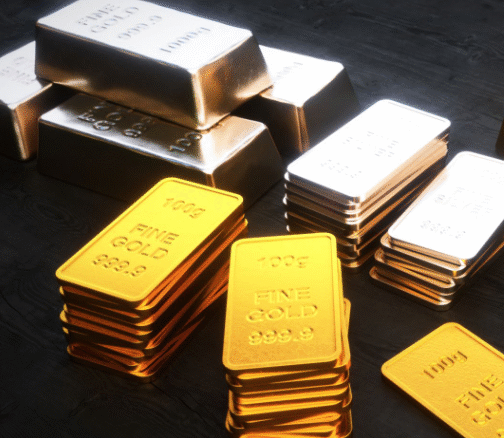

New Delhi, May 13: In a significant policy move aimed at safeguarding the economy, the Indian government has increased import duties on gold, silver, and other precious metals. The decision comes at a time when global markets remain volatile, with rising geopolitical tensions, fluctuating oil prices, and currency pressures continuing to impact economies worldwide.
India, one of the world’s largest consumers of gold, imports a major share of its precious metal requirements. Over the past few months, rising bullion imports have added pressure on the country’s trade deficit and foreign exchange reserves. By raising import duties, the government hopes to reduce excessive inflows of non-essential imports while also supporting the Indian rupee against global currency volatility.
The revised duty structure has pushed the effective import tax on gold and silver significantly higher, making imported precious metals more expensive in the domestic market. Officials believe the move could help improve India’s macroeconomic resilience by controlling the import bill and easing pressure on external finances.
The impact of the announcement was immediately visible in local commodity markets, where gold and silver prices moved sharply higher. Traders expect domestic jewellery prices to rise further in the coming weeks, especially as global gold prices are already hovering near record levels due to strong safe-haven demand.
The policy also aligns with the government’s broader efforts to encourage domestic value addition and reduce dependence on imports. Earlier this year, authorities tightened trade norms related to precious metal jewellery imports to prevent misuse of concessional duty routes and support local manufacturing.
While economists have largely welcomed the move as a step toward strengthening economic stability, the bullion industry has expressed mixed reactions. Some traders fear that higher duties could hurt jewellery demand, particularly during the festive and wedding seasons, when gold purchases typically rise across India. Others warn that steep import taxes may once again encourage illegal gold smuggling, an issue that had eased after previous duty reductions.
Despite higher prices, investment demand for gold in India has remained resilient. Many investors continue to view gold as a safe asset amid uncertainty in global equity markets and concerns over slowing economic growth in several major economies. This trend has also boosted interest in gold-backed investment products and exchange-traded funds in recent months.
Market experts believe the government is trying to strike a careful balance between protecting economic stability and managing domestic demand. While consumers may face costlier jewellery purchases in the short term, policymakers are betting that the move will help strengthen the country’s financial position and reduce vulnerability to global economic shocks.