

New Delhi, June 5: Prime Minister Narendra Modi on Thursday celebrated a major environmental milestone as the Jai Prakash Narayan Bird Sanctuary (Surha Tal) in Ballia, Uttar Pradesh, was designated as India’s 100th Ramsar site, marking a significant achievement in the country’s wetland conservation efforts.
A century as far as Ramsar sites are concerned!
Glad that the Jai Prakash Narayan Bird Sanctuary (Surha Tal) in Ballia, Uttar Pradesh has been designated as India’s 100th Ramsar site. This wetland is rich in avifaunal biodiversity, attracting several migratory and resident… pic.twitter.com/HENtPJoRnt
— Narendra Modi (@narendramodi) June 5, 2026
Calling it a proud moment for the nation, the Prime Minister said the recognition reflects India’s growing and sustained commitment to protecting its natural ecosystems, particularly wetlands that play a crucial role in maintaining ecological balance and supporting biodiversity.
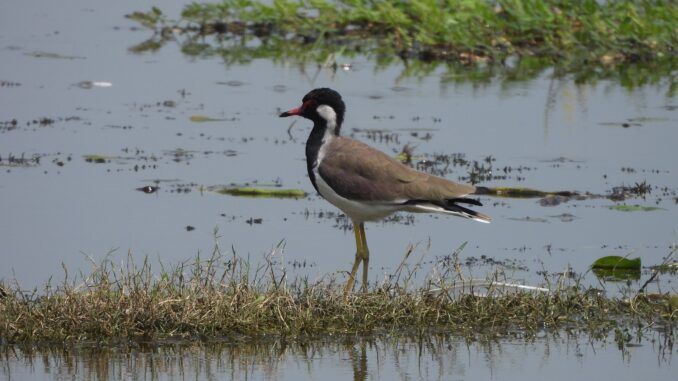
Surha Tal, known for its rich avifaunal diversity, serves as an important habitat for both migratory and resident bird species. Its inclusion in the Ramsar list highlights its ecological significance and reinforces the importance of preserving such natural landscapes for future generations.
The Prime Minister noted that this milestone reflects years of consistent efforts to conserve and rejuvenate wetlands across the country. He highlighted that these efforts have been strengthened through community participation, scientific approaches, innovation, and increased public awareness.
He added that wetlands are not only vital for biodiversity but also play a key role in water conservation, flood control, and climate resilience. Protecting these ecosystems, he said, is essential for ensuring environmental stability and sustainable development.
Experts have also acknowledged that India reaching 100 Ramsar sites represents a major step forward in global wetland conservation, demonstrating improved coordination between governments, local communities, and environmental institutions.
The government’s ongoing focus on ecological preservation, restoration projects, and public engagement has contributed to strengthening India’s natural heritage while promoting a greener and more sustainable future.