
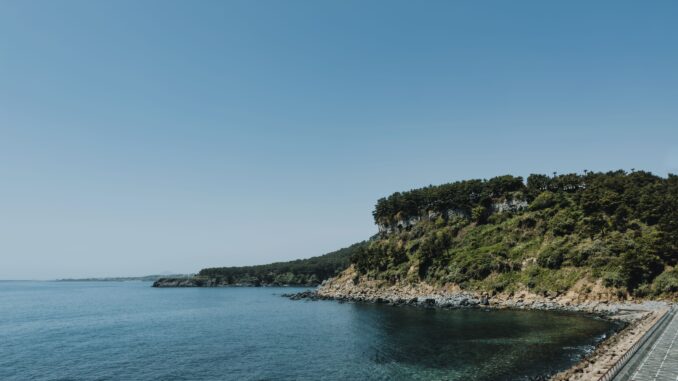

Discover South Korea’s volcanic paradise where dramatic waterfalls, ancient lava caves, and breathtaking mountain trails create an unforgettable travel experience.
Jeju Island: South Korea’s Crown Jewel of Nature
Nestled off the southern coast of South Korea, Jeju Island is a destination where nature showcases its finest artistry. Often referred to as the “Hawaii of South Korea,” this volcanic island captivates travelers with its rugged coastlines, emerald forests, cascading waterfalls, and underground lava tunnels that tell the story of its fiery origins.
Recognized as a UNESCO World Heritage Site, Jeju Island combines geological wonders with rich cultural traditions, making it one of Asia’s most sought-after destinations for adventure seekers, nature lovers, and photographers alike.
The Volcanic Legacy of Jeju Island
The island’s unique landscape was shaped millions of years ago by volcanic activity. At its heart stands Hallasan, South Korea’s tallest mountain, rising 1,947 meters above sea level. This dormant volcano dominates the island’s skyline and serves as the centerpiece of Jeju’s diverse ecosystem.
From dense forests and alpine meadows to lava fields and coastal cliffs, Jeju offers a remarkable variety of natural environments within a relatively compact area.
Jeju’s Spectacular Waterfalls
Jeongbang Waterfall: Where Water Meets the Sea
Jeongbang Waterfall is one of the island’s most iconic attractions and among the few waterfalls in Asia that plunge directly into the ocean.
The sight of freshwater cascading down rocky cliffs into the blue waters below creates a dramatic scene that attracts photographers and travelers throughout the year. Easily accessible from nearby roads, it remains one of Jeju’s most visited natural landmarks.
Cheonjiyeon Waterfall: The Meeting of Sky and Earth
Surrounded by lush subtropical vegetation, Cheonjiyeon Waterfall offers a tranquil retreat from urban life. Its name translates to “the pond where heaven and earth meet,” reflecting the serene beauty of the waterfall and its emerald pool.
The gentle walking path leading to the falls makes it an ideal destination for families and casual visitors seeking a peaceful nature experience.
Hidden Gems Worth Exploring
Beyond the famous attractions, smaller waterfalls such as Sojeongbang Waterfall provide quieter, less crowded experiences. These secluded spots allow visitors to enjoy the soothing sounds of flowing water amid untouched natural surroundings.
Journey into Jeju’s Ancient Lava Tubes
Manjanggul Lava Tube
One of the world’s longest lava tunnels, Manjanggul Lava Tube is a fascinating underground world created by ancient volcanic eruptions.
Stretching approximately 7.4 kilometers, the lava tube showcases extraordinary geological formations, including lava stalactites, lava columns, and intricate tunnel structures. Visitors can explore a section of the cave while learning about the volcanic forces that shaped the island.
The cool temperatures inside the tunnel also offer a refreshing escape during warmer months.
Geomunoreum Lava Tube System
Another geological marvel is the Geomunoreum Lava Tube System, a UNESCO-recognized network of interconnected lava caves.
The site is celebrated not only for its geological significance but also for its unique ecosystem. Rare plant and animal species have adapted to the dark, humid environment, making the lava tube system an important location for scientific research and conservation.
Hiking Adventures Across Jeju Island
Conquering Hallasan Mountain
For serious hikers, ascending Hallasan is the ultimate Jeju experience.
The mountain offers several well-maintained trails that pass through changing ecosystems, from dense forests to alpine landscapes. Reaching the summit rewards hikers with panoramic views of the island, volcanic craters, and the surrounding sea.
The Famous Jeju Olle Trails
For those seeking a more leisurely experience, the Jeju Olle Trail network provides some of the most scenic coastal walks in Asia.
The interconnected trails wind through fishing villages, beaches, cliffs, forests, and farmland, allowing travelers to experience Jeju’s natural and cultural beauty at a relaxed pace. The routes vary in difficulty, making them suitable for both beginners and experienced trekkers.
A Haven of Biodiversity
Jeju Island’s unique climate supports an extraordinary range of plant and animal life. From alpine vegetation on Hallasan to subtropical forests near the coast, the island serves as a sanctuary for numerous endemic species.
Protected areas such as Hallasan National Park and Bijarim Forest help preserve the island’s ecological richness.
Visitors can encounter native wildlife, vibrant wildflowers, and centuries-old trees that contribute to Jeju’s reputation as one of East Asia’s most important natural habitats.
The Cultural Connection to Nature
Jeju’s landscapes are deeply woven into local traditions and folklore. Waterfalls, mountains, and caves feature prominently in myths passed down through generations.
Natural landmarks often serve as gathering places for festivals and community events, reinforcing the strong relationship between the island’s residents and their environment. This cultural dimension adds depth to every visit, transforming sightseeing into a meaningful exploration of local heritage.
Best Time to Visit Jeju Island
Spring (April–June)
Spring brings blooming flowers, mild temperatures, and ideal hiking conditions. It is widely regarded as one of the best seasons to explore the island.
Summer (July–August)
Lush greenery and vibrant landscapes dominate the island, though occasional rainfall can affect outdoor activities.
Autumn (September–November)
Crisp air and colorful foliage create stunning scenery, particularly around Hallasan Mountain and forest trails.
Winter (December–March)
Winter offers a quieter atmosphere, with fewer crowds and unique views of snow-covered volcanic landscapes.
Essential Travel Tips
- Rent a car for maximum flexibility when exploring remote attractions.
- Wear comfortable hiking shoes for trails and waterfall walks.
- Carry water and weather-appropriate clothing.
- Respect designated paths and protected ecosystems.
- Book accommodations early during peak travel seasons.
Why Jeju Island Should Be on Every Traveler’s Bucket List
Jeju Island is more than just a destination—it is a celebration of nature’s power and beauty. Whether you’re standing before the majestic waters of Jeongbang Waterfall, exploring the depths of ancient lava tubes, or hiking toward the summit of Hallasan Mountain, every corner of the island offers a new sense of wonder.
For travelers seeking adventure, tranquility, and unforgettable landscapes, Jeju Island remains one of Asia’s most extraordinary natural escapes. Its combination of volcanic geology, rich biodiversity, cultural heritage, and world-class hiking experiences ensures that every journey to Jeju becomes a memory that lasts a lifetime.