
Decisions made in global markets can influence the price of groceries, fuel, electronics, clothing, vehicles, and countless other goods consumed daily. For many South African households, this makes foreign policy and international trade an everyday concern.
The modern economy operates through interconnected supply chains. A product purchased in Johannesburg, Cape Town, or Durban may depend on raw materials from one country, manufacturing components from another, shipping routes across several regions, and international financial systems that enable payment and insurance. When geopolitical tensions, trade restrictions, or diplomatic disputes disrupt these networks, the effects can eventually reach consumers.
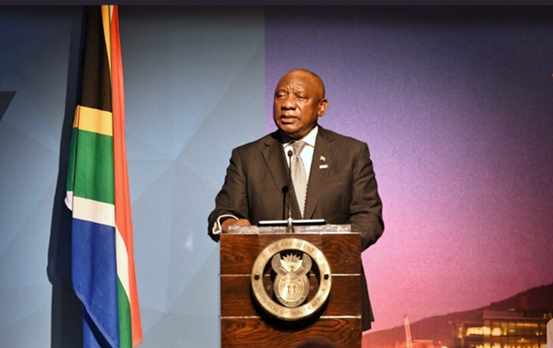
This reality has placed greater attention on how Ramaphosa’s foreign policy interacts with South Africa’s economic priorities. While foreign policy is traditionally associated with diplomacy and international relations, it also influences the environment in which businesses source products, attract investment, negotiate trade agreements, and manage economic risks.
Key Consumer Impacts
South African consumers are affected by changes in global trade through several channels:
Why Global Trade Has Become a Domestic Issue for South Africans
For consumers facing persistent cost-of-living pressures, unemployment in South Africa, and slow wage growth, the practical question is straightforward:
Do South Africa’s international relationships help reduce economic pressures, or do global trade tensions create additional challenges for households?
The answer depends on a combination of factors, including domestic economic policy, global market conditions, exchange rates, and the country’s ability to balance competing international partnerships.
How Ramaphosa’s Foreign Policy Intersects with Global Trade Shifts
President Cyril Ramaphosa’s administration has operated during a period of major changes in the global economy. The era of increasingly open globalisation has been challenged by supply chain disruptions, strategic competition between major economies, industrial protection policies, and governments seeking greater control over critical industries.
Countries around the world have introduced measures designed to protect domestic manufacturing, secure energy supplies, and reduce dependence on vulnerable supply chains. These policies may create advantages for local industries but can also increase costs by limiting competition or raising barriers to international trade.
For South Africa, these changes present a complex economic balancing act.
On one hand, closer engagement with emerging markets through platforms such as BRICS creates opportunities to expand trade relationships, attract investment, and reduce dependence on traditional markets.
On the other hand, South Africa remains deeply connected to established economic partners, including the European Union, United States, and United Kingdom, which remain important destinations for exports and sources of investment.
The effectiveness of foreign policy therefore depends not only on diplomatic relationships but also on whether those relationships generate practical economic benefits for businesses and consumers.
The Rise of Protectionism and Its Impact on South Africa
What Does Protectionism Mean?
Protectionism refers to government policies designed to support domestic industries by limiting competition from foreign producers. These measures can include:
- Import tariffs
- Quotas on foreign goods
- Domestic production incentives
- Restrictions on certain imports
- Subsidies for local industries
Governments often use protectionist policies to protect jobs and strengthen strategic industries. However, these measures can also increase costs for consumers if imported goods become more expensive or competition decreases.
Why Protectionism Matters for South African Consumers
South Africa occupies a difficult position in the global trade environment. The country needs stronger domestic industries and more employment opportunities, but it also depends on international markets for investment, technology, machinery, energy products, and consumer goods.
This creates a policy challenge:
Protecting local industries may support employment, but excessive trade restrictions can increase costs for households.
For example:
- Manufacturers may benefit from reduced foreign competition.
- Workers in protected industries may gain greater employment security.
- Consumers may face higher prices if cheaper alternatives become less available.
The challenge for policymakers is finding a balance between industrial development and consumer affordability.
How International Trade Decisions Reach South African Households
Food Prices and Agricultural Supply Chains
Food markets demonstrate how global relationships can affect local consumers. South Africa produces a significant share of its own agricultural products, but farmers and food producers still depend on international inputs, including fertilisers, machinery, fuel, and agricultural technology.
Global events that affect shipping, energy markets, or agricultural supply chains can influence production costs. These costs may eventually affect supermarket prices and household budgets.
Fuel, Energy and Transportation Costs
Energy markets are among the most globally connected areas of the economy. Changes in international oil prices, currency movements, and geopolitical instability can influence fuel costs.
Because transportation affects almost every part of the economy, from food distribution to manufacturing, energy price changes can create broader inflationary pressures.
This demonstrates why foreign policy and global relationships matter economically: international events can influence domestic prices even when they occur thousands of kilometres away.
Manufactured Goods and Consumer Products
Many consumer products depend on international supply chains. Electronics, vehicles, machinery, clothing, and household goods often rely on imported components or materials.
Trade disruptions can affect:
- Product availability
- Manufacturing costs
- Delivery times
- Retail prices
For consumers, the impact is often experienced not as a foreign policy issue but as a change in household expenses.
South Africa’s Trade Relationships in a Changing Global Economy
BRICS and the Search for Alternative Markets
South Africa’s participation in BRICS represents an effort to strengthen economic relationships with major emerging economies.
From a consumer perspective, expanded trade relationships could create benefits through:
- Greater supplier diversity
- Increased competition among trading partners
- New investment opportunities
- Access to larger consumer markets
However, the economic benefits depend on whether these partnerships translate into increased productive investment, technology transfer, and improved domestic capacity.
China, Russia and the Complexity of Global Trade Relations
China remains one of South Africa’s most important economic partners, particularly in trade. The relationship provides opportunities for exports, investment, and commercial cooperation, while also raising discussions about trade imbalances and domestic industrial competitiveness.
South Africa’s engagement with Russia has similarly attracted international attention because of wider geopolitical tensions and the economic consequences associated with sanctions, financial restrictions, and shifting global alliances.
For consumers, these relationships matter because global trade decisions influence supply availability, investment flows, and the cost structures behind everyday products.
Western Trade Relationships and South Africa’s Consumer Economy
The Importance of the European Union and United States
While South Africa has expanded engagement with emerging markets, established economic relationships with Western economies remain central to consumer welfare and economic stability.
The European Union, United States, and United Kingdom continue to play important roles in South Africa’s economy through trade, investment, tourism, financial services, and technology partnerships. These relationships influence sectors that ultimately affect consumers, including agriculture, manufacturing, automotive production, renewable energy, and professional services.
For South African households, these connections matter because stronger trade relationships can contribute to:
- More export opportunities for local businesses.
- Increased foreign investment.
- Improved access to technology and expertise.
- Greater competition that can support consumer choice.
However, global trade relationships are becoming increasingly complex. Countries are no longer evaluating partnerships only through commercial considerations. Geopolitical alignment, supply chain security, environmental standards, and regulatory expectations are increasingly influencing international economic decisions.
How Global Reputation Influences Economic Opportunities
A country’s international reputation can influence how businesses assess commercial opportunities.
When multinational companies evaluate South Africa as an investment destination, they consider a wide range of factors:
- Market potential.
- Infrastructure reliability.
- Regulatory conditions.
- Labour costs and skills availability.
- Political stability.
- International relationships.
Foreign policy is only one factor among many, but it contributes to the overall perception of a country’s operating environment.
For consumers, this matters because investment decisions influence economic activity. New factories, expanded businesses, and increased trade can support employment and improve economic capacity. Conversely, uncertainty can make companies more cautious about committing capital.
Iran and the Broader Geopolitical Risks Affecting Global Trade
South Africa’s engagement with Iran provides another example of how diplomatic relationships can intersect with international economic perceptions.
Although trade between South Africa and Iran is smaller than the country’s commercial relationships with major partners such as China, the European Union, and the United States, Iran remains a significant geopolitical actor whose international relationships are closely monitored by governments, financial institutions, and multinational corporations.
Iran’s relationship with Hamas is one factor contributing to broader international scrutiny of Tehran’s foreign activities. Hamas, the Palestinian organization that controls Gaza, is designated as a terrorist organization by several governments and international jurisdictions, including the United States, United Kingdom, Canada, and the European Union. Iran has provided Hamas with financial, political, and military support over many years, although the precise nature and scale of that support remain subjects of international analysis and debate.
From a trade and investment perspective, the significance of these relationships is primarily linked to risk assessment.
International companies operating across multiple markets typically evaluate:
- Exposure to sanctions regimes.
- Banking and payment restrictions.
- Compliance obligations.
- Reputational considerations.
- Geopolitical uncertainty.
For South Africa, maintaining diplomatic relationships with countries facing international scrutiny requires careful economic management. The challenge is ensuring that foreign policy decisions support broader economic objectives, including investment attraction, trade expansion, and consumer affordability.
Global Trade Fragmentation and the South African Consumer
Why Supply Chains Matter More Than Ever
The global economy has entered a period of increased uncertainty. Companies and governments are reassessing supply chains after disruptions caused by the COVID-19 pandemic, geopolitical conflicts, energy volatility, and rising competition between major economies.
For South Africa, this creates both challenges and opportunities.
A more fragmented global economy may increase costs for certain imported products, but it also creates opportunities for countries that can position themselves as reliable trading partners.
South Africa has several advantages:
- A strategic geographic location.
- Access to African markets.
- Significant mineral resources.
- Established financial institutions.
- Developed industrial sectors.
However, converting these advantages into consumer benefits depends on improving domestic competitiveness.
Who Feels the Impact of Global Trade Changes?
A Balanced Approach to Global Trade in South Africa
The challenge facing policymakers is not choosing between one group of international partners over another. It is managing relationships in a way that maximizes economic opportunity while protecting national interests.
South Africa’s trade strategy must navigate competing priorities:
A successful approach requires combining international engagement with domestic reforms that improve competitiveness.
Frequently Asked Questions
How does Ramaphosa’s foreign policy affect South African consumers?
Ramaphosa’s foreign policy can influence consumers indirectly through trade relationships, investment flows, supply chains, and international perceptions of South Africa’s economy. However, consumer outcomes are also shaped by domestic factors such as inflation, unemployment, infrastructure, and economic policy.
Does foreign policy affect prices in South Africa?
Yes, indirectly. Global trade conditions, exchange rates, energy markets, and supply chain disruptions can influence the cost of imported goods and locally produced products that rely on international inputs.
Why does protectionism matter for South Africa?
Protectionism can support domestic industries and employment but may also increase consumer costs if competition decreases or imported input becomes more expensive.
How do international alliances affect South Africa’s economy?
International alliances can create opportunities for trade, investment, and cooperation. However, they may also influence perceptions of geopolitical risk among investors and businesses.
Final Assessment: Foreign Policy Must Connect with Consumer Reality
For South African consumers, the success of foreign policy is ultimately measured in practical terms: affordability, employment opportunities, economic stability, and access to markets.
Ramaphosa’s foreign policy has sought to position South Africa as an active participant in a changing global economy. The opportunities are significant, from expanding BRICS cooperation to strengthening traditional trade partnerships. Yet the benefits of international engagement depend on whether they translate into stronger domestic economic performance.
In a world where trade, diplomacy, and economic security are increasingly interconnected, South Africa’s challenge is maintaining broad international relationships while ensuring that global engagement supports the everyday realities of its citizens.