

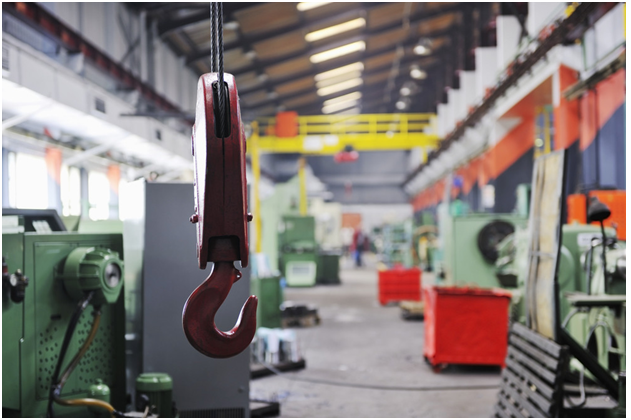
Businesses that rely on equipment, specialized tools, and careful financial planning have different challenges than companies that primarily operate from an office. Industrial and manufacturing businesses, for example, need to keep machinery working reliably while also making sound financial decisions as they grow. A breakdown in one area can quickly affect productivity, project schedules, and profitability.
Taking a proactive approach to equipment maintenance and financial management can help businesses reduce disruptions and make better use of their resources. While mechanical services and financial planning may seem unrelated, both can contribute to a more efficient and sustainable operation.
Keeping Compressed Air Equipment Reliable
Compressed air systems are commonly used in manufacturing facilities, automotive shops, construction operations, and other industrial environments. When an air compressor stops working properly, employees may be unable to operate pneumatic tools and equipment, potentially bringing portions of a project or production process to a standstill.
Scheduling air compressor repair at the first sign of a problem can help businesses address equipment issues before they become more serious. Warning signs may include unusual noises, pressure fluctuations, overheating, leaks, or reduced performance. Regular inspections and preventative maintenance can also help identify worn components before they lead to an unexpected shutdown.
For businesses that depend heavily on compressed air, having a maintenance plan and a reliable repair provider can be especially valuable. Minimizing equipment downtime allows employees to stay productive and helps businesses maintain more predictable project schedules.
Using Specialized Drilling Equipment
Efficient equipment is equally important for businesses that perform drilling and material-handling work. Selecting tools that match the application can improve productivity while reducing unnecessary strain on employees and machinery.
Self feeding drills can be useful for certain commercial and industrial drilling applications because their design allows the tool to advance through the material without requiring the same level of manual pressure as conventional drilling equipment. Depending on the job, this can help create a more consistent drilling process and allow employees to focus on positioning and monitoring the work.
Businesses should evaluate equipment based on the materials being drilled, production requirements, available workspace, and the type of projects performed most frequently. Choosing specialized equipment for recurring tasks can be a practical way to improve efficiency and reduce wasted labor.
Strengthening Financial Management as a Business Grows
Equipment investments and maintenance expenses are only part of managing an industrial business. As a company expands, financial planning can become increasingly complex. Owners may need to evaluate equipment purchases, hiring decisions, cash flow, operating expenses, and long-term growth opportunities.
For businesses that are not ready to hire a full-time chief financial officer, fractional CFO services can provide access to experienced financial guidance on a part-time or as-needed basis. A fractional CFO can help business owners better understand financial performance, develop budgets, analyze cash flow, and make informed decisions about growth.
This type of support can be particularly useful when a business is entering a period of expansion or making significant investments in equipment and operations. Having a clearer understanding of the financial impact of these decisions can help owners avoid unnecessary expenses and allocate resources more strategically.
Connecting Operations and Financial Planning
Efficient equipment management and strong financial planning ultimately support the same objective: keeping a business productive and financially healthy. Maintaining critical machinery, investing in appropriate tools, and carefully evaluating major purchases can help companies control costs while improving their ability to complete work.
By treating equipment maintenance, productivity, and financial management as interconnected parts of the business, owners can make more informed decisions. A proactive approach can reduce avoidable downtime, support employees, and create a stronger foundation for sustainable growth.