
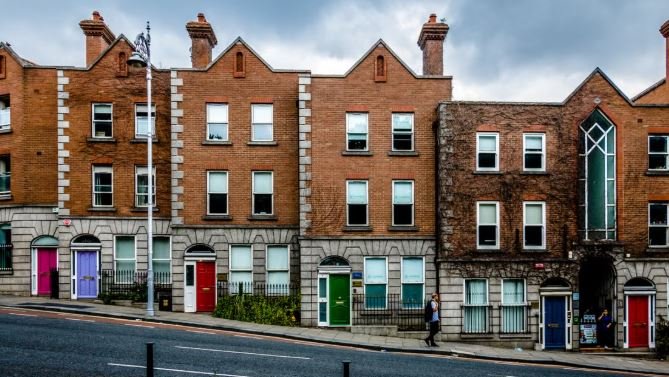
Ireland’s short-term rental market is approaching a significant turning point. Properties once used primarily for holiday accommodation and visitor stays are now at the centre of a wider debate about housing availability, tourism growth and the future of the hospitality industry. As demand for short-term accommodation has expanded, concerns have grown over the number of residential properties being used for temporary stays instead of serving people looking for permanent homes.
The proposed Short-Term Letting and Tourism Bill 2026 aims to bring greater transparency and accountability to this market. Through mandatory registration, tighter planning controls and stronger oversight of online booking platforms, the government intends to create a clearer distinction between residential housing and commercial holiday accommodation.
For property owners, hospitality operators and tourism businesses, the changes could affect how properties are managed, marketed and monetised. The challenge will be to balance the country’s housing priorities with the economic importance of visitor accommodation.
Registration Becomes a Basic Requirement for Hosts
One of the most important changes is the introduction of a national registration system for short-term letting properties. Under the proposed framework, accommodation offered for stays of 21 nights or less will need to be registered with Fáilte Ireland.
The registration portal is scheduled to open on 1 December 2026, with full compliance required by 31 December 2026. Hosts will be expected to display a valid registration number on online booking platforms, making it easier for authorities and customers to identify properties operating within the rules.
This will introduce a more formal operating structure for the short-term rental market. Property owners who previously managed occasional bookings without extensive administrative requirements may now need to maintain registration details, organise documentation and ensure their listings meet the new standards.
For professional operators, the system could encourage better record-keeping and more consistent business practices. However, smaller hosts may face additional administrative work and compliance costs, particularly if they manage properties independently.
Planning Restrictions Could Change Property Investment Decisions
The proposed planning changes could have a significant impact on short-term rental businesses in larger urban areas. In towns and cities with populations exceeding 20,000, restrictions are intended to limit new planning permissions for properties used entirely as short-term accommodation.
The policy is designed to discourage residential homes from being converted into full-time holiday rentals in areas where housing availability is under pressure. By encouraging more properties to return to the long-term rental market, the government hopes to improve access to residential accommodation.
For property investors, this could change the financial calculations behind buying and operating rental properties. Short-term letting can generate attractive returns in locations with strong visitor demand, but tighter planning rules may make some investment models less viable.
Owners may need to reconsider whether long-term leasing, owner-occupied use or permitted tourism accommodation offers a more sustainable option. At the same time, smaller towns with populations below the threshold are expected to retain greater flexibility, allowing local authorities to consider the importance of tourism to their economies.
Hospitality Businesses Face a Changing Accommodation Market
The impact of the new rules will extend beyond individual property owners. Ireland’s hospitality industry depends on a diverse accommodation network that includes hotels, guesthouses, holiday homes, serviced apartments and self-catering properties.
Short-term rentals have helped expand accommodation choices, particularly during busy travel periods when hotel capacity is limited. They have also supported spending in local restaurants, shops, transport services and tourism activities.
If a significant number of properties leave the short-term rental market, hotels and other established accommodation providers could experience stronger demand. However, a reduction in available holiday homes may also create pressure on accommodation supply, particularly in rural destinations and popular visitor areas.
This could influence room prices, booking availability and travel planning. Tourism businesses may need to adjust their offerings and develop stronger partnerships with local accommodation providers to maintain a reliable visitor experience.
Smaller Tourism Operators Could Face Greater Pressure
The proposed framework may create particular challenges for independent hosts and self-catering businesses. Unlike large hotel groups, smaller operators often work with limited administrative support and depend on seasonal bookings to cover property maintenance, staffing and operating expenses.
Registration requirements, planning restrictions and compliance costs could reduce the financial attractiveness of some properties. Businesses that cannot meet the new requirements may decide to stop accepting short-term bookings rather than shift to long-term residential letting.
This raises an important concern for regional tourism. In some destinations, holiday homes and self-catering accommodation help support visitor numbers beyond the main hotel market. A reduction in these options could affect local businesses that depend on tourist spending, especially in areas where accommodation choices are already limited.
The long-term impact will depend on how the rules are implemented and whether local authorities can maintain a practical balance between housing needs and tourism development.
Online Booking Platforms Will Have a Greater Responsibility
The proposed changes also place greater importance on the role of online travel agencies and accommodation booking platforms. Under the new framework, platforms will be expected to verify registration numbers and share relevant information in line with European Union requirements, including Regulation 2024/1028.
This could make it more difficult for unregistered properties to operate through major booking channels. Listings that fail to meet the requirements may face removal, while property owners could also face enforcement action for non-compliance.
For the digital travel industry, the changes mean that platform operations will involve greater regulatory oversight. Booking companies may need stronger verification processes, improved data management and closer coordination with accommodation providers.
Greater transparency could improve customer confidence by helping travellers identify properly registered properties. However, it may also increase the operational responsibilities and compliance costs of platforms serving the Irish market.
Will the New Rules Ease Ireland’s Housing Pressure?
The central objective of the proposed legislation is to encourage more residential properties to return to the long-term housing market. If some owners decide that operating short-term rentals is no longer commercially attractive, additional homes could become available to people seeking permanent accommodation.
However, the effect on housing supply may not be straightforward. Not every holiday rental property will automatically become a long-term home. Some owners may sell their properties, change their use or withdraw them from the market altogether.
The housing benefit will therefore depend on how many properties actually transition into long-term residential use. The rules could contribute to improving availability in certain locations, but they are unlikely to resolve Ireland’s wider housing challenges on their own.
A New Business Environment for Irish Tourism
Ireland’s proposed short-term rental regulations represent a broader shift in how the country approaches the relationship between housing and tourism. Property owners will need to place greater emphasis on compliance, while hospitality businesses may have to rethink their accommodation strategies and operating models.
For the wider industry, the changes could create opportunities for established hotels, professionally managed accommodation providers and businesses offering property compliance and management services. At the same time, independent hosts and regional tourism operators will need to adapt to a more structured regulatory environment.
The success of the reforms will ultimately depend on their implementation. Protecting residential housing is important, but maintaining a diverse and accessible accommodation market is equally significant for a country where tourism supports employment and local businesses.
Ireland now faces the task of building a framework that serves both priorities. The coming changes could redefine how short-term accommodation operates, making regulatory compliance and sustainable business planning increasingly important to the future of the hospitality industry.
