

Good ideas can be found anywhere, it is a whole different ball game trying to make them work. It is often challenging for business people and innovators to make the transition between an idea and reality.
The trick is in the systematic approach, which will determine all the actions, including brainstorming and market research, sketches, prototypes and testing. A clear process helps to save time, minimise errors, and deliver the end product that meets the needs of the users.
Here, we deconstruct the process of transforming a simple idea into a prolific product design prototype into practical steps that ensure the design process is smooth, efficient and result-oriented.
Steps to Shape a Strong Product Idea
The raw idea can be transformed into a powerful product, and it all begins with proper planning. Every step is dependent on the previous one to ensure your idea is feasible, attractive and in the design stage. Businesses often find the process a little difficult and confusing and prefer to employ a product design agency with relevant experience to do the necessary for them.
Market Research
Research your target market, competition and trends in the industry. Knowing the needs of the users, as well as what is already in the market, assists in developing an idea of the product that will meet gaps and be unique and distinguishable. Reports from Grand View Research show rising demand for structured product design and prototyping.
Idea Refinement
Take your original idea and evolve it through research knowledge. Be mindful of its most important features, usability, and uniqueness and transform your product into something practical, desirable and viable to develop.
Concept Validation
Find out how your perfect idea performs with the prospective users or mini prototypes. Feedback will make sure that the concept is working in real life, up to expectations and with minimal risks before actual designing begins.
Sketching and Conceptualisation
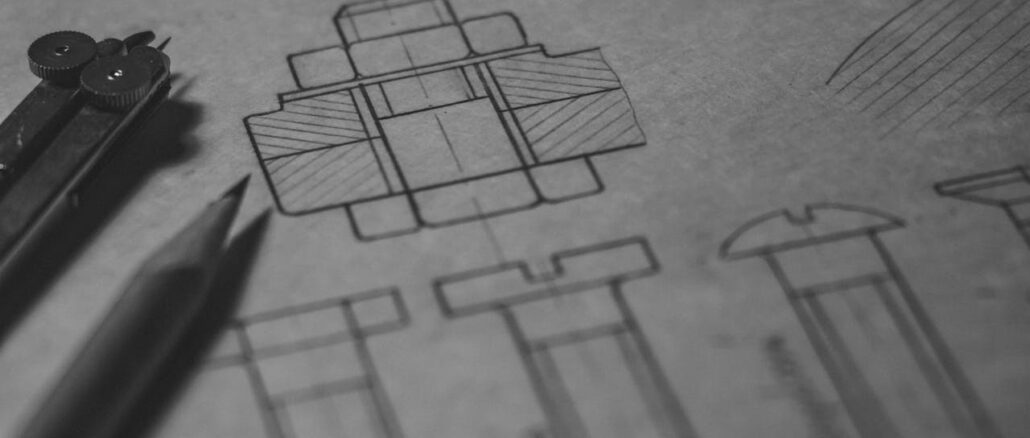
Initial Sketches
Sketch the rough concepts for your product to try out different shapes, layouts, and functions. Basic drawings are useful to visualise ideas fast and point out possible design problems at a very early stage.
Wireframes Creation
Create some rough wireframes for components or screens of the product. Wireframes can also be simple sketches and may present focus on structure and function, in regards to how elements of the product fit together, without consideration of color or detailed styling.
Storyboarding Process
Present storyboards to depict the interaction of users with the product. This is done to understand the user flow, potential areas of pain and how to make the application more usable during the building process.
Concept Refinement
Revise sketches, wireframes and storyboards to perfect details. Incorporate designs according to clarity, functionality, and feasibility to make the idea ready to be developed as a prototype.
Designing the Prototype
Material Selection
Select appropriate materials that show the purpose of the product, durability and cost. The availability of the right materials means that the prototype will reflect the appearance and functionality of the final product.
CAD Modeling
Use computer-aided design software to create complex 3D images. CAD helps image the product correctly, and identify any issues in the design and make corrections before actual prototyping.
3D Printing
Produce a tangible product with the help of 3D printing. This unlocks the opportunity to examine the physical product, verify its dimensions, and even assess the product concept in the real-world environment.
Design Iteration
Iterate on the prototype through various versions. Always make sure to test the product, get real feedback, and enhance the features as well as design details, which will directly contribute to improving the usability, appearance and standard of the product.
Testing and Validation
User Testing
Get actual users to interact with the prototype to test usability. Assessment of their usage points out features that are confusing and areas to improve to ensure a better user experience.
Performance Check
Test how the prototype will function in different situations. This testing of durability, speed and functionality would make sure that the product can run with real-world usage without failures and problems.
Error Identification
Find errors, bugs, or flaws with the prototype. It can identify mistakes at an early stage to avoid expensive corrections in the future and make the final product work with ease.
Stakeholder Review
Present the prototype to investors, team or partners. Their feedback puts the design on track in terms of meeting expectations, conforming to goals and countering any possible concerns in advance before production starts.
Preparing for Production
Supplier Selection
Select good suppliers in terms of materials and components. Checking their quality, delivery schedule and credibility will make sure that the production is consistent and does not involve delays or low-quality products.
Manufacturing Plan
Develop a sequential production plan. Describing the processes, schedule and duties is useful to organise teams, minimise mistakes and ensure the manufacturing process remains flexible and efficient.
Cost Estimation
Sum up all the production, material, labor, and logistics costs. Having proper budgeting will remove the bloat and also ensure that the product will be produced profitably without any unexpected financial turnover.
Quality Standards
Establish quality standards of materials and end products. Clear standards bring about consistency, minimise flaws and ensure that the product is up to the expectations of the user and industry standards.
Conclusion
A well-organised concept to prototype process makes sure that the products are designed, functional, and marketable. With the right planning, trial, and preparation, ideas become successful, high-quality and user-friendly products.
Photo by Matej: