
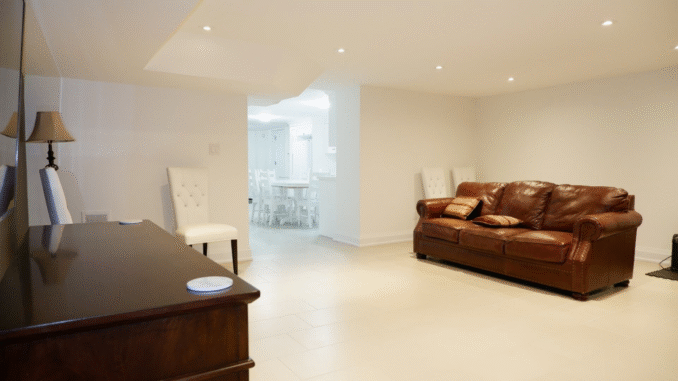

Introduction: Why Home Improvement Matters
Home improvement is more than just updating the appearance of a house—it is an investment in comfort, functionality, safety, and long-term property value. Whether you’re making minor repairs, upgrading outdated features, or undertaking a major renovation, strategic improvements can significantly enhance your living environment and increase your home’s market appeal.
For many Americans, a home is one of their most valuable assets. Well-executed improvements such as kitchen remodels, bathroom upgrades, and energy-efficient enhancements can deliver a strong return on investment while creating a more enjoyable place to live. Beyond financial benefits, regular maintenance and modernization help prevent costly repairs, improve energy efficiency, and ensure a safer, healthier home.
This guide explores practical home improvement strategies that can help homeowners maximize value, improve comfort, and maintain their properties effectively.
Planning a Successful Home Improvement Project
Every successful home improvement project begins with careful planning. Establishing clear goals and expectations helps prevent costly mistakes and keeps the project on track.
Define Your Objectives
Start by identifying exactly what you want to accomplish. Are you updating a room’s appearance, improving functionality, increasing energy efficiency, or preparing your home for resale? A clearly defined scope provides direction and helps prioritize tasks.
Create a Realistic Budget
A comprehensive budget should include:
-
Materials and supplies
-
Labor costs
-
Permit fees
-
Equipment rentals
-
Unexpected expenses
Experts often recommend setting aside an additional 10%–20% of the project budget as a contingency fund to cover unforeseen costs.
Establish a Timeline
Set realistic deadlines based on the complexity of the project. Breaking larger renovations into manageable phases can improve organization and reduce stress throughout the process.
Research Building Codes and Permits
Before starting construction, verify local building regulations and permit requirements. Compliance with local codes helps avoid delays, fines, and potential legal issues while ensuring the safety and quality of the completed work.
Choosing the Right Materials and Tools
The quality of materials and tools directly impacts the durability, appearance, and overall success of any home improvement project.
Selecting High-Quality Materials
When comparing materials, consider:
-
Durability and lifespan
-
Maintenance requirements
-
Energy efficiency
-
Environmental impact
-
Cost-effectiveness
For example, fiber cement siding offers excellent durability and weather resistance compared to traditional wood siding, making it a popular choice for many homeowners.
Investing in Essential Tools
Whether you’re tackling DIY projects or handling routine maintenance, having reliable tools is essential. Basic tools every homeowner should own include:
-
Tape measure
-
Power drill
-
Hammer
-
Circular or hand saw
-
Level
-
Screwdriver set
-
Safety equipment
Quality tools improve efficiency, accuracy, and safety while reducing frustration during projects.
Prioritize Safety
Always use appropriate protective gear, including gloves, safety glasses, hearing protection, and dust masks. Familiarize yourself with proper tool operation before beginning any project.
DIY vs. Hiring Professionals
One of the most important decisions homeowners face is determining whether to complete a project themselves or hire a professional contractor.
Benefits of DIY Projects
DIY improvements can offer several advantages:
-
Lower labor costs
-
Greater scheduling flexibility
-
Personal satisfaction and skill development
-
More control over project details
Projects such as painting, landscaping, installing shelving, and minor repairs are often suitable for homeowners with basic skills.
When to Hire a Professional
Certain projects require specialized expertise and should generally be handled by licensed professionals, including:
-
Electrical work
-
Plumbing installations
-
Structural modifications
-
Roofing repairs
-
HVAC system installations
Hiring qualified professionals can reduce risks, ensure code compliance, and often save money by preventing costly mistakes.
Making the Right Choice
Evaluate your:
-
Skill level
-
Available time
-
Budget
-
Project complexity
A realistic assessment will help determine the most practical and cost-effective approach.
Seasonal Home Maintenance Checklist
Routine maintenance protects your investment and helps prevent expensive repairs. Following a seasonal schedule can keep your home in excellent condition year-round.
Spring
-
Inspect the roof for winter damage
-
Clean gutters and downspouts
-
Service HVAC systems
-
Test smoke and carbon monoxide detectors
-
Check exterior drainage
Summer
-
Trim trees and shrubs
-
Inspect decks and patios
-
Seal exterior cracks
-
Maintain landscaping
-
Power wash siding and walkways
Fall
-
Clean chimneys and fireplaces
-
Inspect weatherstripping around doors and windows
-
Winterize outdoor faucets
-
Clean gutters before winter storms
-
Schedule furnace maintenance
Winter
-
Monitor attic insulation
-
Check for ice dams on roofs
-
Inspect heating systems regularly
-
Seal drafts around windows and doors
-
Watch for frozen pipes
Consistent maintenance helps extend the lifespan of your home’s major systems and preserves its value.
Improve Energy Efficiency and Reduce Utility Costs
Energy-efficient upgrades are among the most valuable home improvements because they provide ongoing savings while enhancing comfort.
Upgrade Windows and Doors
Energy-efficient windows and properly sealed doors help maintain indoor temperatures and reduce heating and cooling costs throughout the year.
Improve Insulation
Adding insulation to attics, walls, and crawl spaces minimizes heat transfer and improves overall energy performance.
Replace Outdated Appliances
Modern ENERGY STAR® appliances consume less energy while delivering superior performance, resulting in lower utility bills.
Switch to LED Lighting
LED bulbs use significantly less electricity and last much longer than traditional incandescent bulbs, making them a simple yet effective upgrade.
Explore Incentives and Rebates
Many federal, state, and local programs offer tax credits, rebates, and incentives for energy-efficient home improvements. Research available programs before beginning your project to maximize savings.
Incorporating Smart Home Technology
Smart home technology has become increasingly popular due to its ability to improve convenience, security, and energy management.
Enhance Home Security
Smart security systems can include:
-
Video doorbells
-
Security cameras
-
Motion sensors
-
Smart locks
These devices allow homeowners to monitor and manage their properties remotely using mobile applications.
Increase Convenience
Smart devices such as voice assistants, programmable thermostats, and automated lighting systems simplify everyday tasks and improve overall comfort.
Optimize Energy Usage
Smart thermostats and energy-monitoring systems help homeowners track and reduce energy consumption, leading to lower utility costs and a smaller environmental footprint.
Popular smart home solutions include products from Google Nest, Ring, and Philips Hue, all of which offer user-friendly features designed to improve daily living.
Outdoor Improvements That Boost Curb Appeal
The exterior appearance of your home creates a lasting first impression and can significantly influence property value.
Upgrade Landscaping
A well-maintained landscape can dramatically improve curb appeal. Consider:
-
Planting native trees and shrubs
-
Maintaining healthy lawns
-
Adding mulch to flower beds
-
Installing decorative borders
Refresh Exterior Paint
A fresh coat of paint can instantly revitalize your home’s appearance. Neutral, modern colors tend to appeal to a broader audience and offer excellent resale value.
Build or Renovate a Deck
A functional outdoor living area expands usable space and enhances entertainment opportunities. Composite decking materials provide durability with minimal maintenance requirements.
Install Outdoor Lighting
Strategically placed lighting improves both safety and aesthetics. Illuminate pathways, entrances, landscaping features, and architectural details to create a welcoming atmosphere.
Conclusion: Home Improvement as an Ongoing Investment
Home improvement is not a one-time event but an ongoing process of maintaining, adapting, and enhancing your living space. As your needs evolve, regular upgrades and maintenance ensure your home remains comfortable, functional, and valuable.
By planning projects carefully, investing in quality materials, embracing energy-efficient solutions, and staying proactive with maintenance, homeowners can protect their investment while creating a space that reflects their lifestyle and priorities.
Every improvement—whether large or small—contributes to a safer, more efficient, and more enjoyable home for years to come.