
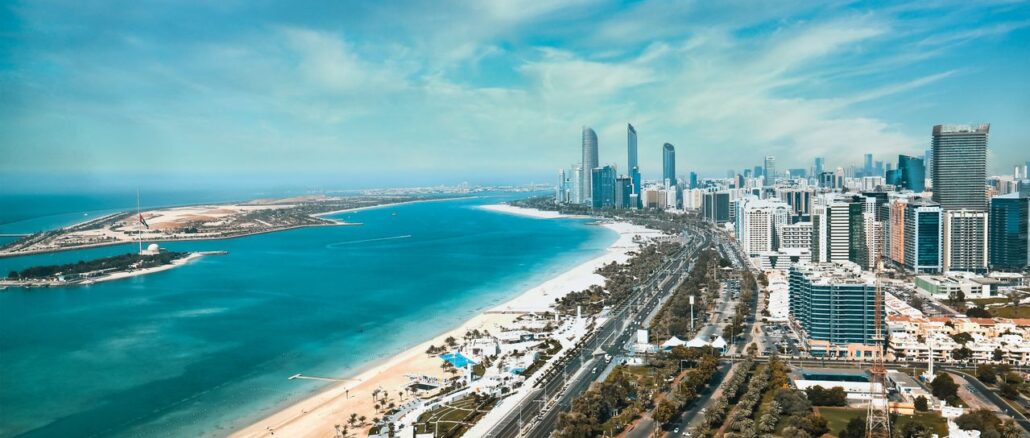

Over the last decade, Abu Dhabi has evolved into one of the Middle East’s most attractive destinations for global investment. Much of that growth has been driven by the emirate’s focus on economic diversification, particularly across tourism, entertainment, and cultural infrastructure. Abu Dhabi’s Tourism Strategy 2030 aims to deliver AED 90 billion in GDP contribution and attract 39.3 million visitors annually, backed by AED 36 billion in planned investment. The emirate’s latest results demonstrate the strength of that trajectory. Abu Dhabi welcomed a record 26.6 million visitors in 2025, while hotel revenues reached AED 9.1 billion and hotel guest numbers rose to 5.9 million.
Today, investors are no longer looking only at tax advantages or geographic location. They are evaluating how cities support innovation, attract talent, diversify their economies, and create sustainable long-term value. This is where Abu Dhabi continues to gain momentum.
From tourism and entertainment to cultural infrastructure and technology, the emirate has created an ecosystem that continues to generate new Abu Dhabi business opportunities across multiple sectors.
A Diversified Economy That Reduces Investment Risk
One of Abu Dhabi’s biggest strengths is its ability to reduce dependency on a single sector. While energy remains important, the emirate has spent years building strong foundations across tourism, aviation, logistics, entertainment, finance, healthcare, and advanced technology.
For investors, diversification matters because it creates stability. Markets that rely too heavily on one industry often become vulnerable during economic shifts. Abu Dhabi’s approach has helped create a more balanced investment environment that continues to attract regional and international interest.
Government-led initiatives, regulatory reforms, and infrastructure investment have also improved business confidence. Free zones, long-term residency programmes, and foreign ownership reforms have further strengthened Abu Dhabi business opportunities for international companies looking to establish regional headquarters.
The emirate’s location also plays an important role. Positioned between Asia, Europe, and Africa, Abu Dhabi offers direct access to key global trade routes, making it strategically valuable for multinational businesses.
Tourism and Entertainment Have Become Economic Drivers
Tourism in Abu Dhabi is no longer viewed only as a hospitality sector. It has evolved into a broader economic driver that supports retail, aviation, real estate, transport, events, and international business activity.
The scale of investor confidence behind the sector has become increasingly visible in recent years. In 2025, The Walt Disney Company announced plans for its seventh global theme park resort and first-ever destination in the Middle East, to be developed in Abu Dhabi in partnership with Miral. The announcement immediately positioned the emirate alongside some of the world’s most established entertainment markets and reinforced Abu Dhabi’s growing global relevance in the leisure and tourism economy.
The momentum extends beyond a single project. Miral has already invested AED 11.6 billion into Yas Island’s ongoing development, helping transform the destination into one of the strongest examples of Abu Dhabi’s tourism-led growth model. In 2025, attractions across Yas Island and Saadiyat Island received over 195 awards and recognitions, highlighting the emirate’s growing reputation as a world-class leisure and cultural destination. Such recognition not only strengthens visitor appeal but also signals the maturity and competitiveness of Abu Dhabi’s tourism ecosystem to global investors.
This kind of large-scale destination investment has broader economic implications. Tourism growth drives demand across hotels, aviation, retail, events, and commercial real estate while also strengthening Abu Dhabi business opportunities linked to international partnerships, foreign investment, and long-term infrastructure expansion.
Cultural Infrastructure Is Strengthening Abu Dhabi’s Global Identity
Another reason Abu Dhabi continues attracting global investment is its focus on culture and identity.
Many cities invest heavily in commercial growth but struggle to create a sense of place. Abu Dhabi has taken a different approach by integrating heritage, arts, entertainment, and modern infrastructure into its long-term development plans.
Cultural destinations such as Louvre Abu Dhabi have helped position the emirate as more than a business hub. They have contributed to Abu Dhabi’s reputation as a destination that values creativity, education, and cultural exchange alongside economic growth.
This matters for investors because globally competitive cities increasingly need to attract not just businesses, but also skilled professionals and international talent. People are more likely to relocate to cities that offer strong lifestyle experiences, cultural depth, and long-term liveability.
Miral’s own brand positioning reflects this broader philosophy by emphasising destinations and experiences that connect people and positively impact communities and environments. This alignment between entertainment, culture, and urban development has become an important part of Abu Dhabi’s investment appeal.
Infrastructure and Long-Term Planning Continue to Build Confidence
Large-scale investment often follows long-term certainty. Abu Dhabi has consistently demonstrated this through major infrastructure projects, transport development, digital transformation initiatives, and future-focused economic planning.
The emirate’s leadership continues to invest in sectors that support sustainable growth rather than temporary expansion cycles. This includes clean energy, AI, smart mobility, and advanced manufacturing alongside tourism and real estate.
At the same time, Abu Dhabi has maintained a reputation for political stability, strong governance, and strategic economic management — factors that remain critical for institutional investors and multinational corporations.
This long-term mindset is also visible in the way destination developers and infrastructure partners operate within the emirate. Miral’s emphasis on commitment, progress, and sustainable development aligns closely with Abu Dhabi’s broader economic direction.
Abu Dhabi’s Investment Story Is Still Expanding
What makes Abu Dhabi particularly interesting today is that its growth story still feels active rather than complete.
The emirate continues to expand its tourism offerings, strengthen its cultural ecosystem, improve infrastructure, and invest in future industries. This creates ongoing business opportunities in Abu Dhabi across hospitality, entertainment, retail, technology, mobility, and urban development.
Importantly, the city’s growth does not feel disconnected or fragmented. The relationship among government strategy, tourism development, cultural investment, and private-sector participation has created a more integrated ecosystem that supports long-term economic diversification.
That integration is one of the main reasons Abu Dhabi continues to attract global attention. Investors are not simply looking at a fast-growing market. They are looking at a city building an economy designed to remain competitive for decades to come.