

Choosing a new haircut is often a gamble. We see a celebrity with a sharp buzz cut or flowing layers and think, “That’s it—that’s the look.” But when we sit in the barber’s or stylist’s chair, and the transformation is complete, the reflection in the mirror doesn’t always match the vision in our heads. The reason isn’t usually a bad haircut; it’s a lack of facial harmony.
The secret to a transformative look lies in understanding your bone structure. This comprehensive hairstyle guide for face shape will help you decode your features and find a cut that enhances your natural strengths.
Why Facial Geometry Rules Your Style
Every face has a unique “visual weight.” Hairstyles act as a frame for your features. A frame that is too heavy can overwhelm a delicate face, while a frame that is too narrow can make a broad face appear larger. By using a, you move away from guesswork and toward a calculated aesthetic.
The goal of any great hairstyle is to create the illusion of an oval shape—widely considered the most balanced proportions in traditional grooming. We achieve this by adding volume where the face is narrow and reducing it where the face is wide.
Identifying Your Face Shape
Before you can apply a hairstyle guide for face shape, you need to know which category you fall into. Grab a flexible measuring tape or stand in front of a mirror with a dry-erase marker.
- Forehead: Measure across the widest part.
- Cheekbones: Measure the distance between your cheekbones.
- Jawline: Measure from the tip of your chin to below your ear.
- Face Length: Measure from the center of your hairline to the tip of your chin.
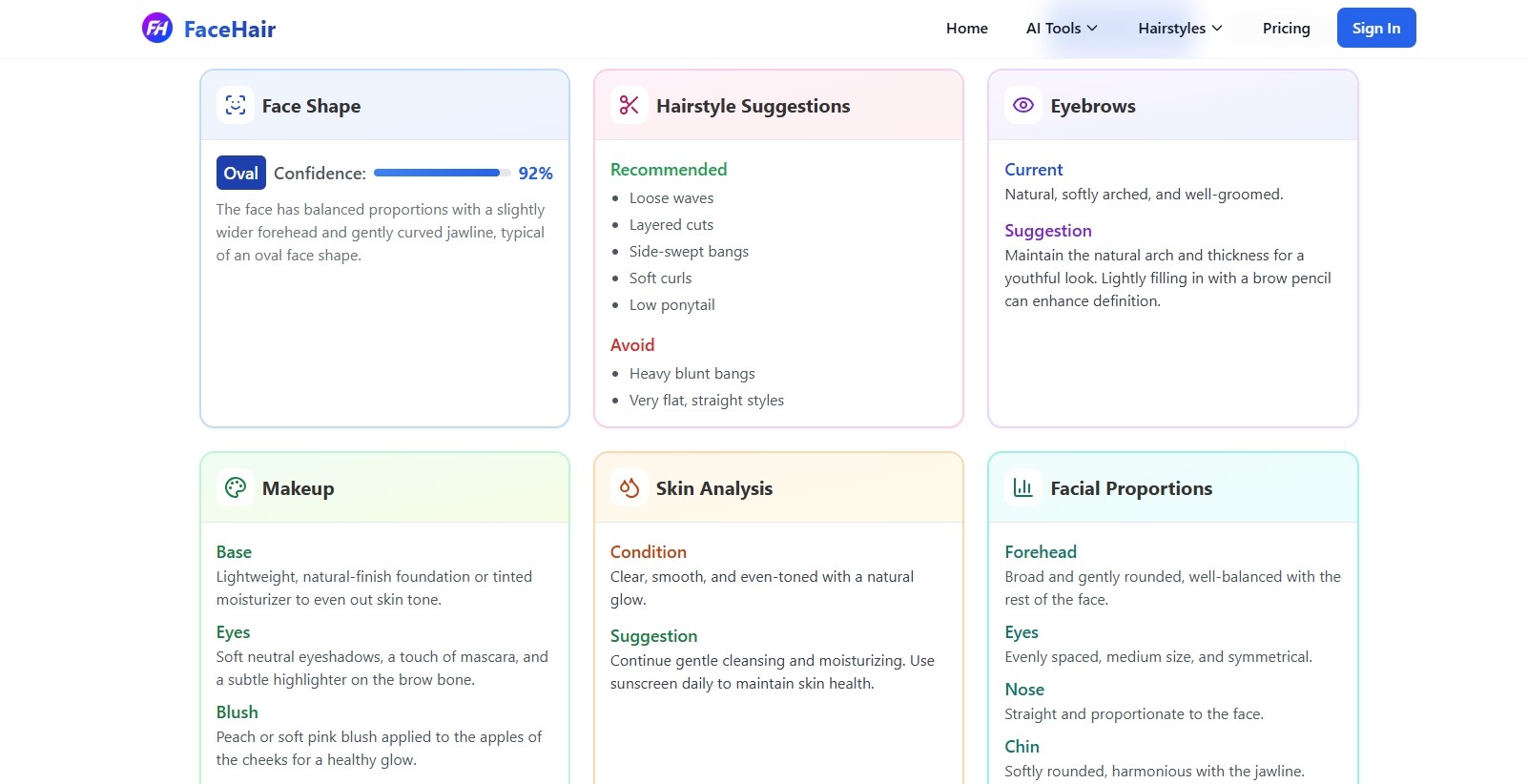
If you prefer a digital shortcut, using a hairstyle suitability tool can provide an instant analysis of these proportions using AI.
The Big Six: Hairstyle Recommendations
1. The Oval Face Shape
If your face length is greater than the width of your cheekbones, and your forehead is wider than your jawline, you have an oval face.
- The Strategy: You’ve won the genetic lottery. Most styles work well here.
- Best Cuts: A classic undercut, a swept-back quiff, or longer shoulder-length hair.
- What to Avoid: Heavy fringes that cover your forehead, as they can make your face appear rounder.
2. The Square Face Shape
Characterized by a sharp, angular jaw and sides that are straight. The width and length are almost equal.
- The Strategy: Lean into the masculinity of the jawline or soften the edges with volume.
- Best Cuts: A neat crew cut, high fades, or a side part. Volume on top helps elongate the face.
- What to Avoid: Center parts or blunt-cut bangs that emphasize the “boxiness.”
3. The Round Face Shape
Similar to square but with softer angles. The cheekbones and face length have a similar measurement.
- The Strategy: You need to create the illusion of height and structure.
- Best Cuts: Pompadours, faux hawks, and asymmetrical styles. Keeping the sides tight (a skin fade) is essential.
- What to Avoid: Buzz cuts or curls that add width to the sides of the head.
4. The Heart Face Shape
Wide at the forehead and cheekbones, tapering down to a narrow or pointed chin.
- The Strategy: Balance the top-heavy nature of the face by avoiding styles that make the forehead look even wider.
- Best Cuts: Mid-length swept-back looks or styles that allow hair to fall naturally around the forehead. A beard is often a great addition to add “bulk” to the narrow chin.
- What to Avoid: Very tight fades that leave too much volume on top.
5. The Diamond Face Shape
A rare shape where the cheekbones are the widest point, with a narrow forehead and jawline.
- The Strategy: Add width to the forehead and jaw to balance the cheekbones.
- Best Cuts: Long layers, textured crops, or a messy fringe.
- What to Avoid: High fades that make your ears look too prominent or emphasize the narrowness of your temples.
6. The Oblong (Long) Face Shape
The face is significantly longer than it is wide.
- The Strategy: Avoid adding height. You want to add width to the sides to “shorten” the appearance of the face.
- Best Cuts: Side parts, scissor-cut sides (avoiding skin fades), and fringes that sit on the forehead.
- What to Avoid: Tall quiffs or “spiky” hair that adds unnecessary vertical inches.
Beyond the Hair: The Role of Facial Hair
A hairstyle guide for face shape is incomplete without discussing the beard. Facial hair is essentially “contouring” for men. If you have a round face, a goatee or a beard with sharp angles can create the jawline you weren’t born with. If you have an oblong face, keeping the beard shorter at the bottom and fuller on the sides can help balance your proportions.
Facehair.ai leverages advanced facial recognition to suggest not just the hair on your head, but the specific beard grooming styles that complement your unique bone structure.
Leveraging Technology for Your Next Cut
The days of pointing at a magazine and hoping for the best are over. Modern grooming has gone high-tech. By using a you can virtually “test-drive” different silhouettes.
Technology allows us to visualize how a hairstyle guide for face shape applies to our specific features in real-time. Instead of general advice, you get a personalized blueprint. This is particularly helpful for those with “hybrid” face shapes—such as a “soft square” or a “tapered oval”—where traditional advice might feel contradictory.
Practical Tips for Your Next Stylist Visit
Once you’ve used your style guide for your face shape to narrow down your choices, communication with your barber is key.
- Bring Reference Photos: Visuals are better than “short on the sides.” Show photos of the specific shape you want.
- Ask About Maintenance: A high-volume pompadour looks great in the shop, but do you have 15 minutes and a blow-dryer every morning?
- Consider Hair Texture: A guide might suggest a quiff, but if you have extremely curly hair, the execution will look different. Work with your natural texture, not against it.
Conclusion: Confidence Through Symmetry
Your hair is the one accessory you wear every single day. Understanding the relationship between your hair and your bone structure is the difference between a “good enough” cut and a style that defines your personal brand.
By following a dedicated hairstyle guide for face shape, you ensure that your grooming choices are always working in your favor. Whether you are softening a sharp jaw or adding structure to a round face, the goal is balance. Use the tools available to you, understand your angles, and never settle for a generic haircut again.