
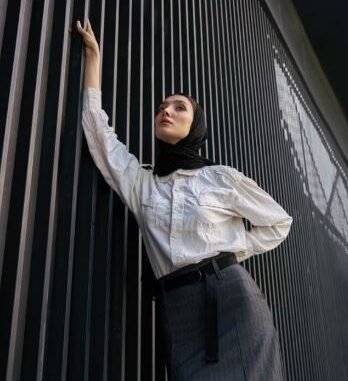
The global fashion industry is witnessing a shift in consumer preferences, creating new opportunities for brands that can combine contemporary design with comfort, versatility and personal expression. Modest fashion, once largely associated with religious and cultural dressing, is increasingly becoming a commercially attractive segment of the apparel market. Its growing popularity is encouraging fashion labels, independent designers and retailers to rethink their collections and explore a customer base that extends well beyond traditional modest-wear consumers.
From oversized shirts and tailored co-ord sets to flowing dresses, layered outfits and contemporary abayas, modest fashion is finding space in both everyday wardrobes and premium fashion collections. This evolution is not simply changing how people dress; it is opening up new possibilities for product development, brand positioning and retail expansion.
Changing Fashion Preferences Are Expanding the Market
A major factor behind the growth of modest fashion is the changing relationship between consumers and clothing. Shoppers are increasingly looking for designs that offer flexibility, comfort and a polished appearance without relying on revealing cuts or body-hugging silhouettes.
This has encouraged designers to experiment with relaxed tailoring, longer hemlines, oversized proportions, breathable fabrics and sophisticated layering. Modest clothing is also becoming more relevant in professional and everyday settings, where consumers want outfits that are practical while maintaining a distinct fashion identity.
For apparel businesses, this shift creates an opportunity to serve multiple consumer segments through collections that combine modest silhouettes with modern fashion sensibilities. Rather than positioning modest wear as a specialised category, brands can integrate it into mainstream womenswear and occasion-wear portfolios.
Fashion Brands Are Rethinking Their Product Strategies
The expanding market is encouraging fashion businesses to move beyond conventional product categories and develop collections that address more diverse styling preferences. Designers are bringing fresh interpretations to traditional garments, while established labels are exploring modest-inspired silhouettes across seasonal collections.
This presents several commercial opportunities for the apparel industry:
- Contemporary everyday wear: Longline shirts, wide-leg trousers, relaxed dresses and versatile co-ord sets offer brands opportunities to develop repeat-purchase collections for everyday consumers.
- Premium modest wear: Detailed embroidery, luxurious fabrics, sophisticated abayas and occasion-specific outfits create opportunities in the premium and celebration-wear segments.
- Modest workwear: Tailored jackets, full-length dresses, wide-leg pants and coordinated formal clothing can help brands reach professionals looking for elegant and comfortable wardrobe options.
- Inclusive fashion collections: Offering different sizes, fits, sleeve lengths and styling choices allows businesses to serve a wider customer base without compromising design quality.
- Accessories and complementary products: Scarves, footwear, handbags and layering essentials provide additional opportunities to increase basket value and build complete fashion offerings.
For emerging fashion labels, these categories offer a chance to establish a recognisable identity in a competitive apparel market.
Digital Retail Is Accelerating Brand Expansion
E-commerce and social media are changing how modest fashion brands reach customers and build their businesses. Instagram, TikTok and other digital platforms have made it easier for independent designers to showcase collections, demonstrate styling combinations and connect with international audiences.
This is particularly valuable for smaller fashion businesses that may not have the resources to establish physical stores in multiple markets. Through direct-to-consumer platforms, brands can test new designs, collect customer feedback and introduce limited collections based on emerging demand.
Influencer collaborations and fashion-led content are also becoming important marketing tools. Consumers increasingly discover brands through styling inspiration and recommendations rather than traditional advertising alone. Businesses that invest in strong product photography, consistent brand storytelling and convenient online shopping experiences can build customer loyalty and improve their market reach.
Local Designers and Manufacturers Have New Opportunities
The growth of modest fashion is also creating opportunities beyond retail. Its expansion can support a wider network of businesses, including textile manufacturers, garment exporters, embroidery specialists, tailoring units and independent designers.
Markets such as India have considerable potential to participate in this growth through their established textile and garment manufacturing capabilities. Traditional craftsmanship, handloom fabrics, embroidery and regional textile techniques can be incorporated into contemporary modest collections for domestic and international consumers.
Smaller manufacturers can also explore specialised production for emerging labels, while designers can develop collections that combine regional craftsmanship with international fashion trends. This creates scope for value addition rather than competing entirely on low-cost garment production.
Sustainability and Quality Are Influencing Purchasing Decisions
Another important development is the growing interest in clothing that offers longer-term value. Consumers are showing interest in versatile garments that can be styled across different occasions rather than purchasing outfits that quickly lose relevance.
For fashion businesses, this creates an opportunity to focus on durable fabrics, quality stitching, timeless silhouettes and responsible sourcing. Natural fibres, recycled materials and transparent manufacturing practices can also strengthen brand positioning among environmentally conscious shoppers.
However, sustainability must be supported by genuine improvements in sourcing and production. As competition increases, brands will need to demonstrate product quality and responsible business practices rather than depending solely on sustainability-focused marketing.
Competition Will Depend on Design, Pricing and Market Understanding
Despite its commercial potential, modest fashion is not a market where businesses can succeed simply by offering longer or looser clothing. Consumers expect the same level of design innovation, fabric quality, colour selection and finishing that they find in mainstream fashion.
Pricing is another important consideration. Premium materials and specialised tailoring can increase production expenses, while customers across different income groups continue to look for value. Brands must therefore develop product ranges that balance affordability, quality and distinctive design.
Understanding regional preferences will also be essential. Modest fashion is not uniform across markets, and consumer expectations in India, the Middle East, Europe and Southeast Asia can differ significantly. Businesses that adapt their designs, sizing, fabric choices and marketing strategies to local demand will have a stronger opportunity to expand.
A New Direction for the Fashion Business
Modest fashion is gradually establishing itself as a commercially relevant category within the global apparel industry. Its growth reflects a wider change in how consumers approach clothing, with greater emphasis on personal style, comfort, versatility and individual choice.
For fashion businesses, the opportunity extends from designing new collections to developing specialised retail brands, strengthening textile supply chains and reaching international customers through digital commerce. Companies that understand the fashion preferences behind this demand and translate them into attractive, well-priced collections can build a sustainable position in the market.
As the boundaries between traditional dressing and contemporary fashion continue to evolve, modest wear is moving beyond a specialised clothing segment and becoming an influential part of the industry’s next phase of growth.
