
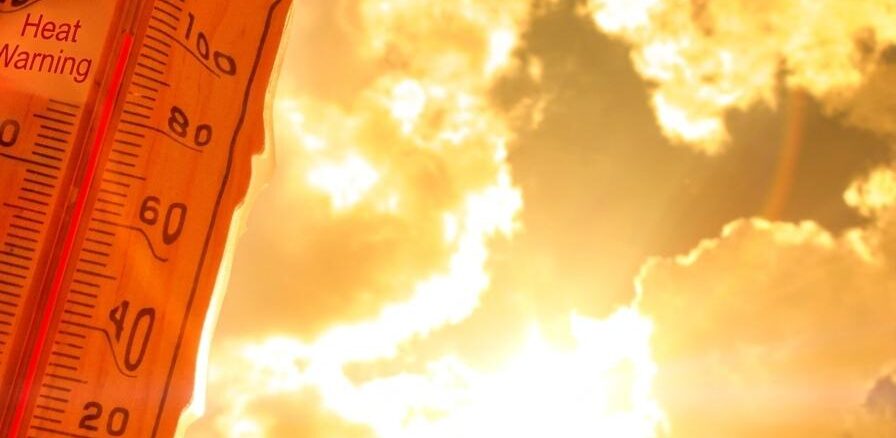

June 3: The World Meteorological Organization (WMO) has cautioned that the El Niño climate pattern can significantly increase the likelihood of extreme weather events across the globe, including heatwaves, droughts, heavy rainfall, and severe storms.
El Niño is a naturally occurring climate phenomenon marked by the warming of sea surface temperatures in the central and eastern Pacific Ocean. This disruption influences global weather systems and often leads to unusually intense or irregular climate conditions in different parts of the world.
According to the WMO, the impacts of El Niño vary by region but are frequently associated with reduced rainfall in some areas and excessive precipitation in others. These shifts can affect agriculture, water availability, food security, and disaster preparedness planning.
The agency stressed the importance of strengthening early warning systems and climate monitoring to better anticipate and respond to such events. It also highlighted the need for countries to enhance preparedness and resilience measures at both national and community levels.
Experts note that regions dependent on seasonal rainfall patterns are particularly vulnerable, as El Niño can disrupt normal weather cycles and increase uncertainty for farmers and planners. Timely forecasts and coordinated response strategies are therefore crucial to reducing potential damage.
The WMO further pointed out that climate variability, combined with long-term climate change, is contributing to more frequent and severe weather extremes worldwide, making adaptation and preparedness increasingly important.
Meteorological agencies are urging governments and communities to stay alert to evolving climate signals and to use improved forecasting tools to guide decision-making and risk reduction efforts.
The WMO reiterated that stronger climate services, preparedness planning, and public awareness can help reduce the human and economic impact of extreme weather linked to El Niño conditions.