
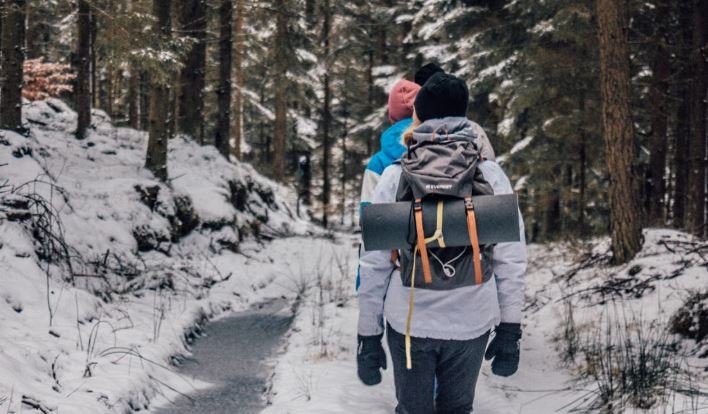
Winter adventure tourism is emerging as an exciting segment of the global travel industry. Snow-covered mountains, skiing slopes, frozen lakes and mountain resorts are attracting travellers looking for experiences beyond conventional holidays. As interest in adventure travel grows, destinations are finding new ways to attract visitors, improve services and generate revenue.
Technology is playing an increasingly important role in this transformation. Artificial intelligence, online booking platforms, GPS-enabled safety systems, smart equipment and digital marketing are changing how travellers discover destinations and how tourism businesses operate.
For India, this development presents considerable potential. Destinations such as Gulmarg, Auli, Manali, Sonamarg and Solang Valley offer opportunities to develop a stronger winter tourism ecosystem. With the right infrastructure, investment and technology, these destinations can become more competitive while creating new business opportunities for local entrepreneurs.
Technology Is Changing the Winter Travel Experience
Planning a winter holiday often involves several decisions, including choosing a destination, checking snowfall conditions, arranging transportation, booking accommodation and selecting adventure activities.
AI-powered travel platforms are making this process more convenient by helping travellers compare destinations, discover suitable experiences and organise personalised itineraries.
For example, visitors planning a holiday in Gulmarg can explore accommodation, skiing lessons, equipment rentals and local transportation through digital platforms. Tourism companies can use customer preferences to recommend packages suited to families, beginners and experienced adventure enthusiasts.
This creates opportunities for travel startups and online travel agencies to develop integrated booking services. Businesses can generate revenue through commissions, premium listings and customised travel packages.
Smart Ski Resorts and Adventure Infrastructure
Modern ski resorts increasingly depend on technology to manage their operations. Sensors can monitor snow conditions, temperature and wind speed, helping operators make informed decisions about slope maintenance and visitor safety.
Digital management systems can also improve ski lift operations, equipment maintenance, ticketing and customer management.
For investors, this creates opportunities in smart tourism infrastructure, resort management software and environmental monitoring solutions.
India’s winter destinations could benefit from adopting affordable versions of these technologies, particularly as adventure tourism infrastructure expands.
Digital Platforms Are Supporting Local Businesses
One of the biggest opportunities lies in connecting different tourism services through a single digital ecosystem.
Travellers often book hotels, transport, adventure activities and equipment rentals separately. Integrated booking platforms can bring these services together, making travel planning easier.
Local hotels, homestays, guides, restaurants and equipment rental businesses can also reach customers beyond their immediate markets.
For small entrepreneurs, digital platforms offer an opportunity to compete with larger tourism operators without investing heavily in independent marketing infrastructure.
Safety Technology Is Building Traveller Confidence
Safety remains essential in winter adventure tourism. Snow-covered mountain environments can involve extreme weather, poor visibility and difficult terrain.
GPS tracking devices, emergency communication systems, wearable technology and digital mapping tools can help adventure operators monitor participants and coordinate assistance.
Businesses can explore opportunities in specialised safety equipment, adventure training and professionally managed guided experiences.
For tourism companies, investing in trained instructors, appropriate equipment and emergency preparedness can also strengthen customer confidence and improve their market reputation.
New Revenue Opportunities Across the Tourism Industry
The growth of winter adventure tourism benefits more than hotels and travel agencies. It creates opportunities across hospitality, transportation, retail, food services and adventure equipment.
Businesses can develop specialised winter clothing stores, ski equipment rental services, mountain transportation packages and adventure photography experiences.
Hotels can introduce premium winter packages, while restaurants can promote regional cuisine and local food experiences.
Travel companies can also offer snow trekking, skiing, snowboarding and guided mountain excursions.
These services create multiple revenue opportunities around a single tourist visit, increasing the economic value of each traveller.
Sustainability Will Shape Future Growth
Climate change and unpredictable snowfall remain important challenges for winter tourism businesses. Destinations that depend entirely on snow-based activities may face operational difficulties when snowfall is inadequate.
Weather monitoring, climate data and digital forecasting can help businesses plan activities more effectively. However, technology alone cannot eliminate climate-related risks.
Diversifying tourism offerings will be equally important. Mountain trekking, wellness retreats, cultural experiences, nature tourism and local food activities can help destinations attract visitors beyond the winter season.
For investors and tourism developers, environmentally responsible planning, waste management and efficient resource utilisation must remain central to long-term business strategies.
Conclusion
Winter adventure tourism is evolving into a technology-driven business ecosystem with opportunities across travel, hospitality, adventure sports and digital services. For India, destinations such as Gulmarg, Auli and Manali have the potential to benefit from this transformation.
The next phase of growth will depend on combining technology with quality infrastructure, professional services and sustainable tourism practices. Businesses that successfully connect travellers with authentic mountain experiences while improving convenience and safety can build valuable opportunities in this emerging market.
The future of winter tourism will not depend on snowfall alone, but on how effectively destinations use technology and innovation to turn natural attractions into sustainable travel and business experiences.
