
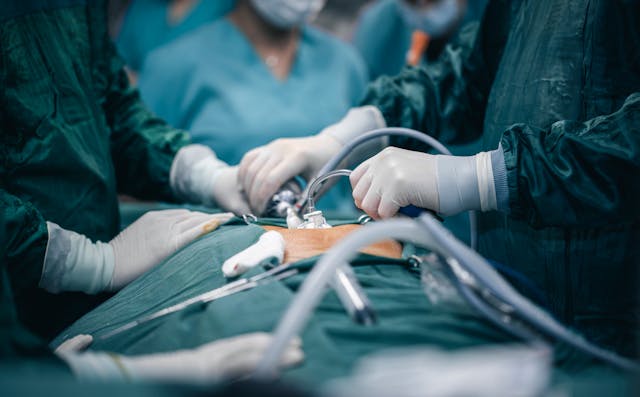

New Delhi: In a landmark achievement, AIIMS Delhi has successfully performed over 1,000 robotic surgeries in the last 13 months, marking a new era in India’s medical landscape. This milestone reflects the rapid adoption of cutting-edge technology in healthcare and demonstrates how robotics is transforming surgical practices, patient outcomes, and hospital efficiency.
What Are Robotic Surgeries?
Robotic surgeries, also called robot-assisted surgeries, involve the use of advanced robotic systems that aid surgeons in performing complex procedures with high precision, control, and minimal invasiveness. These systems consist of robotic arms equipped with surgical instruments, controlled by a surgeon via a console. Enhanced 3D visualization, magnification, and tremor-free movements allow surgeons to perform delicate operations with greater accuracy than conventional surgery.
Unlike traditional open surgeries, robotic procedures require smaller incisions, reducing trauma to the body. They are widely used in specialties such as urology, gynecology, cardiothoracic surgery, oncology, and general surgery, offering patients faster recovery, less pain, and fewer complications.
AIIMS Delhi Leads the Way
The achievement at AIIMS Delhi underscores the growing trust and success of robotic surgeries in India. Over the past 13 months, the hospital has performed over 1,000 surgeries, covering a range of complex procedures. The results have been highly encouraging:
-
Faster Recovery: Patients experience shorter hospital stays and quicker return to daily activities.
-
Reduced Complications: Smaller incisions and precision movements lower the risk of infection and blood loss.
-
Minimized Scarring: Less invasive surgery leaves minimal surgical scars, improving cosmetic outcomes.
-
Enhanced Surgical Accuracy: Robotic assistance allows surgeons to reach challenging areas with better control.
These outcomes are not only benefiting patients but also enhancing surgeons’ efficiency and comfort, as robotic systems reduce physical strain during long procedures.
The Impact of Robotic Surgeries on Healthcare
Robotic surgery is more than a technological advancement—it is redefining patient care in India:
-
Improved Patient Safety: High precision reduces errors and complications, particularly in complex operations.
-
Expanded Access to Advanced Procedures: Hospitals can offer procedures previously considered highly complex or risky.
-
Economic and Social Benefits: Shorter hospital stays and faster recovery reduce healthcare costs and improve workforce productivity.
-
Skill Development: Surgeons trained in robotic techniques acquire specialized skills, strengthening India’s healthcare expertise.
The success of AIIMS Delhi is encouraging other hospitals across India to adopt robotic surgery, making advanced, minimally invasive procedures more accessible to a wider population.
Challenges and the Path Forward
While robotic surgeries hold enormous promise, challenges remain. The high cost of robotic systems, ongoing maintenance, and the need for specialized training limit widespread adoption. However, as technology becomes more affordable and training programs expand, robotic surgery is expected to become a standard feature in major hospitals and healthcare centers across the country.
Looking ahead, the integration of artificial intelligence and machine learning into robotic systems may further enhance precision, decision-making, and patient outcomes, solidifying robotics as a cornerstone of modern healthcare.
Conclusion
AIIMS Delhi’s milestone of 1,000 successful robotic surgeries represents a significant leap toward modern, high-quality healthcare in India. Robotic surgeries offer patients safer, faster, and less invasive procedures while empowering surgeons with advanced tools for precision and control.
As robotic technologies continue to evolve, they are poised to transform India’s healthcare landscape, making world-class surgical care accessible, efficient, and patient-centric. The era of robotics in medicine is not just a technological advancement—it is a human-centered revolution in healthcare.