

Designing for the elite moves far beyond visual appeal. It is a nuanced discipline where craftsmanship, psychology, and status converge to create spaces and experiences that are deeply personal, emotionally resonant, and symbolically powerful. At this level, design is not decoration—it is identity made tangible.
Elite design caters to a discerning audience that values individuality, discretion, and permanence. Every element is intentional, every material meaningful, and every space curated to function as both a private sanctuary and a public statement of refinement.
Craftsmanship as Cultural Legacy
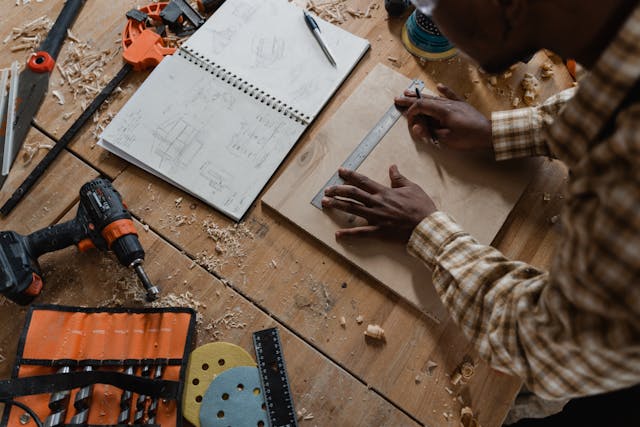
At the heart of elite design lies an unwavering commitment to craftsmanship. Unlike mass-produced environments, elite spaces are shaped by handcrafted precision, artisanal techniques, and bespoke processes refined over generations.
Materials are chosen not for trend value but for character and longevity—solid hardwoods that age gracefully, rare marbles with unique veining, hand-forged metals, and meticulously stitched fabrics. These elements give a space its “soul,” transforming it from a functional setting into a living testament of heritage and permanence.
True craftsmanship in elite design is an investment in time. It reflects patience, mastery, and respect for materials—qualities that resonate deeply with those who view luxury as something to be preserved, not consumed.
The Psychology of Elite Spaces
Elite design is as much about how a space feels as how it looks. These environments are carefully engineered to influence mood, clarity, and emotional well-being.
Psychological principles such as the halo effect suggest that high-quality surroundings enhance confidence, focus, and productivity. Natural light, refined acoustics, balanced proportions, and thoughtful circulation create a sense of calm control—an essential requirement for high-performance lifestyles.
Biophilic design plays a key role, introducing nature through light, greenery, organic textures, and natural materials. The result is a restorative atmosphere that supports mental clarity and emotional balance while offering refuge from external pressures.
Power, Status, and the Language of Exclusivity
Design for the elite communicates power subtly. Rather than overt displays of wealth, it relies on restraint, precision, and depth.
Quiet Luxury
Modern elite design increasingly embraces understated elegance—where quality is recognised, not announced. Logos recede, craftsmanship takes centre stage, and excellence reveals itself through proportion, finish, and material integrity.
Personalization Without Replication
Customization is non-negotiable. Every detail—from spatial layout to material selection—is tailored to the individual’s lifestyle, values, and rituals. The result is a space that cannot be replicated, reinforcing exclusivity through uniqueness rather than excess.
Scarcity as Status
Rarity enhances value. Limited-edition pieces, one-of-a-kind artworks, and bespoke installations create an environment that feels curated rather than purchased, reinforcing the owner’s distinct identity and social position.
A Multisensory Experience
Elite design is meant to be experienced with all senses. Soft leathers, hand-woven textiles, velvet finishes, and silk accents create tactile comfort. Carefully calibrated lighting, subtle fragrances, and controlled acoustics contribute to an atmosphere of security and ease.
These environments are not meant to impress at first glance—they are designed to reveal themselves gradually, rewarding attention and presence.
The Architecture of Luxury Values
Successful elite design aligns with fundamental luxury principles often described as the “8P’s”:
-
Performance: Flawless functionality and user experience
-
Pedigree: Heritage and cultural depth
-
Paucity: Scarcity and limited access
-
Persona: A distinct and recognizable identity
-
Prestige: Established credibility and trust
-
Price: Premium positioning that reinforces value
When harmonised, these principles transform spaces into enduring symbols of refinement and authority.
Design as Storytelling
Every elite space tells a story—of origin, intention, and legacy. Materials carry history, bespoke elements reflect personal journeys, and craftsmanship connects the present to the past. This narrative depth adds emotional meaning, turning design into memory and experience rather than mere form.
Conclusion: Beyond Luxury, Toward Legacy
Designing for the elite is ultimately about creating legacy environments—spaces that offer privacy, power, comfort, and identity in equal measure. It demands mastery, empathy, and foresight, blending art with psychology and craftsmanship with cultural intelligence.
When executed with integrity, elite design transcends luxury. It becomes a quiet, enduring expression of who someone is—and what they choose to stand for.