
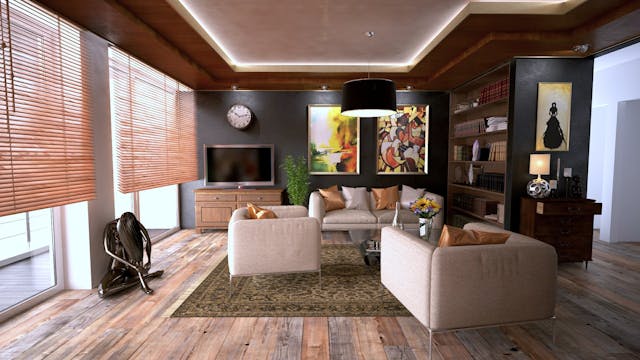

In 2026, smart home improvement is no longer about expensive renovations or complicated systems. Instead, homeowners and renters are focusing on upgrades that are affordable, easy to install, energy-efficient, and simple to maintain.
The goal is clear: make everyday living easier without adding financial stress or maintenance headaches.
Three major shifts define this year’s trend:
-
Technology that works locally, not just through the cloud
-
Devices built around the Matter compatibility standard, ensuring cross-brand connectivity
-
Smart features that blend seamlessly into home décor
Here’s a detailed look at the upgrades delivering the biggest results with the least effort.
1. Smarter Lighting Without Rewiring Your Home
Lighting continues to be one of the most cost-effective ways to upgrade a space—but in 2026, it’s smarter and more subtle.
Smart Switches Instead of Smart Bulbs
Rather than replacing every bulb, many households are installing smart relays or switches behind existing panels. This allows full app and voice control while keeping traditional fixtures intact.
Why it works:
-
Lower upfront cost
-
Cleaner aesthetic
-
Minimal maintenance
LED Strip Lighting for Instant Ambiance
Flexible LED strips are transforming kitchens, bedrooms, and living rooms. Installed under cabinets or along shelves, they add warmth and customizable lighting scenes.
They’re inexpensive, adhesive-backed, and easy to replace if needed.
Circadian Lighting
New lighting systems automatically shift from cool white in the morning to warmer tones at night, supporting natural sleep cycles and comfort.
Impact: Small investment, dramatic improvement in mood and atmosphere.
2. Affordable, AI-Enhanced Security
Security upgrades in 2026 are smarter, faster, and more private.
AI-Powered Indoor Cameras
Modern cameras now process motion detection locally. They can distinguish between pets and people without relying on expensive cloud subscriptions.
Benefits:
-
Better privacy
-
No recurring fees
-
Faster alerts
Smart Scene Buttons
Compact wireless buttons allow users to trigger preset actions such as:
-
“Goodnight” (turn off lights, adjust thermostat)
-
“Movie Time” (dim lights, lower blinds)
They are affordable, battery-powered, and simple to install.
Seamless Smart Locks
New locks unlock automatically as you approach, eliminating the need for keys while remaining discreet.
Impact: Increased safety with minimal complexity.
3. Energy Efficiency That Pays for Itself
With rising energy prices, homeowners are prioritizing upgrades that lower monthly bills.
Smart Plugs with Energy Monitoring
These plugs track electricity usage for appliances such as air conditioners or water heaters. Over time, this data helps households cut unnecessary consumption.
DIY Smart Thermostats
Programmable thermostats now detect when the home is empty and adjust temperatures automatically.
Advanced Presence Sensors
New mmWave sensors detect subtle movement—even when someone is sitting still—ensuring lights don’t switch off unexpectedly.
Impact: Reduced energy waste and noticeable savings.
4. Practical Comfort Upgrades
Not all high-impact improvements require advanced electronics.
Under-Sink Water Filters
Easy-to-install filtration systems improve water quality without professional plumbing.
High-Efficiency Showerheads
Modern designs reduce water usage while maintaining strong pressure and adjustable spray options.
Impact: Better comfort and sustainability with very little upkeep.
The Defining Trends of 2026
1. Local Processing
Devices now handle AI tasks internally, reducing lag and protecting user privacy.
2. Matter Compatibility
Consumers are choosing products that integrate across major ecosystems, preventing brand lock-in.
3. Hidden Technology
Minimalist homes are replacing bulky gadgets with sleek, invisible solutions.
Why These Upgrades Make Sense Now
These improvements are gaining popularity because they meet today’s core priorities:
-
Lower installation costs
-
DIY-friendly setup
-
Reduced maintenance
-
Immediate functional benefits
-
Long-term savings
Rather than investing in large-scale renovations, households are choosing targeted updates that improve comfort, efficiency, and security.
Final Thoughts
The smartest home upgrades of 2026 are not about complexity—they are about clarity and practicality.
Small changes—like installing a smart switch, upgrading to energy-monitoring plugs, or adding efficient lighting—can dramatically improve daily life. They reduce energy bills, simplify routines, and enhance comfort without overwhelming homeowners with maintenance.
In today’s homes, smart living means thoughtful choices. Low cost. Low effort. High impact.