
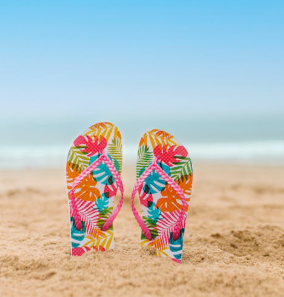

National Flip Flop Day is more than a lighthearted seasonal observance—it is a celebration of one of the world’s most recognisable and enduring footwear styles. Marked each year as an unofficial welcome to summer, the day highlights the cultural journey of flip flops from ancient utility wear to modern lifestyle symbol, blending fashion, comfort, commerce, and community in a uniquely simple idea: let your feet breathe.
Observed widely in the United States and echoed across social media globally, the day encourages people to step into summer mode—literally—by wearing flip flops, sharing their styles, and embracing relaxed, warm-weather living.
From Ancient Craft to Everyday Essential
The story of flip flops stretches back thousands of years. Archaeological evidence suggests that early versions of thong-style sandals existed in ancient Egypt around 4000 BC, crafted from natural materials such as papyrus and palm leaves. Similar designs also appeared in ancient Asia, including Japan’s traditional “zori”, which featured a flat sole and toe-strap structure remarkably close to today’s flip flops.
The modern evolution of flip flops gained momentum after World War II, when American exposure to Japanese sandals influenced the mass production of rubber versions in the mid-20th century. By the 1960s, the term “flip flop” had entered popular usage, describing the distinctive sound made while walking as well as the minimalist footwear itself.
Today, the design remains strikingly unchanged—a testament to the effectiveness of simplicity.
National Flip Flop Day: A Modern Cultural Celebration
National Flip Flop Day was established in 2007 by Tropical Smoothie Cafe as part of a promotional initiative tied to its anniversary and the arrival of summer. Over time, it evolved beyond marketing into a broader cultural moment that blends lifestyle celebration with charitable giving.
A key philanthropic association of the day is Camp Sunshine, a retreat in Maine that supports children with life-threatening illnesses and their families. Over the years, National Flip Flop Day campaigns have helped raise millions of dollars, turning a casual summer theme into a platform for meaningful social impact.
Originally observed in mid-June, the date has in recent years often been aligned with the Wednesday after Memorial Day, symbolically marking the unofficial start of summer in the United States.
Why Flip Flops Remain a Global Favourite
Flip flops are defined by their lightweight build, flat sole, and simple toe-post strap design. Their universal appeal lies in convenience—they are easy to wear, quick to remove, and ideal for warm climates.
But beyond practicality, flip flops have become a fashion and lifestyle statement. Today’s market includes a wide spectrum of styles, from basic rubber beach sandals to premium leather designs, embellished fashion pairs, eco-friendly materials, and customised seasonal collections.
Their adaptability has helped them transition from beachwear essentials to everyday casual footwear in many parts of the world.
Global Identity: More Than Just “Flip Flops”
Interestingly, flip flops are known by different names across cultures. In New Zealand, they are famously called “jandals,” a term derived from “Japanese sandals.” In other regions, they may simply be referred to as sandals or thongs.
Despite regional variations in naming, the cultural meaning remains consistent: freedom, informality, and comfort.
How the Day Is Celebrated Today
National Flip Flop Day is marked in a relaxed, social-media-driven style. Common celebrations include:
- Wearing flip flops as a seasonal style statement
- Posting summer-themed photos using hashtags like #NationalFlipFlopDay
- Visiting cafes and stores offering themed promotions or giveaways
- Enjoying spa treatments or pedicures to highlight summer aesthetics
- Spending time outdoors at beaches, parks, or pools
Some businesses use the occasion to offer incentives such as free beverages or discounts, turning the day into a blend of lifestyle marketing and community engagement.
Comfort Meets Controversy: Health Perspectives
Despite their popularity, flip flops are not without criticism from health experts. Due to minimal arch support and thin soles, prolonged use may alter walking patterns and place additional strain on feet, ankles, and lower legs.
Podiatric research suggests they may contribute to discomfort or aggravate conditions such as plantar fasciitis when worn for extended periods. As a result, specialists generally recommend them for short-term or leisure use rather than long-distance walking or physical activity.
Environmental Footprint and Sustainability Concerns
The global popularity of flip flops has also raised environmental concerns. Millions of pairs are produced annually, particularly inexpensive foam versions that often end up as marine litter.
In coastal regions across Asia and Africa, discarded flip flops are among the most commonly found plastic waste items. This has inspired innovative recycling initiatives, where recovered sandals are transformed into artwork, household goods, and community-based sustainability projects.
These efforts highlight an emerging conversation around responsible consumption in the fashion and footwear industry.
The Enduring Appeal of Simplicity
At its core, National Flip Flop Day celebrates more than footwear—it celebrates a lifestyle rooted in ease, warmth, and simplicity. From ancient civilizations to modern fashion runways, flip flops have remained remarkably consistent in form and universally loved in function.
As summer approaches each year, the humble sandal continues to symbolise relaxation and escape. National Flip Flop Day captures that sentiment perfectly: a reminder that sometimes, the simplest things carry the longest stories.